

Blog
How to Spot Ethical Labels on Running Gear

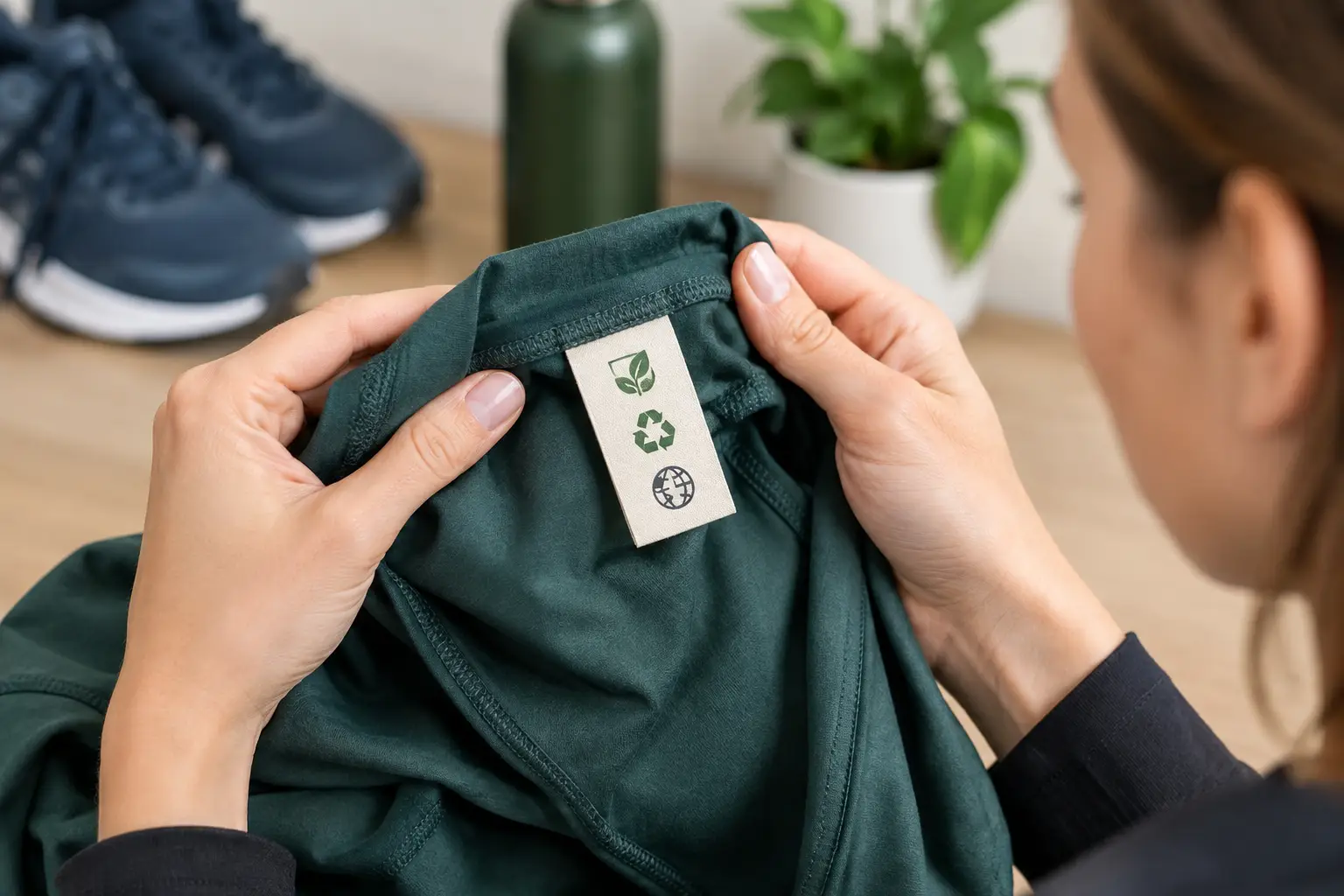
A running top can carry a recycled symbol, a planet-green swing tag and a promise to “do better” – then fall apart after one season. Learning how to spot ethical labels means looking beyond the colour, the logo and the feel-good wording. It helps you buy kit that is made to run hard, last longer and demand less from people and the planet.
For runners, this matters. We put our gear through rain, sweat, repeat washes, dark mornings and long training blocks. Disposable sportswear is not a bargain if it loses shape, rubs, fades or needs replacing before your next race goal. Ethical buying is not about chasing perfection. It is about making sharper choices and refusing vague claims from brands that have nothing meaningful to show.
How to spot ethical labels without falling for greenwash
Start by asking one simple question: what does this label actually certify? A credible label should explain its scope clearly. It may cover the fibre, the dyeing process, factory conditions, chemical safety, recycled content or a combination of these. A badge that says only “eco”, “conscious” or “kind to the planet” is a marketing claim, not proof.
The strongest brands make it easy to find the detail. They name the standard, identify the material composition and explain what the certification means in plain language. If you have to hunt through pages of polished campaign copy to find a single useful fact, treat that as a warning sign.
Ethics are rarely captured by one badge. A recycled polyester running tee may reduce demand for virgin plastic, for example, but that alone does not tell you how workers were treated or whether the garment was designed to last. Good decisions come from looking at the full picture rather than expecting one logo to carry the whole story.
Know what the common labels can – and cannot – tell you
Some labels are useful because they are independently verified. That independence matters: the brand is not simply marking its own homework.
A Global Organic Textile Standard, often called GOTS, is relevant when a product contains organic textile fibres. It has requirements around processing and chemicals, alongside social criteria in certified facilities. It does not mean every part of every garment is automatically impact-free, but it is far more meaningful than an unverified “natural” claim.
Fairtrade certification can point to stronger standards for workers and producers within a particular supply chain. Check whether it applies to the textile itself, a specific material or only a limited component. The distinction is not nit-picking. It is the difference between evidence and a broad impression.
OEKO-TEX STANDARD 100 is another label you may see on clothing. It tests textiles for harmful substances. That is valuable for something sitting against sweaty skin for kilometres at a time, yet it is not a complete ethical-production certification. Chemical safety and fair labour are both worth caring about, but they are different things.
You may also encounter bluesign-approved materials, which focus on managing chemical inputs and environmental impacts in textile production. Recycled-content standards can verify that claimed recycled material is genuinely present. A B Corp certification applies to a company’s wider social and environmental performance, rather than proving that every individual product is ethical.
None of these labels should be dismissed because they are limited. Their limits are exactly why clear brands state what each one covers.
Read the product page, not just the tag
A label is a starting point. The product page should fill in the gaps. Look for a precise fibre breakdown, such as recycled polyester, organic cotton, merino wool or a blend. “Made with recycled materials” is weaker than “contains 85% recycled polyester”, because it leaves you guessing about the actual amount.
Then look for substance behind the supply-chain claim. A responsible brand should be prepared to say where it manufactures, how it selects suppliers or what standards factories are expected to meet. Full traceability can be difficult, particularly for smaller businesses and complex technical fabrics. Honesty about what is known, what is being improved and what remains challenging is more credible than a flawless-sounding promise with no evidence.
Be especially cautious with phrases such as “sustainably sourced”, “earth positive” and “responsible collection” when they appear without supporting information. These phrases are not automatically false. They are simply too broad to help you compare one product with another.
A better claim is specific and measurable: the percentage of recycled fibre, the certification held, the country of manufacture, the steps taken to reduce packaging, or the repair and replacement support available. Specificity gives you something real to assess.
Durability is an ethical claim too
Fast fashion has trained shoppers to focus on the purchase price. Runners should also consider cost per wear. A £15 top that twists after a few washes is not necessarily more affordable than a better-made top worn for years of training.
Check whether the construction suits its purpose. For running clothing, that may mean flat or carefully placed seams, fabric that recovers after stretching, a fit that reduces chafing and clear washing instructions. For functional accessories, it means components that can cope with regular use, reliable visibility in low light and rechargeable options where appropriate.
Durability is not a glamorous label, but it is one of the clearest ways to cut waste. The most responsible wardrobe is not packed with “ethical” purchases. It is built from fewer pieces that earn their place on every run.
This is also where trade-offs matter. A lightweight technical fabric may contain synthetics because it needs to wick sweat, dry quickly and hold up over repeated use. That does not make it a poor choice. The better question is whether the synthetic content is necessary, thoughtfully sourced where possible and built into a garment you will genuinely keep wearing.
Watch for the signs of a weak claim
Greenwashing often relies on distraction. A brand may spotlight one recycled detail while saying nothing about the rest of the product. It may launch a small “eco” range while producing large volumes of throwaway styles. Or it may use woodland imagery and soft language instead of evidence.
Pause when you see four patterns together:
- Big environmental promises with no named standard or supporting detail.
- A recycled claim with no percentage of recycled content.
- “Ethical” language with no information on factories, workers or sourcing.
- Constant new drops, deep discounts and design churn that encourage overbuying.
One of these signs does not automatically prove bad practice. A newer brand may still be gathering data, and some suppliers cannot disclose every commercial detail. But a business serious about improvement will communicate with care, avoid inflated language and show progress over time.
Make better running-kit decisions
You do not need to become a supply-chain investigator before replacing a worn-out pair of tights or buying a light for winter miles. Use a practical standard: choose the product that has clear information, credible evidence and a realistic chance of becoming a long-term part of your kit bag.
Buy for the runs you actually do. If you run before sunrise, a dependable rechargeable chest light or reflective straps may deliver more value than another logo-heavy top. If chafing ruins longer sessions, choose gear designed for comfort and keep using it. The most sustainable purchase is often the one that solves a real problem and stops you buying two poorer alternatives.
At 4R, based in Newry, we believe runners should not have to choose between practical performance, fair value and a lower-waste approach. That means favouring functional gear with a purpose over fashion built for a fleeting trend.
Before adding anything to your basket, give the claim one final test: can the brand explain it clearly, and can you imagine using the product for hundreds of miles? If the answer is yes, you are not just buying a label. You are backing better habits, one run at a time.