

Blog
How to Clean Reflective Vests Without Ruining Them

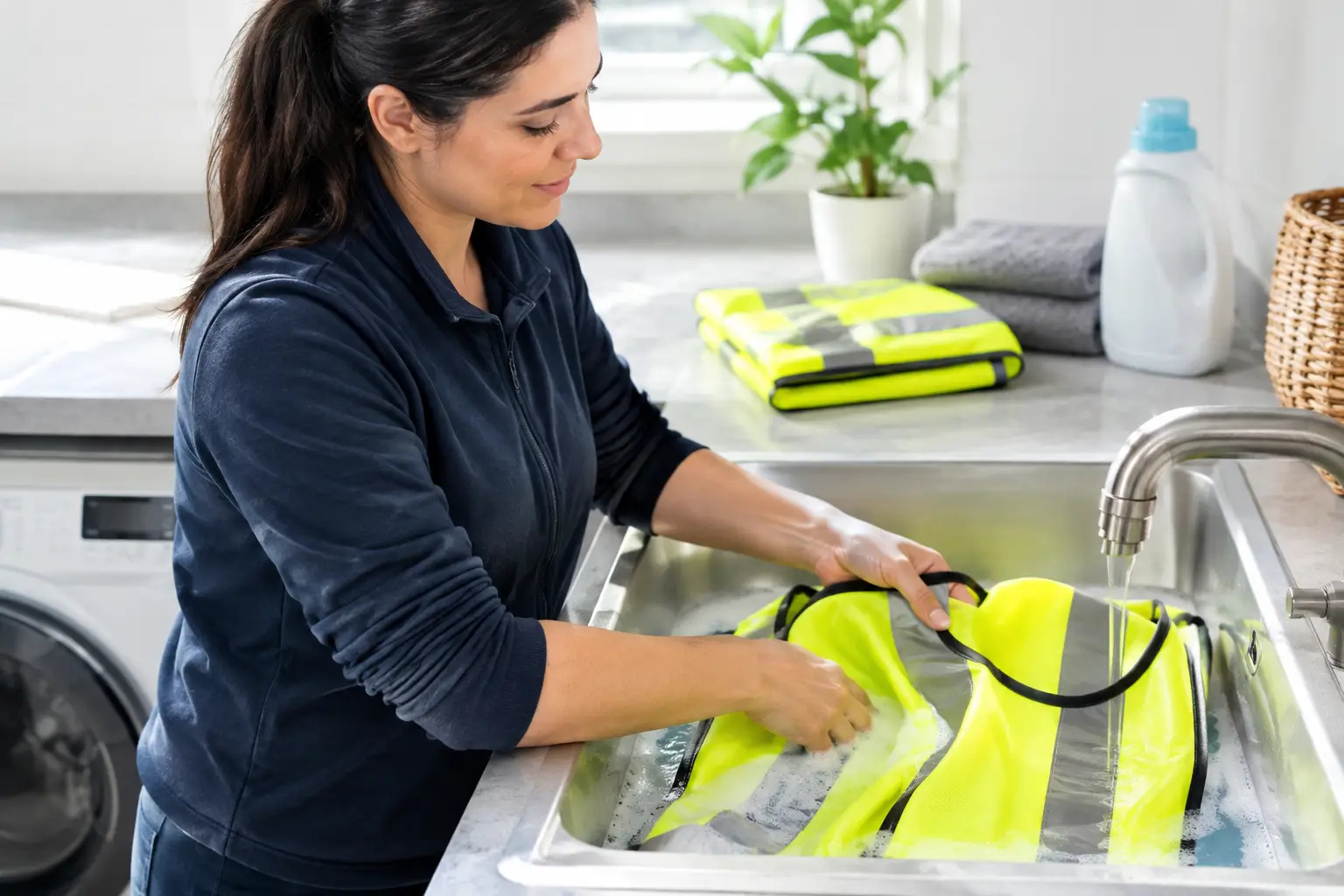
A reflective vest that is coated in dried sweat, mud and road spray is not just unpleasant to wear. It can also look duller when car headlights hit it. Learning how to clean reflective vests properly helps protect the materials that make you visible, while keeping a hard-working piece of running kit in use for longer.
That matters. Good running gear should earn its place in your drawer through hundreds of miles, not be treated as disposable after a few grim winter sessions. A little care is cheaper than replacement, better for the planet and one less barrier between you and your next run.
Check the care label before you wash
The care label is the rulebook for your specific vest. Reflective running gear comes in several forms: lightweight hi-vis fabric vests, adjustable reflective strap vests, and vests with built-in LED components. They cannot all be washed in exactly the same way.
If the label says hand wash only, follow it. If it permits a machine wash, the safest choice is usually a cool, gentle cycle. Never assume that a high-vis garment can cope with the same treatment as a cotton T-shirt. Heat, harsh detergent and rough washing can damage reflective print, adhesives, coatings, buckles and elastic long before the garment looks worn out.
For LED or rechargeable reflective gear, remove any detachable light units or battery packs before cleaning. If electronics are fixed into the vest, use the manufacturer’s instructions rather than putting it in the washing machine. Water-resistant does not automatically mean machine-wash safe.
How to clean reflective vests after a run
You do not need a full wash after every easy run. If your vest is only lightly sweaty, hang it somewhere airy as soon as you get home. Do not leave it bundled in a kit bag or damp heap on the floor. Letting sweat dry into synthetic fabric creates odour and can make repeated washing necessary.
When it is time for a proper clean, start by shaking off loose grit and mud. If there is a splash of mud on the fabric, let it dry first, then brush it away gently. Rubbing wet mud deeper into the fibres only makes the job harder.
For most washable reflective vests, turn the garment inside out if possible, fasten zips and close Velcro or hook-and-loop tabs. This reduces friction against the reflective surface and stops straps catching on other laundry. Place it in a mesh laundry bag if you have one, especially if it has thin straps, clips or elastic sections.
Wash it on a cool, delicate setting with a small amount of mild liquid detergent. A temperature of 30°C or lower is generally the sensible choice unless the label states otherwise. Wash reflective items with similarly lightweight sportswear, not with jeans, towels or anything abrasive. Heavy fabrics create rubbing that can scuff reflective detailing and pull at delicate fastenings.
Hand washing is an excellent option for adjustable strap vests and any item you want to preserve for as long as possible. Fill a basin with cool or lukewarm water, add a little mild detergent, and gently move the vest through the water. Leave it to soak for around 10 minutes if sweat or grime has built up, then rinse thoroughly until the water runs clear. Avoid wringing it hard. Instead, press out excess water with your hands or roll the vest in a clean towel.
Treat stains gently, not aggressively
Sunscreen, anti-chafe balm, energy gel and roadside grime can leave marks, particularly on pale fluorescent fabric. Deal with them before washing, but skip the temptation to scrub hard.
Apply a small amount of mild detergent to the affected area and work it in gently with your fingertips or a soft cloth. Give it a few minutes, then wash as normal. Test any stain treatment on an inconspicuous patch first, particularly on printed logos and reflective strips.
For stubborn odour, soaking the vest briefly in cool water with a sportswear-safe wash product can help. The goal is to lift body oils from technical fibres, not mask them with a heavy fragrance. If a smell remains after washing, it is often a sign that too much detergent was used or the item was not fully dried.
What not to use on reflective running gear
The products and shortcuts you avoid are just as important as the wash itself. Do not use fabric conditioner. It can leave a coating on performance fabrics, trap odours and reduce the moisture-wicking feel that makes running kit comfortable.
Bleach is also a poor choice, even if a vest is white or fluorescent. It can weaken fibres, alter bright colours and degrade the reflective finish. Avoid strong stain removers, solvent-based cleaners and abrasive brushes for the same reason.
Keep reflective vests away from high heat. That means no hot wash, no radiator drying and no tumble dryer unless the care label explicitly permits it. Reflective transfers and heat-applied details may crack, peel or lose their bond when exposed to repeated heat. A vest can still look fine in daylight while becoming less effective under headlights, which defeats the point.
Ironing is rarely necessary and usually risky. If creases are bothering you, hang the vest after washing and let gravity do the work. Never iron directly over reflective panels, printed sections or elastic straps.
Dry it properly to protect visibility
After washing, reshape the vest and hang it to air dry in a well-ventilated space. Keep it out of direct, intense sunlight where practical. A little daylight will not destroy it, but long periods of strong UV exposure can fade fluorescent fabrics and age elastic over time.
Make sure the vest is completely dry before folding it away. Damp synthetic kit is an easy home for mildew and stale odours. It is also worth storing it flat or loosely hung rather than tightly compressed under heavier clothing. Reflective prints and striping last better when they are not constantly creased or rubbed.
If you run before work or head out after dark, build a simple habit: hang your vest, lights and head torch together after each session. You will spot low batteries, muddy straps and anything needing a wash before the next run, rather than discovering it at the door.
Keep reflective straps and buckles working
Reflective strap vests need a little extra attention because their usefulness depends on fit as much as cleanliness. Check adjustable buckles after washing to make sure detergent residue has not collected in the moving parts. Rinse them under clean water if they feel stiff, then allow them to dry fully.
Inspect elastic sections for fraying, loss of stretch or twisted webbing. A strap vest that slides around while you run can become distracting, chafe your shoulders and sit in the wrong position for approaching drivers. Adjust it over the layers you actually wear in colder weather, not only over a thin top indoors.
Reflective gear is a visibility aid, not a guarantee that someone has seen you. On unlit lanes, wet roads or busy urban routes, combine it with sensible route choices, a front light, a rear light and alert running. The brighter and cleaner your kit, the better your chances of being noticed early.
When is it time to replace a reflective vest?
A well-made vest should not need replacing because it has picked up a few marks. Repair or continue using it if the issue is cosmetic and the fit, fastenings and reflective elements remain sound. This is the practical alternative to the fast-fashion habit of replacing functional kit at the first sign of use.
Replacement is sensible when reflective strips are peeling extensively, the fabric has become badly faded, elastic no longer holds its adjustment, or clips and zips are unreliable. Check the vest in a dark room with a torch or in vehicle headlights from a safe distance. If the reflective areas no longer return a clear, bright shine, it is time to retire it from low-light runs.
At 4R, we believe dependable gear should support your running for the long haul, not create more waste after one season. Clean it with care, dry it patiently and inspect it honestly. Your reflective vest has one straightforward job: help you be seen while you get out there and move.