

Blog
How to Build a Durable Running Wardrobe

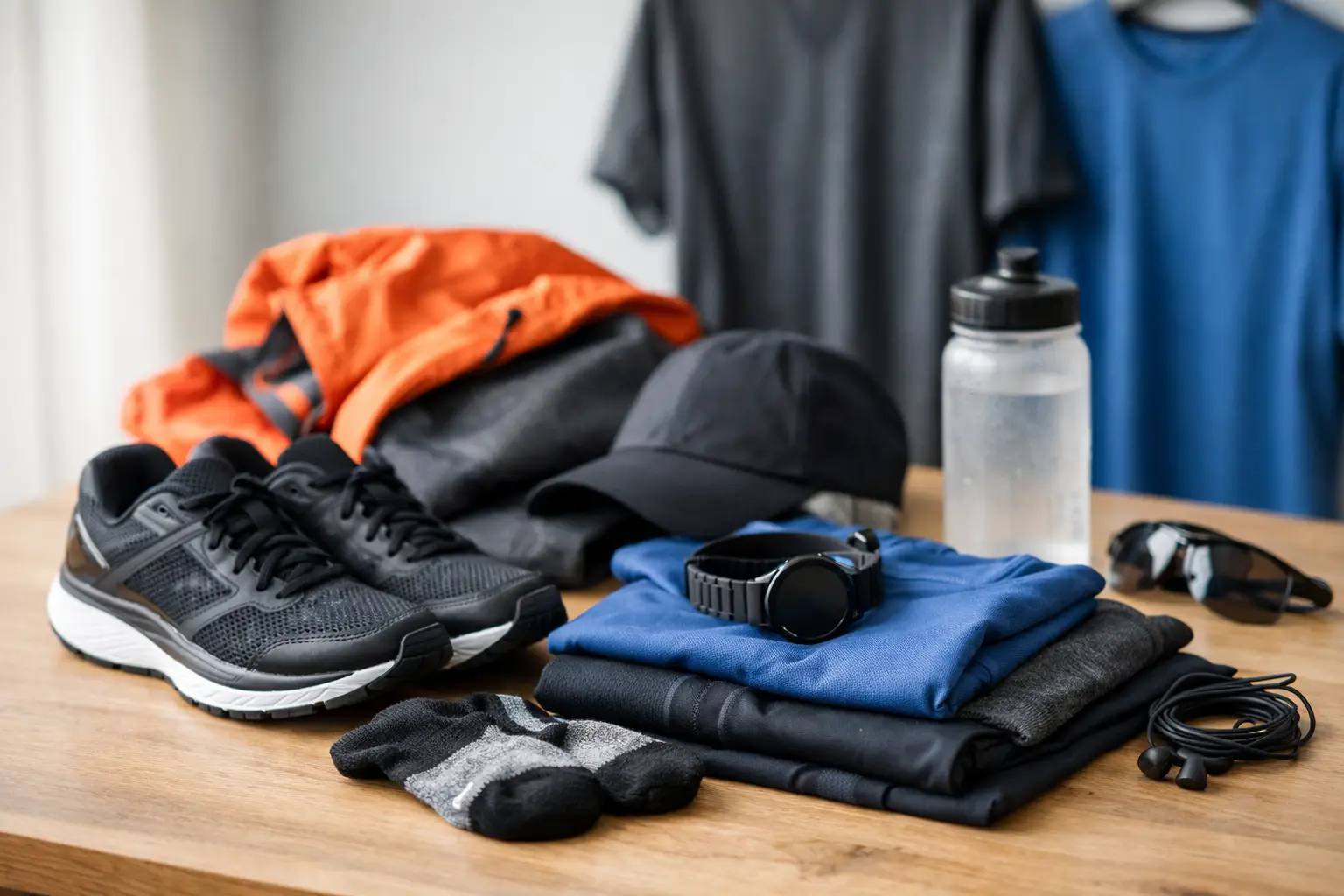
That drawer full of faded race tees, sagging shorts and tights that turned see-through after one winter is not a running wardrobe. It is a reminder that buying cheap twice costs more than buying well once. If you want to know how to build durable running wardrobe essentials that actually earn their place, start by thinking less about quantity and more about repeat use, comfort and longevity.
A durable running wardrobe is not about owning loads of kit. It is about having the right pieces on rotation, in the right fabrics and fit, so you can run through changing weather, weekly washes and high mileage without replacing half your gear every season. That is better for your bank balance, better for your training and far better than feeding the fast-fashion cycle.
How to build a durable running wardrobe from the ground up
Start with your real running life, not an ideal version of it. If you run three times a week in the early morning, your needs are different from someone training for a marathon with five laundry-heavy sessions or someone who mainly runs after work in low light. Durability begins with honesty. Buy for the conditions you actually face and the miles you actually run.
For most runners, the foundation is simple. You need a small core of reliable tops, bottoms, underwear and socks, then a few problem-solving extras for rain, darkness, cold and chafing. The mistake is usually overbuying statement pieces and underbuying the boring workhorses. The workhorses matter most because they get washed most often and take the biggest beating.
Think in terms of a compact system. Two or three technical tops, two pairs of shorts, one pair of full-length tights or leggings for colder months, enough running socks to avoid emergency washing, and one outer layer that genuinely blocks wind or light rain will cover a surprising amount. If you run often, increase rotation slightly. If you run less, resist the urge to stockpile.
Choose fabrics that can handle miles and washing
The fastest way to waste money is to buy kit that feels nice on day one but loses shape after ten washes. Durable running clothing needs fabric with recovery, breathability and abrasion resistance. That usually means technical recycled fibres or carefully blended performance fabrics rather than standard cotton.
Cotton has its place off the run, but for most runners it holds moisture, gets heavy and can rub once sweat builds. Technical fabrics are better because they move moisture away from the skin and tend to dry faster. That matters for comfort, but it also matters for lifespan. A fabric that stays wet and overloaded with sweat for long periods often starts smelling worse and breaking down sooner.
Look closely at fabric weight as well. Ultra-light kit can feel brilliant in hot weather, but it is not always the toughest option if you are using it several times a week, carrying a vest over it or washing it constantly. Slightly more substantial fabric often lasts longer, especially in shorts and tights where seams and stretch panels work hard.
A good rule is this: choose the lightest fabric that still feels stable, opaque and resilient. If you can see immediately that a legging or short is flimsy, trust that instinct.
Pay attention to stitching and stress points
Durability is often decided at the seams. Flatlock seams can help reduce rubbing, but quality matters more than terminology. Check high-stress zones such as the inner thigh, waistband, underarm and pocket edges. Loose threads, bunched stitching and thin elastic are early warning signs.
Waistbands deserve special attention. A strong waistband keeps shorts and tights usable long after cheaper pairs start slipping or twisting. If the waistband fails, the garment is effectively done, even if the rest of the fabric still looks acceptable.
Fit is not just comfort – it is lifespan
Bad fit destroys kit. Shorts that ride up create extra friction. Tops that are too loose can snag. Leggings that are too tight put constant pressure on seams and fabric recovery. Durable gear should sit securely without fighting your movement.
This is where many runners compromise. They keep wearing pieces that almost fit because the colour is good or the price was decent. But if you are adjusting something throughout a run, that item is not doing its job. The more friction and strain in motion, the faster wear shows up.
Aim for pieces you forget about once you start moving. That is the sweet spot. No pulling, no tugging, no waistband drama, no underarm rub.
Build around versatility, not trends
If you are serious about learning how to build durable running wardrobe pieces that last, stop chasing trend-led kit. Trend colours, novelty cuts and highly specific seasonal items often end up worn less, which means they clutter your drawer rather than strengthen your rotation.
Versatile kit wins. A breathable tee that works for easy runs, gym sessions and travel gets far more use than a niche top you only wear twice a month. A pair of shorts with secure storage and reliable fit can cover everything from recovery miles to long runs. A lightweight layer that works in wind, drizzle and cool starts offers better value than a bulky jacket that only suits one exact forecast.
Cross-functional products reduce waste because they reduce duplication. That is a smarter wardrobe and a more sustainable one.
Accessories should solve real problems
A durable wardrobe is not only clothing. Reliable accessories often extend how useful your core kit becomes. If you run in winter or on dark mornings, visibility gear matters. Reflective straps, a dependable chest light or a rechargeable headlight can turn standard running clothing into a safe low-light setup.
The same goes for anti-chafe products and practical laces. These are not flashy purchases, but they help you keep using the shoes and clothing you already own more comfortably and consistently. Good kit should work harder, not sit around waiting for perfect conditions.
Buy fewer pieces, but buy with a plan
One of the biggest fast-fashion habits runners carry into sportswear is impulse buying. A sale appears, a social advert promises performance gains, and suddenly another top arrives through the post. Multiply that across a year and you end up with too much average kit and not enough great kit.
A better approach is to buy in stages. Start with what you wear most. Replace the weakest item in your current rotation first, not the oldest item. Sometimes the oldest piece is still the most reliable. The one that really needs replacing is the pair of shorts you avoid because they chafe after 5K.
Then fill the obvious gaps. Maybe you have enough warm-weather kit but nothing suitable for dark winter runs. Maybe your tops are fine, but your socks wear out quickly and ruin otherwise good sessions. Build practically. Let your training expose the need before you spend.
For everyday runners, affordability matters, and it should. Paying more does not always mean getting more durability. The sweet spot is dependable, ethically made kit at a fair price – the kind of approach brands like 4R back because performance should not require waste or luxury mark-ups.
Care for your kit like it is meant to last
Even the best gear will wear out early if you wash it badly. Durability is partly about what you buy and partly about what you do next. Running kit does not need punishing hot washes or heavy fabric conditioner. In fact, both can shorten its life.
Wash technical clothing cool, keep it away from harsh softeners and let it air dry where possible. Heat can damage stretch fibres and shorten fabric recovery. Turn garments inside out if they pick up body oils, sunscreen or mud. And do not leave sweaty kit bundled in a bag for two days after a run if you can help it. That is how odour lingers and fabrics suffer.
You do not need to be precious. You just need to be sensible. The aim is to get more miles from every piece.
Know when repair beats replacement
Not every issue means a garment is finished. A loose hem, tired drawcord or minor seam problem can often be fixed. If the core fabric still performs well, repair is usually the better call. If the material has thinned, lost compression or become consistently uncomfortable, then replacement makes sense.
That balance matters. Keeping poor kit for the sake of it is not sustainable if it stops you running comfortably. But replacing fixable gear too quickly is wasteful in a different way.
What a durable running wardrobe really looks like
For most people, it looks smaller than expected. It is a tight rotation of dependable pieces you trust in different conditions. It is clothing you would happily wear again tomorrow because it still fits, still performs and still feels right after repeated use.
It also reflects your values. Choosing durable running kit is not only a performance decision. It is a quiet rejection of disposable sportswear and the idea that runners should keep buying more to stay motivated. You do not need more clutter. You need gear that shows up, run after run.
Build your wardrobe like you build fitness – steadily, deliberately and with enough discipline to ignore shortcuts that do not last.