

Blog
Ethical Sportswear Buying Guide for Runners

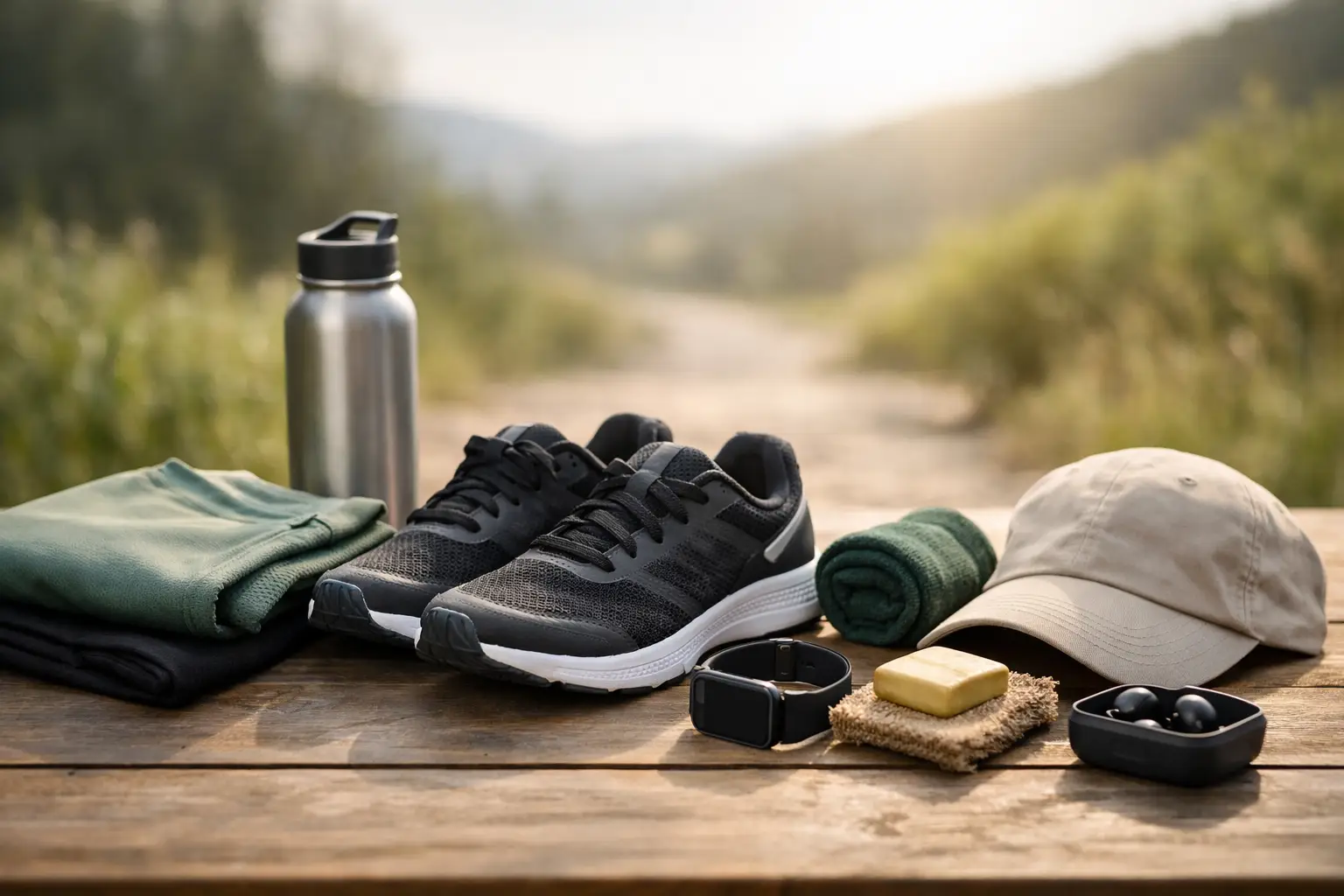
That cheap running top stops feeling like a bargain when it rides up at mile three, traps sweat, and starts falling apart after a few washes. A proper ethical sportswear buying guide should do more than point at green claims. It should help you buy kit that works hard, lasts well, and does not ask you to ignore how it was made.
For runners, that matters. You need gear you can trust in the rain, in the dark, on early starts, and on tired legs. Ethical buying is not about building a perfect wardrobe overnight. It is about making sharper choices, avoiding throwaway kit, and backing products that respect both the person wearing them and the people who made them.
What ethical sportswear really means
Ethical sportswear is not one single claim. It sits at the point where fair production, durable design, lower-impact materials, and real-world performance meet. If a brand talks about recycled fabric but says nothing about factory conditions, that is only part of the picture. If it talks about ethics but sells flimsy gear built to be replaced in a season, that misses the mark too.
For runners, ethics and performance should not be at war with each other. Good kit should reduce waste by staying useful for longer. That means fabric that holds shape, seams that do not give up after a few hard washes, and accessories that solve a problem instead of creating another one.
It also means being honest about trade-offs. Recycled polyester can reduce reliance on virgin materials, but it is still synthetic. Natural fibres can feel great, but they do not always deliver the same sweat management or weather resistance as technical blends. The best choice depends on what you actually need the item to do.
Start with your running life, not a trend
The fastest way to waste money is to shop for an ideal version of yourself instead of the runner you are right now. If you run three times a week before work, your priorities are probably comfort, visibility, easy layering, and gear that washes well. If you are training for longer distances, anti-chafe performance and fabric reliability will matter more than having a drawer full of options.
Before you buy anything, ask a blunt question: what problem is this solving? Ethical shopping gets easier when every item has a job. A breathable top for warm sessions, a layer for cold starts, reflective gear for dark runs, laces that stay put, a headlight you can recharge instead of replace. Practical choices beat impulse buys every time.
This is where fewer, better products usually win. A small rotation of dependable kit is often more sustainable than a pile of discount buys that lose shape, rub, or get ignored after two runs.
How to read materials without falling for marketing
Material claims are often where brands sound their greenest. This is also where shoppers get flooded with vague language. Terms like conscious, eco, and planet-friendly can mean almost anything if they are not backed up with specifics.
Look for clear information on what the fabric is made from and why. Recycled polyester is common in sportswear because it offers stretch, durability, and moisture management with lower virgin plastic use. That can be a solid option for running tops, tights, and outer layers. But it is not automatically superior in every case. If the construction is poor, recycled content will not save a bad product.
Merino and other natural fibres can work well for lower-intensity activity, layering, or odour control. They may not always be the best fit for every runner or every session, especially in hard efforts where drying speed matters. Blended fabrics can offer a better balance, though they may be harder to recycle later. Again, it depends.
The point is simple. Do not buy a fabric story. Buy a product that tells you exactly what it is made from and performs the way you need it to.
Durability is one of the strongest ethical signals
A lot of sportswear looks the part on day one. The real test comes after repeat wear, sweat, washing, and weather. If a top twists at the seams, if reflective details peel off, or if elastic gives up early, that item was never good value – no matter how attractive the price looked.
Durability is an ethical issue because replacement drives waste. Every failed purchase pushes more material, packaging, transport, and energy into the cycle. So when you assess sportswear, look closely at the details. Flat seams can help reduce rubbing. Reinforced stitching matters in high-movement areas. Reliable zips, secure pockets, and shape retention all count.
The same logic applies to running accessories. A rechargeable light is usually a stronger long-term choice than something that chews through disposable batteries. Reflective straps that adjust properly and stay comfortable are more likely to be used. No-tie laces only earn their place if they truly improve fit and remove a point of frustration.
Useful gear gets worn. Useless gear becomes clutter.
Fit, comfort and ethics belong together
There is nothing ethical about buying kit you avoid wearing because it is uncomfortable. Performance sportswear needs to earn its place on the run. That means fit should be part of your ethical filter, not just your comfort checklist.
A well-cut top reduces distraction. Shorts or tights that stay in place can prevent chafing and help you settle into your stride. Layers that work together stop you overbuying because one piece can support several seasons. Cross-functional products are especially valuable here. The more situations one item can handle, the fewer one-task purchases you need.
This is also why honest sizing matters. Brands that provide clear fit guidance help reduce returns, wasted shipping, and wardrobe mistakes. If you are choosing between two products, the one with better fit information often deserves the edge.
The questions worth asking before you buy
A good ethical sportswear buying guide should leave you with a sharper eye, not just a longer wish list. When you are comparing brands or products, focus on a few practical questions.
Does the brand explain where and how products are made? Does it share enough detail to sound accountable rather than polished? Are materials named clearly? Is the product built for repeat use? Can you see how it solves a real running need? And perhaps most importantly, will you still want to use it six months from now?
Price matters too. Ethical does not have to mean luxury. In fact, affordability is part of the conversation for most runners. The sweet spot is gear that delivers reliable performance without feeding the fast-fashion habit of buying cheap, replacing often, and accepting disappointment as normal.
When not to buy is the right call
Sometimes the most ethical purchase is no purchase at all. If your current jacket still performs, keep using it. If your socks, vest or light are doing the job, there is no prize for replacing them early in the name of shopping responsibly.
That might sound unexciting, but it is the clearest break from disposable sportswear culture. Ethical consumption is not about chasing a cleaner-looking version of overconsumption. It is about resisting the habit of treating activewear as low-stakes, short-life kit.
When something does need replacing, buy with intent. Replace the weak link in your running setup. Upgrade the item that causes discomfort, limits visibility, or fails too quickly. Build from function, not from hype.
A smarter way to build an ethical running kit
For most runners, the best wardrobe starts small. Begin with the pieces that affect comfort and consistency most – a dependable top or base layer, bottoms that do not distract, and visibility gear you will actually use. Then add problem-solvers. Anti-chafe support for longer efforts. A rechargeable light for darker months. Reflective accessories for road sections. Laces that remove one more excuse to stop mid-run.
This kind of buying is not flashy. It is better than flashy. It is disciplined, useful, and built around what helps you keep moving.
That is the real value of an ethical sportswear buying guide. It gives you permission to expect more from your gear – better treatment of makers, better use of materials, and better performance on the run. Buy less. Choose well. Then get out the door and make every mile count.