

Blog
Circular Activewear Trends Worth Running With

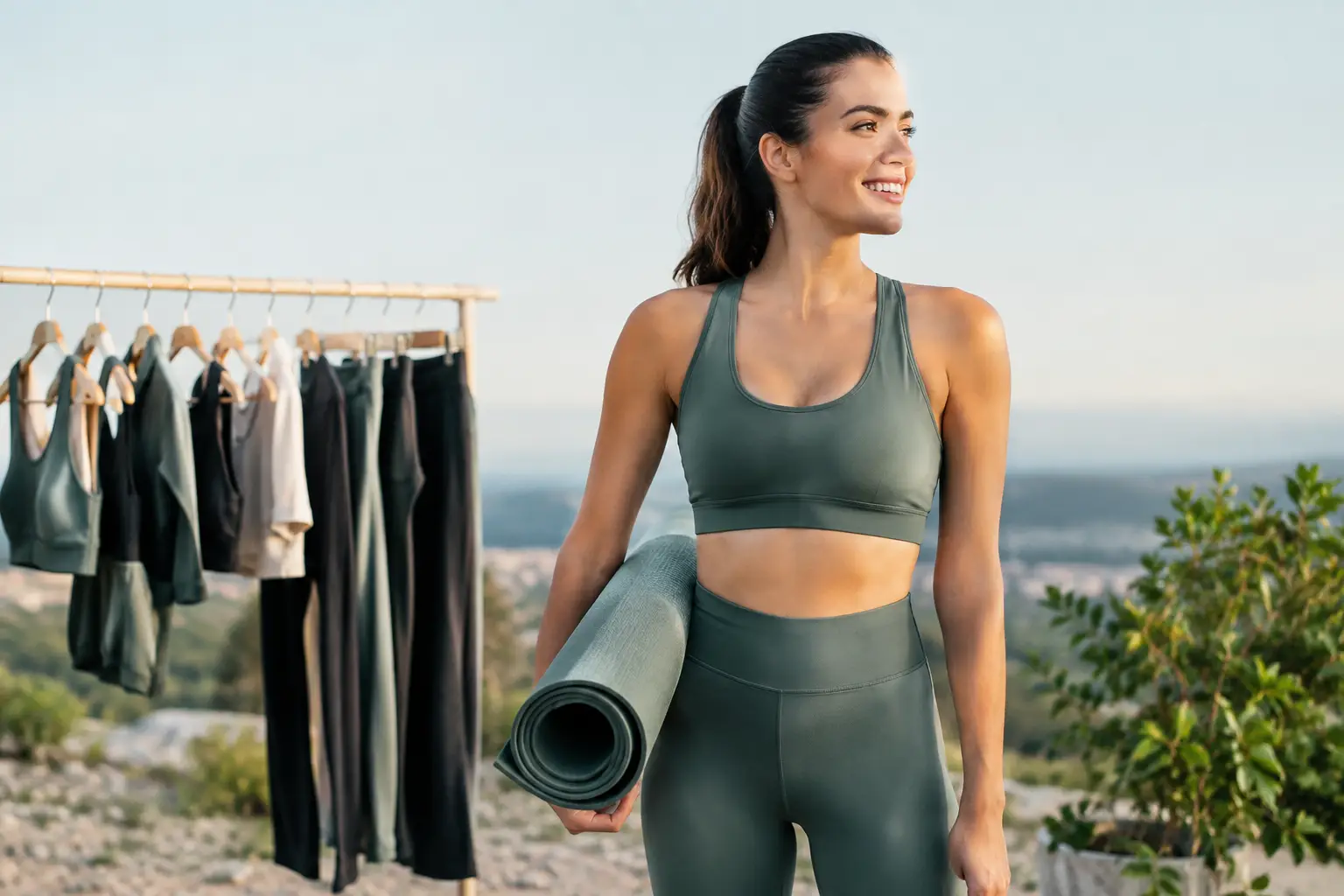
That running top with the peeling logo, the leggings that went sheer after a handful of washes, the drawer full of race T-shirts nobody wears – this is the waste problem circular activewear trends are confronting. For runners, the shift is not about owning a perfect eco wardrobe. It is about choosing kit that performs through wet miles, dark mornings and repeated washing, then stays useful for longer.
Fast fashion taught people to treat clothing as disposable. Activewear often follows the same damaging model: cheap fabrics, rushed production and new colour drops designed to make perfectly serviceable kit feel old. Runners deserve better. Performance gear should support the person wearing it, not create a trail of waste behind them.
What Circular Activewear Trends Actually Mean
Circular activewear is designed around a simple principle: keep materials and products in use for as long as possible. That means making better choices before a garment is produced, not simply trying to recycle it after it has worn out.
A circular approach considers durability, repair, resale, material recovery and the ability to separate components at end of life. It also asks a harder question: should this product exist at all if it only serves one narrow purpose or falls apart after a season?
For runners, circularity does not mean accepting less capable clothing. The best progress comes from reducing the gap between sustainable claims and real-world performance. A running layer still needs to manage sweat. A reflective accessory still needs to be visible. A headlight still needs to work when the rain starts halfway through a winter run.
Recycled materials are only the starting point
Recycled polyester has become common in sportswear, and that is a positive move when it reduces reliance on virgin fossil-based materials. But recycled content alone does not make a product circular. If a garment is poorly made, difficult to repair and destined for landfill after limited wear, the label tells only part of the story.
Runners should look beyond a headline percentage. Is the fabric hard-wearing? Is the construction strong at high-friction points? Can the item be worn across training, walking and everyday life? These questions matter more than a fashionable sustainability badge.
Fewer blended materials, clearer end-of-life options
Performance clothing is difficult to recycle because it often combines several fibres, coatings, elastics, prints and trims. Those materials are useful, but they can make separation nearly impossible when a garment reaches the end of its life.
One of the more meaningful circular activewear trends is simpler material design. Brands are beginning to reduce unnecessary components, use more easily identifiable fibres and give clearer information on how products should be handled once they are no longer wearable. There is a trade-off: a highly technical fabric blend may deliver a specific stretch or weatherproofing benefit. The honest route is not pretending every item can be recycled endlessly. It is using complexity only where it genuinely improves the run.
Durability Is the Most Powerful Circular Activewear Trend
The greenest running top is not necessarily the one with the loudest environmental message. Often, it is the one you reach for twice a week for three years.
Durability can sound unglamorous, but it is where values become practical. Strong seams, dependable fabric recovery, quality elastic and colour that survives washing all reduce the need to replace kit early. A versatile layer that works for a tempo session, an easy 5K and a weekend walk earns its place in your wardrobe.
This also applies to small running essentials. A rechargeable headlight avoids a stream of disposable batteries. Reflective straps that adjust over existing clothing can remain useful as seasons change. No-tie laces can extend the life and comfort of shoes that are otherwise still good to run in. Circular thinking is not confined to fabric – it is about removing needless replacement from the whole running routine.
At 4R, that is the standard worth backing: functional gear with a reason to stay in use, rather than another short-lived purchase chasing a trend.
Repair, Care and Repeat Wear Are Becoming Performance Habits
Circularity is not something brands can deliver alone. How we care for kit shapes its lifespan more than many people realise.
Wash activewear at a lower temperature when the care label allows, avoid overloading the machine and use less detergent than you might for muddy towels or bedding. High heat can weaken elastic fibres and shorten the life of technical fabrics, so air-drying is usually the better call. It takes a little longer, but it protects the stretch and fit that make running kit comfortable.
Small repairs are gaining ground too. A loose seam, failing drawcord or damaged zip should not automatically end a garment’s life. Not every runner wants to sew, and that is fair. But local alterations services can often handle straightforward fixes for less than the cost of replacing a quality item.
Repeat wear deserves a reset in attitude. You do not need a different outfit for every run, every gym session or every social post. A compact rotation of dependable pieces makes getting out the door easier. You know what fits, what performs and what will not chafe at kilometre eight.
Resale and Take-Back Schemes Need Honest Expectations
Second-hand activewear is growing, particularly for lightly worn jackets, mid-layers and casual performance clothing. It can be an excellent way to keep usable products circulating. Yet it depends on the item. For hygiene and fit reasons, some garments are harder to resell, while worn-out compression fabrics may no longer provide the support promised by the original design.
Take-back schemes can help, but runners should ask what happens after they hand over their old kit. Is it reused, downcycled, recycled into new fibre, or exported with no clear outcome? A collection bin is not automatically a circular solution.
The strongest schemes are transparent about their limits. They explain which products they accept, what condition they need to be in and the likely next step. That honesty builds trust far better than vague claims that an old top will magically become a new one.
Buy Less, Choose Better for the Miles Ahead
Circular activewear trends are moving the conversation away from constant novelty and towards purposeful ownership. That suits runners. Most of us do not need a wall of kit. We need clothing and gear that feels good, keeps us safe and holds up to the miles.
Before buying, pause for three questions: Will I use this in more than one situation? Is it replacing something genuinely worn out? Can I care for it properly? The answer will not always be yes. A specific race-day layer or cold-weather accessory can be worth having. Circularity is not about deprivation. It is about buying with intent.
There is also room for brands to do more: produce fewer disposable ranges, give clearer care advice, avoid misleading environmental language and design products for a longer working life. Consumers should not have to choose between affordable performance and responsible production.
Your next run does not need new kit to count. But when something truly needs replacing, choose the piece that will keep turning up for you – through early starts, rain-soaked paths and the ordinary runs that build a stronger life.