

Blog
Best Eco Friendly Running Accessories

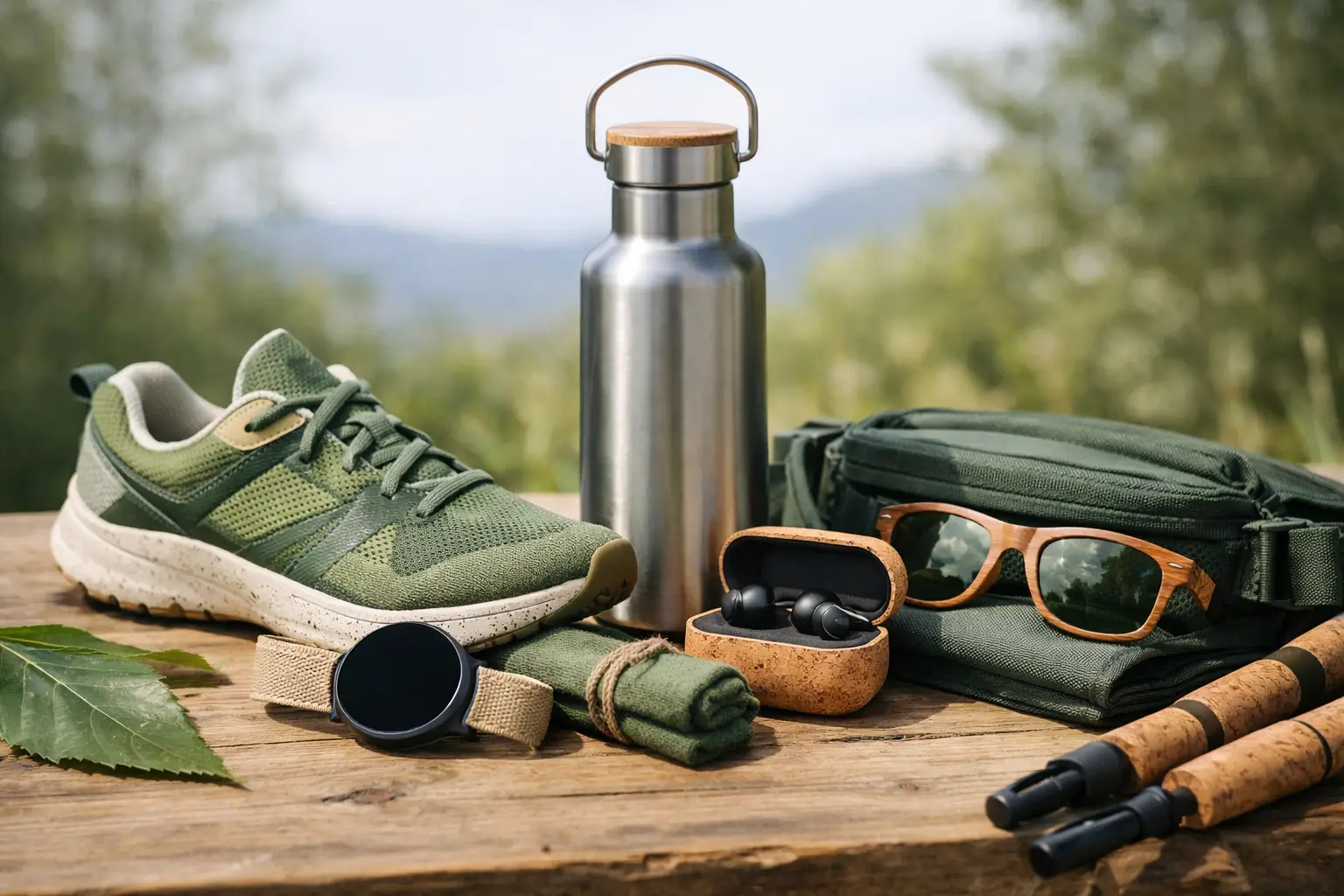
A runner notices the small things fast. A lace that slips at mile three. A light that fades before sunrise. A balm that works once, then lets you down in the rain. That is why eco friendly running accessories matter more than the label suggests. If a product is meant to support your run, it should also stand up to repeated use, reduce waste and earn its place in your kit.
That sounds simple, but not every sustainable claim is worth trusting. Some accessories are genuinely built to last. Others just swap one material, add a green slogan and carry on as usual. For runners who want dependable gear without feeding fast fashion, the better question is not just what is eco friendly. It is what actually performs, lasts and helps you buy less over time.
What makes eco friendly running accessories worth buying?
The strongest case for sustainable running gear is not guilt. It is usefulness. An accessory that survives daily training, poor weather and regular washing saves money, avoids repeat purchases and keeps more low-quality kit out of circulation.
For running accessories, sustainability usually comes down to a few practical factors. Durable construction matters most because the greenest item is often the one you do not need to replace. Recycled or lower-impact materials help, especially when they do not compromise comfort or visibility. Rechargeable power sources are another clear win because they cut battery waste and make more sense for anyone running regularly in low light.
Ethical production matters too, though it can be harder to verify. Brands that are clear about how products are made, why materials were chosen and how long items are expected to last tend to be more credible than brands relying on vague environmental language.
There is also a trade-off to be honest about. Not every recycled material is automatically better in every use case. Accessories for wet, dark or high-friction conditions still need to perform first. If a product fails early, the sustainability story falls apart with it.
The eco friendly running accessories that make the biggest difference
Not every purchase has equal impact. If you want to build a better running kit without overbuying, start with the accessories you use most often.
Rechargeable running lights
This is one of the clearest upgrades. Disposable batteries create ongoing waste and extra cost, especially through autumn and winter when early morning and evening runs need reliable visibility. A well-made rechargeable headlight or chest light keeps waste down and gives you one less thing to keep replacing.
The performance details matter. Look for consistent beam strength, simple charging, weather resistance and secure fit. A light can be technically sustainable but still be useless if it bounces, slips or dies too soon. The best option is the one you will genuinely trust on dark roads, park routes and unlit paths.
Reflective vest straps and visibility gear
Visibility equipment is often overlooked in sustainability conversations, but it should not be. Reflective straps and lightweight visibility gear tend to get used for months on end, often across multiple seasons. When they are adjustable, durable and easy to layer over different clothing, they become a long-term piece of kit rather than a throwaway add-on.
The sustainable angle here is simple: buy one reliable solution that works across your winter jacket, lightweight shell and summer top. Cross-functional gear reduces clutter and avoids the cycle of buying separate items for every season.
No-tie elastic laces
They are small, but they solve a real problem. No-tie elastic laces can extend the usability of running shoes by improving comfort and consistency without adding more complicated kit to your routine. They are also the sort of accessory runners keep using daily once fitted properly.
A cheap set that frays or loosens quickly is false economy. A durable pair that stays secure and transfers from one shoe to the next is the better buy. Small accessories only become sustainable when they avoid replacement.
Anti-chafe essentials
Chafing can wreck a run and turn a training block into a stop-start mess. A dependable anti-chafe solution is not a luxury. It is practical kit. From a sustainability point of view, this category is less about recycled content and more about quality, efficient packaging and not wasting product on formulas that fail halfway through a long run.
It also helps to choose products designed for real use rather than novelty. If one compact balm or stick covers training runs, race day and warm-weather sessions, you are buying with purpose instead of accumulating half-used extras.
How to spot better gear without falling for green marketing
There is plenty of recycled-this and planet-friendly-that in sports retail. Some of it is real. Some of it is noise. Runners need a sharper filter.
First, look for specifics. If a brand says a light is rechargeable, good. If it tells you the expected battery life, charging method and intended lifespan, better. If a product uses recycled materials, the brand should say where and why. Vague claims with no detail usually signal weak substance.
Second, judge the design. Sustainable accessories should make repeat use easy. That means replaceable or rechargeable power, durable closures, washable components where appropriate and a shape that works in normal running conditions. If an item looks fiddly, fragile or overly trend-led, it probably will not stay in your routine for long.
Third, think beyond the first purchase. The cheapest accessory is often the one you buy twice. Reliable gear costs less over time because it keeps showing up. That matters for everyday runners more than polished marketing ever will.
Why fewer, better accessories beat a bigger kit drawer
A lot of runners do not need more gear. They need a tighter system. One strong visibility setup, one dependable anti-chafe product and one pair of laces that just work can cover a surprising amount of training.
That is where sustainable buying gets real. It is not about turning every run into a moral test. It is about refusing throwaway habits. Fast fashion has trained people to treat sports gear as disposable, but accessories should be tools, not clutter.
This is also where affordability belongs in the conversation. Sustainable running products should not be reserved for luxury shoppers. If a brand can deliver ethical, hard-wearing accessories at a sensible price, that is not a compromise. It is the model more runners actually need.
Choosing eco friendly running accessories for your routine
Your best setup depends on how and when you run. If most of your miles happen before work or after dark, rechargeable lighting and visibility gear deserve priority. If you are building consistency and want less friction, no-tie laces and anti-chafe support may have more impact straight away.
Weather matters too. A city runner who sticks to lit pavements may want a lighter, lower-profile visibility system than someone training on darker rural roads. Likewise, race-focused runners may care more about weight and fit, while general fitness runners may value versatility above all else.
The key is not to chase perfection. It is to choose accessories that solve repeat problems and keep solving them. That is the sweet spot where performance and sustainability finally meet.
A smarter standard for eco friendly running accessories
The future of better running gear is not about stuffing recycled fibres into every product and hoping nobody asks questions. It is about building accessories that runners trust, use hard and keep for longer. That standard is higher, and it should be.
For brands, that means designing around durability, repair-free simplicity and honest claims. For runners, it means buying with more intention and less impulse. The accessory market does not need more forgettable extras. It needs products that prove their value in the dark, in the rain and at the exact moment your run would otherwise start to unravel.
That is the real test. If a piece of kit helps you run better, lasts well and keeps waste down at the same time, it has earned its place. Stick with accessories that do that, and your running kit becomes simpler, stronger and far more worth owning.