

Blog
Best Anti Chafe Products for Runners

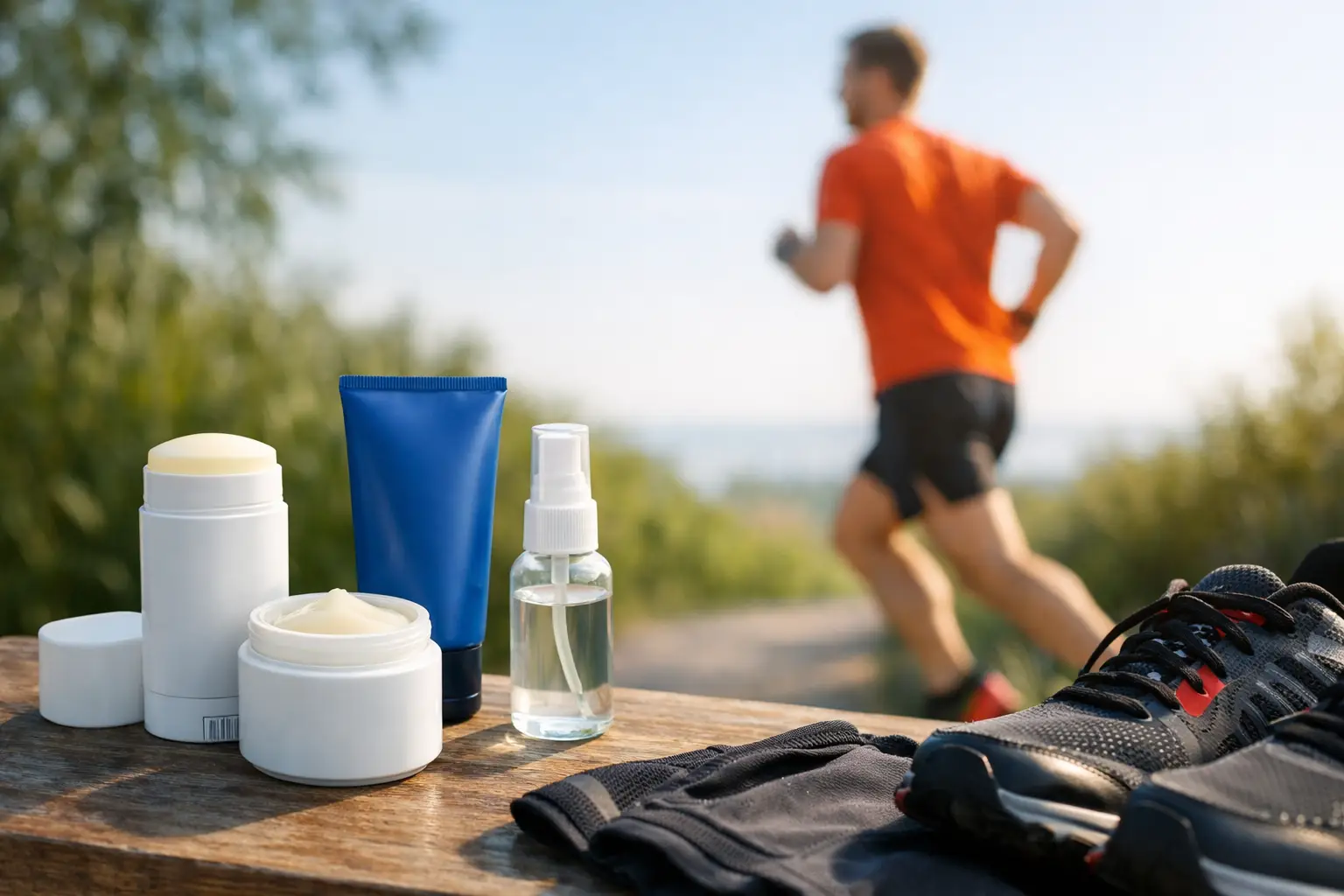
Nothing ruins a good run faster than skin that starts burning by mile three. You can have the right pace, the right playlist and the right mindset, but if your kit rubs in the wrong place, everything narrows down to one thought: make it stop. That is why finding the best anti chafe products runners actually rely on matters so much.
Chafing is not a minor inconvenience. It can cut sessions short, make recovery uncomfortable and turn race day into damage control. The good news is that preventing it is usually simple. The less exciting truth is that there is no single fix for everyone. Your best option depends on where you chafe, how far you run, what you wear and how much you sweat.
What causes chafing when you run?
Chafing comes from repeated friction, but friction rarely acts alone. Sweat, salt, seams, loose fabric and skin-on-skin contact all make it worse. Warm weather can trigger it quickly, but winter runs are not a free pass. Wet base layers and heavy kit can rub just as badly when temperatures drop.
The most common hotspots are the inner thighs, underarms, nipples, sports bra lines, waistband area and around the feet. For some runners, it only shows up on long runs. For others, it appears during a quick 5K if the fabric or fit is wrong. That is why the best anti-chafe strategy is usually a combination of product and clothing choice, not one magic item.
Best anti chafe products runners should consider
If you are trying to choose well, think in categories first. Different products solve different problems, and using the wrong one can leave you disappointed even if the product itself is decent.
Anti-chafe balms and sticks
For most runners, this is the first place to start. A good anti-chafe balm creates a low-friction barrier on the skin without feeling greasy or heavy. It is quick to apply, easy to carry and useful across several areas, especially thighs, underarms, bra lines and around waistbands.
The best versions stay put when you sweat and do not leave your clothes feeling coated. That matters more than fancy packaging. If you are training for longer distances, look for a balm with strong staying power rather than one that feels silky for ten minutes and disappears before the halfway mark.
There is a trade-off, though. Balms are practical, but they do need reapplying for some runners, especially in hot conditions or on marathon-length efforts. If your skin is very sensitive, ingredient choice matters as well. Fragrance-heavy products can feel fine at first and then irritate once sweat and friction build.
Anti-chafe creams
Creams can work well if you prefer a softer texture or need more coverage on larger areas. Some runners like them for inner thighs because they spread quickly and can feel more moisturising than a waxy stick.
The downside is mess. Creams are less convenient before an early run, and some formulas transfer more easily onto clothing. They can still be a solid option, but they suit runners who do not mind a little more prep in exchange for comfort.
Technical running shorts and leggings
Sometimes the best anti-chafe product is not a skin product at all. If your shorts ride up, bunch or hold too much moisture, no balm in the world will fully rescue the situation. Well-fitted running shorts or leggings made from smooth, moisture-wicking fabric can remove the source of the problem.
Longer inseams help many runners with thigh chafing. Flat seams help around the groin and waistband. A secure fit matters too. Clothing that shifts constantly creates friction even when the material itself feels soft.
This is where buying less but buying better makes sense. Durable, performance-led kit usually costs less over time than replacing cheap shorts that lose shape after a few washes. Fast fashion has no place in a training block.
Sports bras and base layers with smooth construction
For women, bra-line chafing can be brutal. The answer is usually a bra with supportive fit, soft edging and minimal seam irritation. If a bra moves even slightly too much, rubbing gets worse as the miles stack up.
The same applies to base layers and tops. Underarm and chest chafing often comes down to cut and construction. Lightweight technical fabric helps, but so does proper fit. Too tight can dig in. Too loose can rub. It depends on your build and the type of run.
Nipple guards and protective patches
For runners dealing with nipple chafing, especially over long distances, patches or guards can be more reliable than balm alone. Sweat can reduce how well some products stay in place, but a good protective barrier can stop the issue before it starts.
This is one of those areas where simple beats clever. If it stays put and protects the skin, it has done its job. Test it in training, not on race morning.
Anti-blister socks and foot protection
Foot chafing often gets labelled as blister trouble, but the root cause is still friction. Moisture-wicking socks, smooth toe seams and well-fitting shoes can make a huge difference. Some runners also use blister balms or protective tape on known hotspots such as heels or arches.
Here, layering matters. A good sock inside a poorly fitted shoe will not solve much. Likewise, the best shoe can still cause problems if your socks trap moisture.
Sports tape
Tape is a useful backup when you have one very specific hotspot. It can protect bra lines, toes, heels or any area that repeatedly rubs in the same way. It is not always the most comfortable all-over solution, but it is effective when used with purpose.
The catch is that poor-quality tape can peel off, bunch up or irritate the skin when removed. It is a tool, not a complete system.
How to choose the best anti chafe products for runners
Start with the location of the problem. Inner-thigh chafing usually responds well to a balm plus better shorts. Underarm rubbing might be solved by changing top fit. Bra-line chafing often points to construction and support first, with a skin barrier as added protection.
Then think about distance and weather. A product that works for a 30-minute run may fail badly on a humid long run. If you train through summer, sweat resistance matters. If you run in rain, water exposure matters too.
Skin sensitivity should not be ignored. A stronger formula is not always a better one if it stings broken skin or triggers irritation. The best anti chafe products runners trust are the ones they can use consistently, not the ones with the boldest claims.
What to avoid
Cotton is often the first problem. It holds moisture, gets heavy and rubs more once wet. Old shorts with rough seams can also cause repeat issues even if they once felt fine.
It is also worth avoiding the habit of trying something completely new before a race. Chafing prevention is personal. Test products and kit on training runs where a failure is annoying, not disastrous.
Be cautious with heavily perfumed products or anything that feels sticky after application. Stickiness often turns into friction once the miles build.
A practical routine that works for most runners
Before running, apply an anti-chafe balm to known hotspots, not just the areas that hurt last time. Check your shorts, bra or top for fit, then choose socks that match the conditions. If you know one area always causes trouble, add tape or a patch rather than hoping for the best.
After the run, wash off sweat and salt sooner rather than later. If the skin is already irritated, let it recover fully before throwing more friction at it. Prevention beats treatment, but proper recovery stops a small problem becoming a lasting one.
For everyday runners, that simple routine is usually enough. You do not need a bathroom shelf full of products. You need a few dependable pieces that earn their place and last.
The best anti-chafe setup is the one you will actually use
There is a temptation to look for one miracle answer, but running comfort rarely works like that. The best anti chafe products runners use consistently tend to be the boringly effective ones: a reliable balm, proper technical kit, good socks and targeted protection where needed.
That is also the more sustainable choice. Instead of cycling through cheap fixes and throwaway gear, build a small setup that performs every week. Brands like 4R have built their approach around that idea for a reason – runners need products that work hard, last well and do not ask them to compromise on their values.
If your current kit is leaving you sore, do not just tough it out. Chafing is fixable, and once you solve it, running feels like running again.