

Blog
Anti Chafe Balm vs Body Powder for Runners

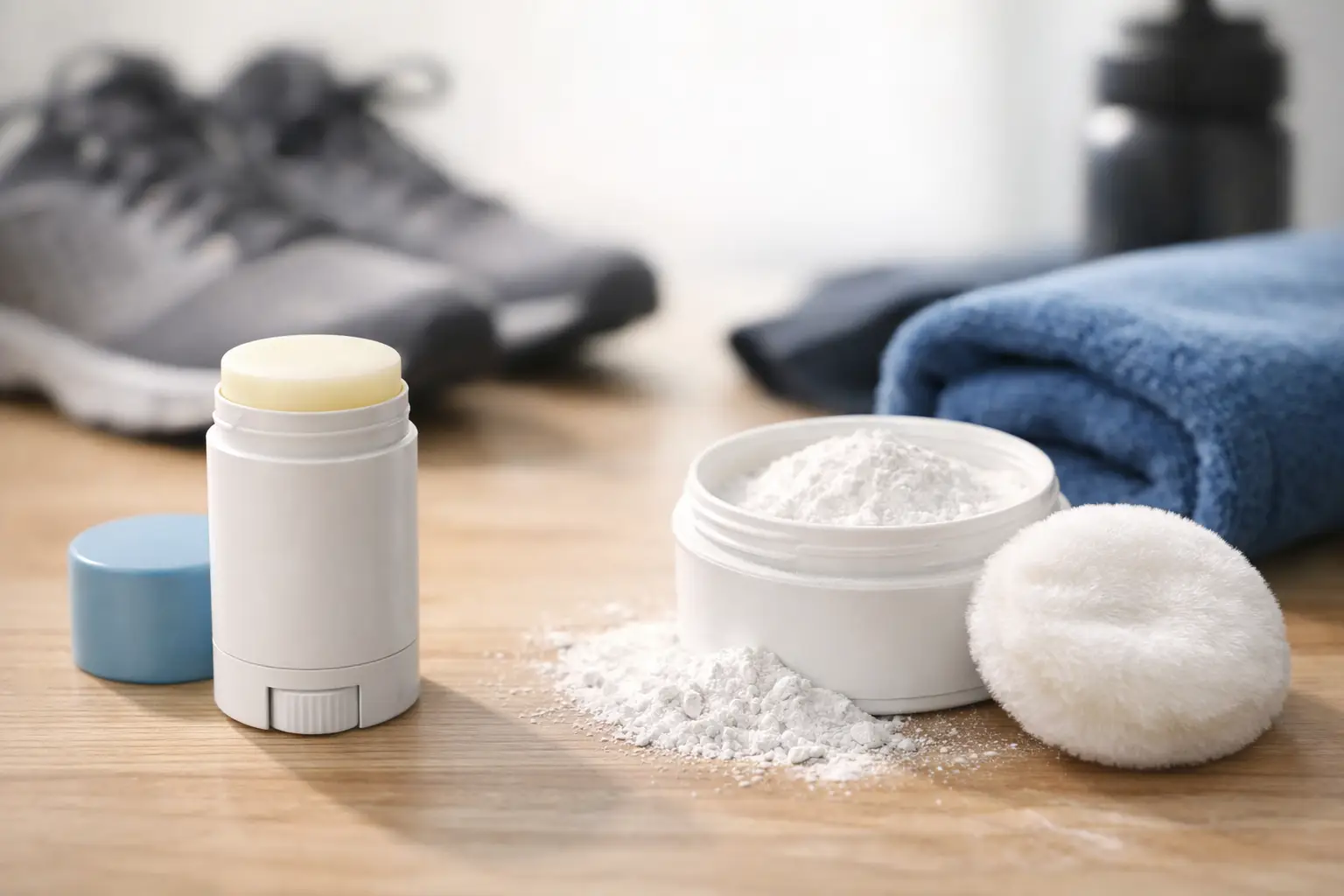
A run can be going brilliantly until one hot spot turns every stride into a negotiation. When you are choosing between anti chafe balm vs body powder, the best option is not always the one your training partner swears by. It depends on where you chafe, how much you sweat, what you wear and how long you plan to be out there.
Both products aim to stop skin-on-skin or fabric-on-skin friction before it becomes soreness. But they work in very different ways. Balm creates a protective, lubricating barrier. Powder absorbs moisture and helps skin or fabric feel drier. Knowing that difference can save your long run, your race day and a few painful showers afterwards.
Anti Chafe Balm vs Body Powder: The Core Difference
Anti-chafe balm is built to reduce friction directly. Applied to clean, dry skin, it leaves a thin layer that allows areas to move against each other with less rubbing. It is usually the stronger choice for repeat-contact zones: inner thighs, underarms, bra lines, nipples, the waistband area, toes and the back of the heel.
Body powder takes a different route. It helps manage dampness by absorbing sweat, which can reduce the clammy conditions that make rubbing worse. It can feel particularly useful in hot weather, in socks and shoes, or beneath loose clothing where moisture is the main issue.
Neither is magic. A powder can become patchy once you are drenched in rain or sweat, while a balm can feel too warm or slippery for runners who simply want to keep a naturally damp area dry. The right choice comes down to the kind of friction you are dealing with.
Choose Balm When Friction Is the Main Problem
If you have ever finished a run with red, burning skin on the thighs or a raw line beneath a sports bra, you know that moisture is only part of the story. Repeated movement is the real culprit. This is where balm earns its place in your kit.
The barrier stays where you apply it far better than powder during steady, repetitive motion. That makes it a reliable choice for long runs, marathons, trail days and any session involving close-fitting shorts, leggings or a hydration vest. It is also useful in unpredictable Northern Irish weather, when a dry start can quickly become a wet, windy finish.
Apply balm generously, but do not cake it on. Cover the whole area that rubs rather than only the point that felt sore last time. Chafing often starts just beyond the spot you expect, especially when seams shift or your stride changes late in a run.
For feet, a small amount on toes, between toes or around the heel can help where socks cause rubbing. If your shoes are already tight or your socks are worn out, however, no balm will fully solve the problem. Good anti-chafe protection works best alongside properly fitting gear that has not been designed to fall apart after a handful of wears.
Balm works best for
Balm is usually the better call for skin-on-skin rubbing, sports bra and waistband friction, vest contact points, nipple chafing, and long-duration running. It is also the practical race-day option if you need a product you can trust through changing weather and rising mileage.
Choose Body Powder When Sweat Is the Main Problem
Body powder comes into its own when dampness is causing the discomfort. Think humid gym sessions, short summer runs, sweaty feet inside shoes or skin folds where heat builds quickly. By soaking up moisture, powder can make an area feel fresher and less sticky before you start moving.
It is often popular in shoes and socks, although the application needs care. Use only a light dusting. Too much powder can clump when wet, leaving grit inside your sock and creating a new source of friction. If you are prone to blisters, test it on an easy run before relying on it for a race.
Powder can also be less convenient outdoors. It is easy to spill, difficult to reapply with sweaty hands and likely to lose effectiveness in heavy rain. Avoid creating a cloud when applying it, particularly in small changing rooms, and follow the product instructions carefully. You want it on the relevant skin or fabric, not in the air.
For runners who dislike the feel of balm, a body powder may be a comfortable option for short, warm runs. Just do not mistake a dry feeling at the start line for guaranteed protection at kilometre 15.
Powder works best for
Powder suits moisture-heavy areas, warm indoor training, feet that feel sweaty in shoes and shorter sessions where chafing is mild. It can be a useful part of your routine, but it is generally less dependable than balm for serious, high-friction running.
Can You Use Balm and Powder Together?
Yes, but use them for separate jobs rather than layering them on the same patch of skin. Applying powder over balm can create a paste-like mess, reducing the benefit of both. Instead, use balm where skin or clothing repeatedly rubs, then use a modest amount of powder in areas where moisture control is your priority.
For example, a runner preparing for a summer half marathon might use balm on the inner thighs, underarms, bra line and heel, then a little powder in their shoes if sweat is a recurring problem. This is not overcomplication. It is targeted preparation, just like checking your laces, charging your light and choosing the right layer for the forecast.
Your Clothing Can Make Either Product Work Better
A good anti-chafe product is useful, but it should not be forced to compensate for poor kit. Rough seams, sagging waistbands, damp cotton and worn-out socks all increase friction. The cheapest item is not the one with the lowest price tag if it needs replacing quickly or makes every run less comfortable.
Choose running clothes with a secure fit and soft, well-placed seams. Avoid wearing new shorts, leggings or a sports bra for the first time on race day. Test your full setup on a longer training run, including your socks, hydration vest and anything else that touches your skin repeatedly.
At 4R, we believe running gear should earn its place in your drawer. Durable, functional products reduce waste and give you more confidence to get out the door. That matters more than chasing disposable trends that look good once and fail when the miles build.
How to Prevent Chafing Beyond Products
The smartest approach is preventative. Start with clean, dry skin and apply your chosen product before discomfort begins. Once skin is already broken, applying balm or powder may sting and will not repair the damage. Give irritated areas time to recover, keep them clean and avoid further rubbing where possible.
Pay attention to patterns in your training. Do you only chafe after 90 minutes? Does it happen in wet weather, on hilly routes or when you wear one particular top? Those details reveal whether you need more lubrication, better sweat management or simply a different garment.
It is also worth reassessing your gear as the seasons change. A product that feels perfect for a crisp 10K in March may need extra support during a humid August long run. Your body, pace, clothing and route all affect the answer.
The Better Choice for Most Runners
For most runners, anti-chafe balm is the more versatile and dependable first choice. It deals directly with friction, lasts well during longer efforts and protects the areas most likely to suffer when your kit and movement repeat for thousands of strides.
Body powder still has a place, especially for sweat control, warm-weather comfort and foot care. But if you are buying one product to guard against painful rubbing on regular runs, start with balm. Keep powder as a useful specialist option if moisture is the issue you notice most.
A small pre-run habit can protect your skin, your confidence and your enjoyment of the miles ahead. Sort the friction before you leave the house, then put your energy where it belongs: moving forward.