

Blog
Elastic Laces for Runners Review: Worth It?

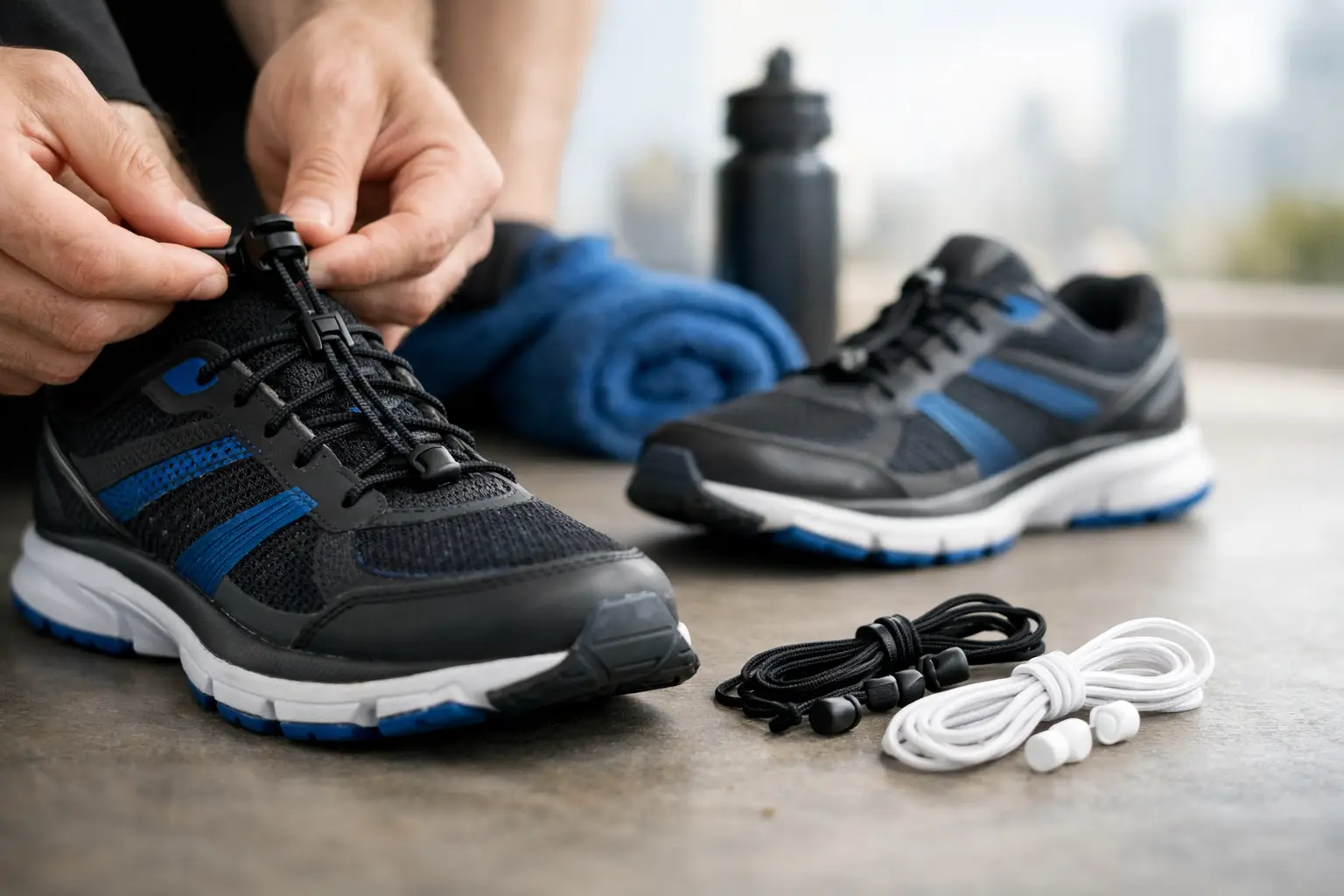
A lace coming loose at kilometre six is a small problem that can wreck a good run. You either stop, break your rhythm and retie it, or carry on with a shoe that suddenly feels less secure. That is the simple promise behind this elastic laces for runners review: replace conventional laces with a fitted, no-tie system and remove one more annoyance from your routine.
Elastic laces are not a magic performance upgrade. They will not make an easy run faster or fix a shoe that does not suit your feet. But for many runners, they make getting out the door quicker, keep pressure more consistent across the foot, and remove the risk of untied loops. For an affordable piece of kit that can stay in service for a long time, that is a strong case.
What elastic laces actually change
Most elastic running laces use stretch cord, trimmed to fit your shoes, with a locking mechanism to set tension. Once installed, you slip your shoes on and off rather than tying and untying them each time. The lace stretches as your foot moves and, in a well-set-up pair, returns to the same tension after every run.
That changes the experience most at the beginning and end of a session. Early morning runners, parents fitting training around busy days, triathletes and anyone who struggles to bend comfortably can appreciate the time saved. It is only a minute or two, but fewer barriers can mean more runs completed.
The bigger benefit is consistency. Standard laces can feel different each time depending on how tightly you pull them. With elastic laces, once you find a comfortable setting, your shoe closure is repeatable. That can be particularly welcome on steady road runs, dog walks, gym sessions and daily commuting where you want dependable footwear without fuss.
Elastic laces for runners review: the real benefits
The strongest feature is convenience, but it is not the only one. Elastic laces can spread pressure more evenly than tightly cinched conventional laces. Runners with a sensitive instep or feet that swell on longer outings may find the gentle give more forgiving.
They also remove loose loops. This matters for runners on wet pavements, uneven trails and crowded park paths, where catching a lace is an unnecessary trip hazard. If you run before sunrise or after work, your attention is better spent watching the ground, your route and traffic than checking whether a bow has started to unravel.
For newer runners, no-tie laces can make a pair of running shoes feel more approachable. There is no special knot to learn and no fiddling mid-run. For experienced runners, the appeal is often simpler: less faff, more miles.
There is a sustainability angle too. A durable accessory that refreshes the function of shoes you already own is a better choice than replacing otherwise sound footwear because the original laces have frayed or become unreliable. Running gear does not need to be disposable. The most responsible item is often the one you keep using properly.
Where no-tie laces fall short
The trade-off is adjustability. Conventional laces let you create different tension at the forefoot, midfoot and ankle. You can use a heel-lock pattern for descents, loosen one section over a sore spot, or alter the fit halfway through a long run. Elastic systems are more limited once fitted.
That does not make them unsuitable for distance running, but it means setup matters. If your feet change dramatically during a marathon, if you rely on precise race-day lacing, or if your shoe has heel slip, conventional laces may give you more control. A firm elastic setting can also create unwanted pressure, while one set too loose can leave the shoe feeling vague on bends or technical terrain.
Trail runners should be especially selective. On smooth gravel and moderate paths, elastic laces can work brilliantly. On steep, muddy or rocky routes where foot placement is constantly changing, a locked-down traditional lace pattern may feel safer. Your shoes need to hold your foot securely inside the upper, particularly on descents.
The locking piece is another consideration. A good lock should sit flat, hold its setting and not press into the top of the foot. Cheap systems can slip, crack or leave a bulky toggle that catches on clothing. As with any functional gear, the lowest price is not always the best value if the item fails after a few outings.
Fit matters more than speed
Installing elastic laces takes only a few minutes, but rushing it is the main reason runners dislike them. Start with the shoes on your feet, ideally while wearing the socks you run in. Thread the laces through the eyelets as you normally would, then tighten them until the upper feels secure without squeezing your toes or pressing hard on your instep.
Walk around before trimming anything. Jog lightly, do a few hops and take the stairs if you can. Your heel should not lift excessively, yet your forefoot should still have room to spread. It is tempting to set the tension tight because the shoe feels held in place, but elastic cord needs some stretch left to do its job.
Only cut the excess when you are happy. Leave a little extra length at first, because adding cord back is not an option. Finish the ends neatly and make sure the lock is positioned where it will not rub. Then give the setup two or three short runs before judging it. A fit that feels fine standing still may feel different after twenty minutes of running.
Who should choose elastic running laces?
They make most sense for runners who value quick transitions and a stable everyday fit. They are also a practical choice for people returning to activity, runners with limited mobility, school-age athletes, and anyone who uses one pair of shoes for running, walking and gym training.
They can be especially useful for triathlon or parkrun regulars who want a fast, predictable shoe-on routine. The seconds saved are nice, but the real gain is calm. You know your shoes are ready before you reach the start line.
They may be less suitable for runners with highly specific fit needs. If you have recurring numbness, black toenails, heel movement or pain across the top of the foot, do not expect a new lace system to solve it. Check shoe size, width, sock choice and running volume first. Persistent pain deserves advice from an appropriate health professional rather than another gear tweak.
What to look for before buying
Choose laces that are designed for active use rather than novelty trainers. The cord should stretch smoothly without feeling thin or brittle. The lock should grip securely and be easy to use with cold fingers. A low-profile design is preferable, particularly if you wear close-fitting running tights or use a shoe with a snug upper.
Colour is not just cosmetic. A bright or reflective option can add a small visibility benefit when paired with proper reflective gear and a light for dark runs. It is never a replacement for being seen, but every sensible detail helps on dim Northern Irish mornings and dark winter evenings alike.
At 4R, we believe useful running gear should earn its place. A set of elastic laces should not be a throwaway trend or another accessory forgotten in a drawer. It should help you wear your favourite shoes more often, move with less friction, and avoid replacing things before their time.
The verdict for everyday runners
Elastic laces are worth it for runners who want simplicity, repeatable comfort and no loose-lace interruptions. They work best in shoes that already fit well and for routes where you do not need highly customised lockdown. They are less compelling for technical trail days, major races where you depend on a precise lacing pattern, or shoes with unresolved fit issues.
Think of them as a small practical upgrade, not a cure-all. Set them up patiently, test them on shorter runs, and keep your original laces if you like changing your fit for different sessions. The best running kit is not the flashiest. It is the kit that quietly removes excuses, lasts well, and gets you out for the next run.