

Blog
Why Do Running Tops Smell After Every Run?

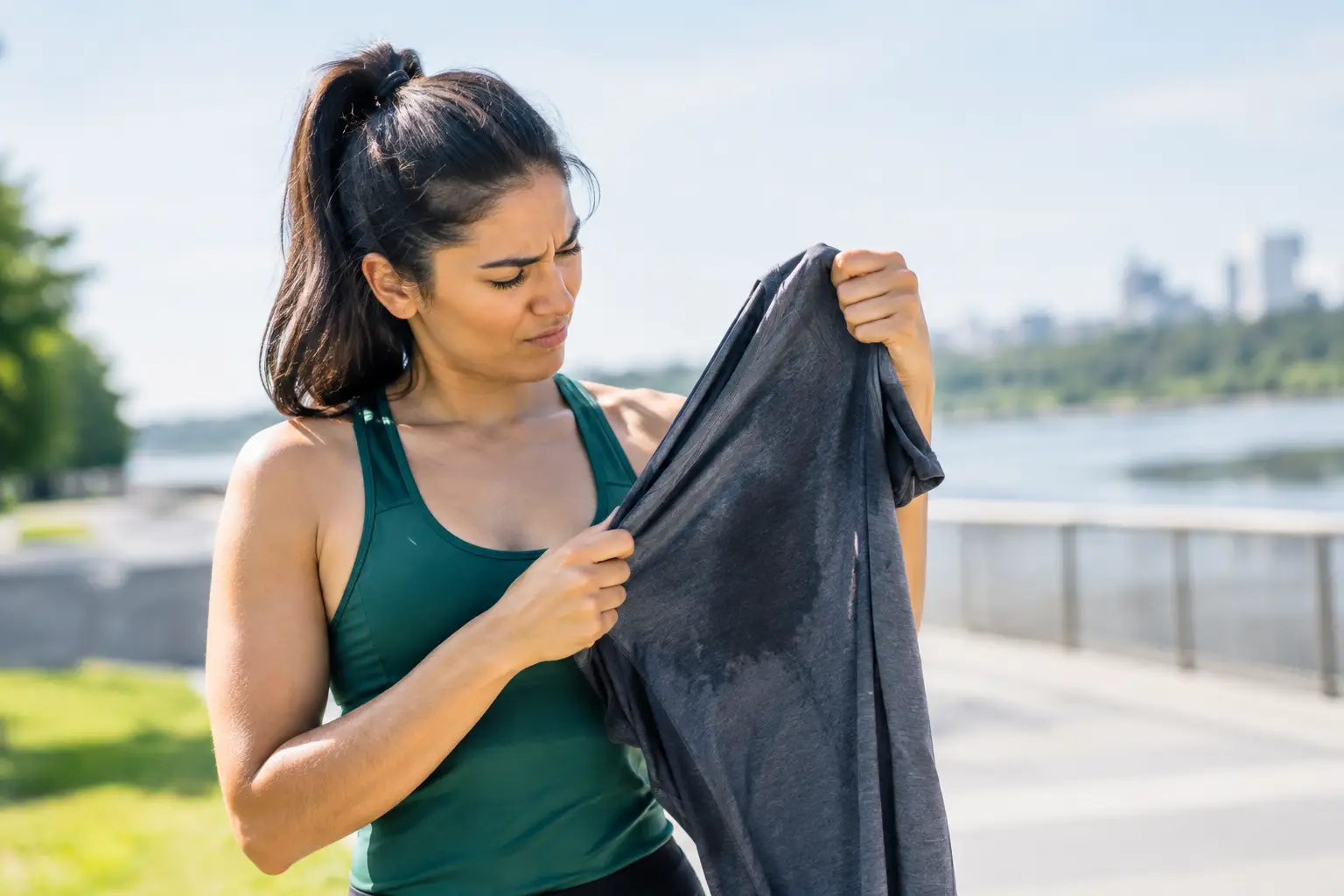
You finish a solid run, peel off your top and catch that familiar sour smell. So, why do running tops smell so much worse than an everyday cotton T-shirt, sometimes even after they have been washed? It is not a sign that you are unhygienic. It is what happens when sweat, skin oils and odour-causing bacteria settle into performance fabric built to sit close to your body.
Running kit should help you feel ready to go again, not make laundry day feel like another workout. The good news is that most stubborn odour has a practical cause, and with the right wash and care routine, you can keep a good running top in action for far longer.
Why do running tops smell more than ordinary clothes?
Sweat itself is mostly water and salt. Fresh sweat does not have a strong smell. The odour develops when bacteria on your skin feed on compounds in sweat and natural body oils. During a run, warmth and moisture create exactly the conditions those bacteria enjoy.
A running top is often damp across your chest, back and underarms for an hour or more. Add friction from movement, a running vest or a backpack, and the fabric gets a concentrated dose of sweat and oil in the same areas every session.
Technical fabrics can hold on to oils
Most running tops use synthetic fibres such as polyester because they are lightweight, quick-drying and effective at moving moisture away from your skin. Those are useful performance qualities. But synthetic fibres can also attract and retain oily residues more readily than natural fibres.
That residue gives bacteria something to feed on, even when the garment looks clean. A quick wash may remove visible dirt but leave behind a thin film of sweat, detergent and body oil. Once the top warms up on your next run, the smell returns.
Cotton can smell too, but it absorbs more water and usually holds less of the oil that causes persistent technical-fabric odour. The trade-off is that a soaked cotton top becomes heavy, cold and uncomfortable. For running, performance fabric is still the sensible choice. It simply needs more deliberate care.
Deodorant, moisturiser and detergent can add to the problem
Antiperspirant, body lotion and sunscreen can build up around the underarms, neckline and shoulders. So can too much detergent. It sounds backwards, but overloading the machine with washing liquid can leave a coating on fabric, trapping odour rather than clearing it.
Fabric conditioner is a frequent culprit. It can coat wicking fibres, reducing their ability to move sweat and making it easier for residue to build up. Your top may feel soft at first, but it can become less functional over time.
Why the smell survives a wash
If your running top smells fine dry but turns unpleasant as soon as you start warming up, the fibres are likely holding on to old residues. Standard short washes, especially at low temperatures, do not always shift them.
Leaving sweaty kit in a gym bag or laundry basket makes that harder. Bacteria have time to multiply while the garment stays warm and damp. Even a few hours can make a difference after a humid run, a hard hill session or a long run in a rain shower.
Washing a top inside out can help because the inside is where the sweat and skin oils collect. Overstuffing the machine does the opposite: water and detergent cannot circulate properly, so garments get rinsed poorly. A top that has been washed in a packed load may come out looking clean but still carry the source of the smell.
There is also a limit to what any wash can reverse. If a top has been repeatedly washed with conditioner, left damp for days or worn heavily for years, odour can become deeply embedded. That does not mean every smelly garment belongs in the bin. It does mean care from the first few wears matters.
How to stop running tops smelling
Do not let damp kit sit
As soon as you are home, take your top out of your bag. If you cannot wash it immediately, hang it somewhere with good airflow until laundry day. Do not bundle it on a radiator, where heat can bake in odour and wear down delicate fibres. A clothes airer in a ventilated room is a better option, particularly through a damp Northern Irish winter when drying takes longer.
If you run before work or travel home from a race, even turning the top inside out and draping it over the back of a chair is far better than leaving it sealed in a bag.
Wash according to the care label, not habit
Use the coolest effective wash recommended on the garment’s care label. For many running tops, 30°C is enough for regular washing, while an occasional warmer wash may suit the fabric if the label permits it. The goal is to remove residue without damaging stretch, bonded details, reflective elements or moisture-wicking performance.
Use a modest amount of good-quality detergent, ideally one designed to tackle sweat and oils. More is not better. If your machine allows it, choose an extra rinse when a top has a stubborn smell or when you have been doing high-mileage weeks.
Avoid fabric conditioner. It is one of the easiest changes you can make for fresher, better-performing kit.
Treat the problem areas before they become permanent
For persistent underarm odour, work a small amount of detergent gently into the inside of the fabric before washing, then leave it for a short time as directed on the product. A purpose-made sports wash can also be useful when normal detergent is no longer doing the job.
Be cautious with DIY fixes. Strong bleach can damage synthetic fibres and prints. Hot water may shrink or weaken some technical fabrics. Vinegar is often recommended online, but it is not a universal answer and should not be mixed with other cleaning products. Check the garment label and the laundry product instructions first.
Dry fully, then put it away
Dampness keeps odour alive. Dry your top completely before folding it into a drawer or packing it for the next run. Air drying is usually kinder to running fabrics than frequent tumble drying, although the care label should always have the final say.
A little daylight can help freshen laundry, but avoid leaving technical kit in harsh sun for long periods. Repeated intense UV exposure can fade colour and shorten the life of elastic fibres. Think fresh air and full drying, not baking it outdoors all afternoon.
When is it time to replace a running top?
A lingering smell alone is not always a reason to throw a garment away. First, try a proper wash routine, an extra rinse and a sports-specific cleaner. If the top is still comfortable, wicks sweat well and has no damage, it may have plenty of runs left.
Replacement makes more sense when odour is joined by worn-out performance. Look for fabric that stays wet, chafes, has lost its shape, feels rough against the skin or has thinning areas around the shoulders and underarms. If reflective detailing has peeled away or seams are failing, the top may no longer be dependable for the conditions you run in.
When you do replace kit, choose deliberately. One durable, well-made running top that is washed properly is a better answer than a drawer full of cheap tops designed to lose shape after a season. Fast-fashion sportswear creates waste before it has earned a place in your training routine.
Better kit care is part of running responsibly
Looking after your running clothing is not glamorous, but it is a small habit with a real impact. It keeps your favourite layers comfortable, helps performance fabrics do their job and reduces the need to buy replacements before they are necessary.
At 4R, we believe runners deserve gear that works hard without demanding disposable consumption. Whether you are jogging around the estate, building towards your first 10K or chasing a new marathon time, treat your kit like part of the plan: air it, wash it properly, dry it fully, and let it carry you into the next run feeling fresh.