

Blog
Stop Running Chafing Before It Stops Your Run

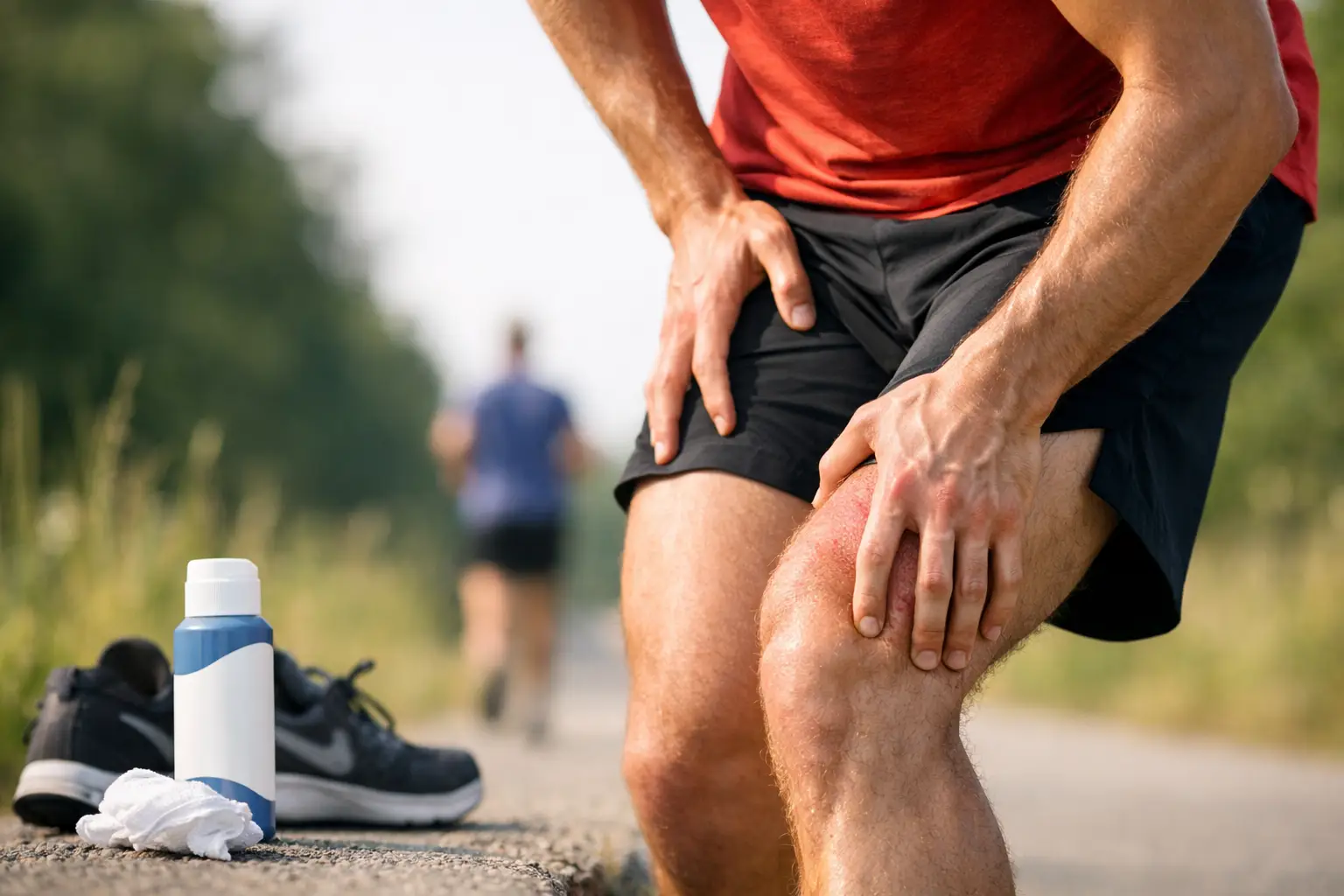
A strong run can unravel over one small, infuriating problem: running chafing. One minute you are settling into your pace, the next every stride creates a sharp burn that makes finishing feel like a battle. It is not a toughness test. It is a friction problem, and it is usually preventable.
Chafing affects first-time 5K runners, marathon regulars and everyone between. It can happen on a damp winter morning in Newry, during a humid holiday run, or on a long treadmill session indoors. The answer is not buying more disposable kit every few months. It is choosing gear that fits properly, preparing your skin, and paying attention to the conditions that make friction worse.
What causes running chafing?
Chafing happens when skin repeatedly rubs against skin, fabric or a moving piece of kit. Heat, sweat and salt make the skin softer and more vulnerable, while wet fabric increases drag. Once the top layer of skin is irritated, continued rubbing can turn a mild hot spot into a painful rash or broken skin.
Common areas include the inner thighs, groin, underarms, nipples, lower back, waistband, bra line, feet and around the neck where a collar or vest moves. The exact location varies, but the pattern is familiar: something shifts, rubs and gets worse with every kilometre.
Longer runs naturally increase the risk, but distance is not the only factor. A short run in heavy rain can be enough if your top becomes saturated. A new pair of shorts may look ideal until the inner seam starts rubbing. Body changes, a different running route, carrying a mobile phone belt, or simply a warmer day can alter what worked last week.
Prevent running chafing before you leave home
The most reliable strategy starts before the first step. Apply an anti-chafe balm to areas that regularly rub, especially before long runs, races and wet-weather sessions. A good balm creates a protective barrier, reducing friction without requiring you to layer on unnecessary clothing. Reapply for very long efforts if needed, particularly when sweat and rain are part of the day.
Do not wait until skin feels sore. By that point, irritation has started. Make anti-chafe protection part of the same simple routine as checking your laces, charging your light and filling your bottle.
Choose fit over fashion
Running clothing should move with you, not fight you. Look for a secure fit that is neither restrictive nor loose enough to bunch and slide. The right choice depends on your body and your preferred distance. Some runners find fitted shorts prevent thigh rub brilliantly; others prefer looser shorts with a supportive inner layer.
Check seams before you run. Flat or carefully placed seams are less likely to dig in, but even good seams can cause trouble if the garment is too tight, too loose or worn out. A waistband that rolls, a sports bra that shifts, or socks that crease inside your shoes are all early warnings.
Avoid cotton for serious running when possible. It absorbs sweat, stays wet and can cling to the skin. Technical fabrics that manage moisture are generally more comfortable, but fabric alone is not a magic fix. A poorly fitting technical top can still chafe. Fit, fabric and skin protection work together.
There is also a sustainability case for buying fewer, better pieces. Fast-fashion activewear often loses shape quickly, leaving you with stretched waistbands, rough seams and clothing that no longer performs. Durable running kit that retains its fit helps reduce both friction and waste. That is better for your running drawer and better for the planet.
Keep wet kit from becoming a problem
Rain does not have to cancel a run, but soaked clothing changes the equation. If conditions are wet, choose layers that will not become heavy and clingy. Make sure any hydration vest, reflective straps or running belt is adjusted firmly enough to stay put without digging into the skin.
After your run, get out of wet gear promptly. Sitting around in sweaty tights or a damp top gives irritation more time to develop. Rinse your skin, dry gently and wash your kit before its next outing. Old sweat and detergent residue can make fabric less comfortable, especially on sensitive areas.
Small details that make a big difference
The usual chafing culprits are not always obvious. Men who experience nipple chafing may benefit from protective covers or a balm barrier before running. Women should reassess sports bra fit regularly, as an old bra that has lost support can move more than expected. If a label, zip edge or logo consistently rubs, that item may simply not be right for running.
Foot chafing deserves the same attention. Blisters are friction injuries too. Wear socks that fit cleanly without folds, trim toenails, and make sure your shoe has enough room for feet to swell slightly on longer runs. Lacing can help: if your heel slips, adjust your laces so the shoe feels secure. If your toes feel compressed, do not solve the problem by tightening harder.
Carry only what you need, and secure it properly. A bouncing mobile phone, bottle or belt can create a sore patch surprisingly quickly. Test new accessories on an easy, short run before taking them into a race or a long session. Race day is not the moment to discover that a new vest strap rubs your collarbone.
What to do when chafing starts mid-run
If you notice a hot spot early, act early. Slow down, adjust the clothing or accessory causing the rub, and apply balm if you have it with you. A small change can stop minor irritation becoming a painful finish.
If skin is already raw, the sensible choice depends on the severity and your goal. During an ordinary training run, stopping or cutting the route short is often the smart call. Pushing through broken skin can make recovery slower and turn the next few runs into misery. In an event, you may choose to continue, but protect the area as much as possible and plan to treat it properly afterwards.
Do not keep pulling at fabric every few minutes. Constant adjustments can increase rubbing. Find the cause, make one deliberate correction, then assess whether it has actually helped.
Help chafed skin recover
Once you are home, wash the area gently with lukewarm water and mild soap if needed. Pat dry rather than rubbing with a towel. Apply a simple protective ointment or barrier product to reduce further friction from clothing, and wear loose, breathable garments until the skin settles.
Avoid harsh scrubs, fragranced products or anything that stings. Broken skin needs calm care, not a pile of lotions. Keep the area clean and let it heal before exposing it to another long, sweaty run.
Seek advice from a pharmacist or healthcare professional if the area becomes increasingly red, swollen, hot, oozing, very painful, or does not improve. These can be signs that irritation has progressed beyond ordinary chafing.
Build a routine you can trust
The best anti-chafing setup is the one you will use consistently. Identify your personal problem areas, keep a reliable balm where you pack your running essentials, and give every new garment a proper test before trusting it on a big day. That preparation takes minutes and saves you from days of discomfort.
At 4R, we believe dependable running gear should earn its place through function and longevity, not fleeting trends. Your kit should support the miles you want to run, without leaving you sore or sending perfectly usable clothing to landfill.
A little prevention lets you focus on the part that matters: the steady rhythm of your feet, fresh air in your lungs, and the quiet satisfaction of getting out there again tomorrow.