

Blog
Recycled Fabric Comparison for Everyday Runners

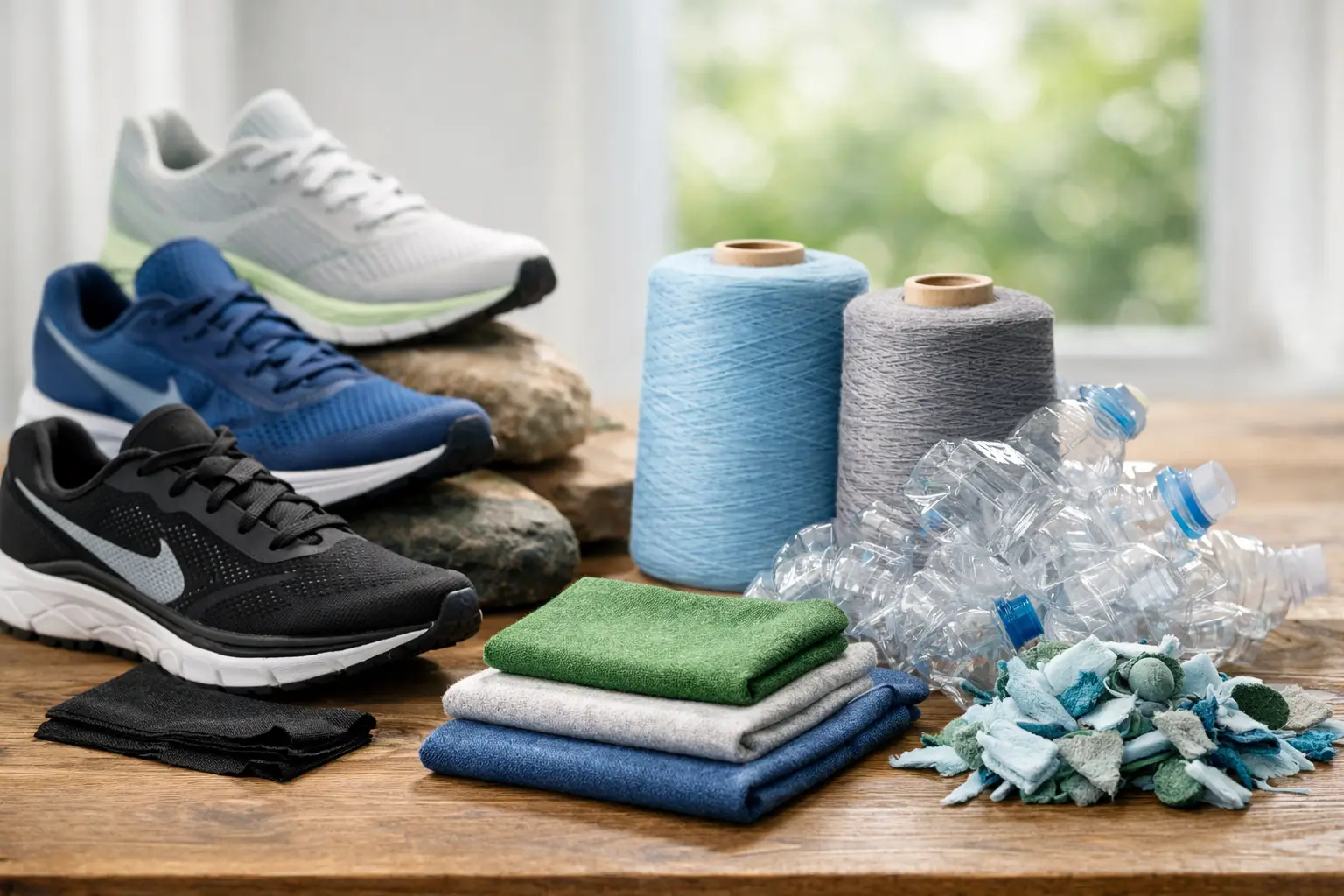
A running top can feel brilliantly light at kilometre one and become a soggy, rubbing nuisance by kilometre eight. That is why a recycled fabric comparison should start with performance, not marketing labels. The best lower-impact kit still has to manage sweat, move freely, survive regular washing and stay useful long after the first race photo.
At 4R, we believe runners should not have to choose between gear that works and choices that respect the planet. Fast fashion has trained people to treat clothing as disposable. Running kit deserves better. Buy less, use it harder, care for it properly and choose materials with a purpose.
What “recycled fabric” actually means
A recycled fabric is made partly or wholly from material that has already had a life. In sportswear, that commonly means recycled polyester made from used plastic bottles or production offcuts. Recycled nylon may come from industrial waste, discarded fishing nets or old textiles. Some regenerated cellulosic fibres are made from wood pulp or textile waste, though they are not always described as recycled in the same way.
The important detail is the feedstock and the process. A garment made with recycled polyester is not automatically biodegradable, plastic-free or impact-free. It can, however, reduce demand for virgin fossil-based raw materials and put existing waste to better use. That is a meaningful improvement when the fabric is made into a durable piece of kit you will wear repeatedly.
Look beyond a vague green claim. Useful product information states the fibre type, the recycled content percentage and how the garment should be cared for. Transparency is not a bonus. It is the minimum standard.
Recycled polyester: the dependable all-rounder
Recycled polyester is the most familiar option in running clothing, and for good reason. It is lightweight, quick to dry, durable and naturally suited to handling sweat. For everyday runners, it is often the fabric behind breathable tees, singlets, shorts and layers that need to be washed, dried and worn again without drama.
Its biggest strength is consistency. Recycled polyester holds its shape well, resists creasing and generally offers good colour retention. It is also relatively affordable compared with some specialist alternatives. That matters. Sustainable running clothing should be practical enough for regular training, not reserved for a few carefully chosen outings.
There are trade-offs. Polyester can hold on to odour more than some natural fibres, particularly when a top is repeatedly worn for hard sessions and washed at low temperatures. As a synthetic, it may also shed microfibres during washing. A cooler wash, a full load and a laundry bag designed to capture fibres can help reduce this. Most importantly, wear the garment for years rather than replacing it because a new colour has arrived.
For high-sweat training and changeable weather, recycled polyester is usually the sensible first choice. It earns its place through repeat performance, not novelty.
Best for
Recycled polyester works especially well for lightweight running tees, race-day singlets, training shorts, base layers and reflective outerwear. If you want reliable kit for several runs a week, it is difficult to beat for value and function.
Recycled nylon: tougher, stretchier, often pricier
In a recycled fabric comparison, recycled nylon is the tougher sibling. It is commonly used where abrasion resistance, softness and stretch matter most: leggings, fitted shorts, wind shells, waistbands and technical accessories.
Nylon has a smooth hand feel and can be exceptionally hard-wearing. That makes it a strong option for runners who train on trails, carry a belt or pack, or want tights that can cope with regular use without thinning too quickly. It is also often blended with elastane to create close-fitting garments that move with the body.
The downside is cost. Recycled nylon is often more expensive than recycled polyester, and nylon garments can take longer to dry depending on their construction. It remains a synthetic material too, so the same thoughtful washing habits apply.
Choose recycled nylon when durability is your priority and the garment has a demanding job to do. A pair of tights that lasts through many winter training blocks is better value, financially and environmentally, than several pairs that lose their shape after one season.
Natural and regenerated fibres: comfort with conditions
Natural fibres can sound like the obvious eco choice, but runners need the fuller picture. Conventional cotton absorbs a great deal of moisture and dries slowly. That can leave you cold, heavy and uncomfortable once sweat or rain arrives. It has a place in relaxed everyday wear, but it is rarely the strongest standalone choice for longer runs.
Merino wool is a different proposition. It can regulate temperature, resist odour and remain comfortable across a wider range of conditions than cotton. It is excellent for easy runs, hiking, winter layers and multi-day travel. Yet it may not suit everyone for intense sessions, as it can feel warmer, dry more slowly than synthetics and requires careful care to stay at its best.
Regenerated cellulose fabrics, such as lyocell, are soft and breathable. They can improve next-to-skin comfort when blended with recycled polyester, particularly in lifestyle-active pieces and lighter training tops. Their weakness is that they may not match synthetic fibres for durability or moisture management in a soaking-wet interval session.
There is no single winner. The right fabric depends on where you run, how hard you train and whether you want a garment for one specific purpose or many.
The recycled fabric comparison runners should make
Do not compare fabrics only by their origin story. Compare the complete garment. A recycled polyester top with poor seams, a loose neckline and a short lifespan is not the sustainable choice. Nor is a premium natural-fibre layer that spends most of its life in a drawer because it does not suit your actual running routine.
Ask four practical questions before buying:
- Will it suit the temperature, distance and intensity of my regular runs?
- Is the fit designed to prevent rubbing, riding up or restricting movement?
- Can I wash and wear it often without losing shape or performance?
- Will I realistically still use it next year?
Those questions cut through the noise. A garment’s lowest-impact moment is not when it is photographed on a product page. It is every time you reach for it instead of buying another replacement.
Fabric blends deserve attention too. Recycled polyester with a small amount of elastane can create a flexible, supportive fit. Recycled nylon blended with elastane can make durable tights and fitted shorts. Blends are sometimes harder to recycle again at the end of life, but that does not make them automatically a poor choice. If the blend dramatically improves fit and extends the life of the garment, it may be the more responsible option in real-world use.
Performance details matter as much as fibre choice
The fabric label is only one part of the story. For runners, construction can decide whether a garment becomes a favourite or gets abandoned after two outings. Flat or carefully positioned seams reduce friction. A stable waistband stops distraction. A breathable weave helps heat escape. Reflective details improve visibility when dark mornings and evenings take over.
This is where cheap, disposable sportswear usually gives itself away. It may imitate the look of performance kit but skip the details that make it reliable over time. A bargain is not a bargain if it chafes, goes sheer, loses elasticity or needs replacing before the year is out.
From Newry to runners across the UK, Europe and beyond, the weather is another reason to choose function first. One run can include wind, drizzle and unexpected sunshine. Build a smaller kit rotation with layers that work together: a quick-drying recycled polyester tee, durable shorts or tights, and an outer layer matched to the conditions. That is a smarter wardrobe than a pile of single-use gym tops.
Make better fabric choices last longer
The most sustainable kit is the kit you keep using. Wash running clothes after use when needed, but avoid needlessly harsh cycles. Turn garments inside out, use a cooler wash, skip fabric softener and air dry where possible. High heat can weaken elastic fibres and shorten the useful life of technical clothing.
Treat stains early, repair small holes and do not bin a garment simply because it is no longer race-day sharp. An older tee can remain ideal for easy miles, strength sessions or walking. When it finally reaches the end of its usable life, check whether local textile collection schemes can take it.
Your running wardrobe does not need to be huge to be capable. Choose recycled fabrics with clear eyes, match them to the job and expect them to go the distance. Every run in gear you trust is one less vote for disposable fashion.