

Blog
How to Wash Anti Chafe Clothing Without Ruining It

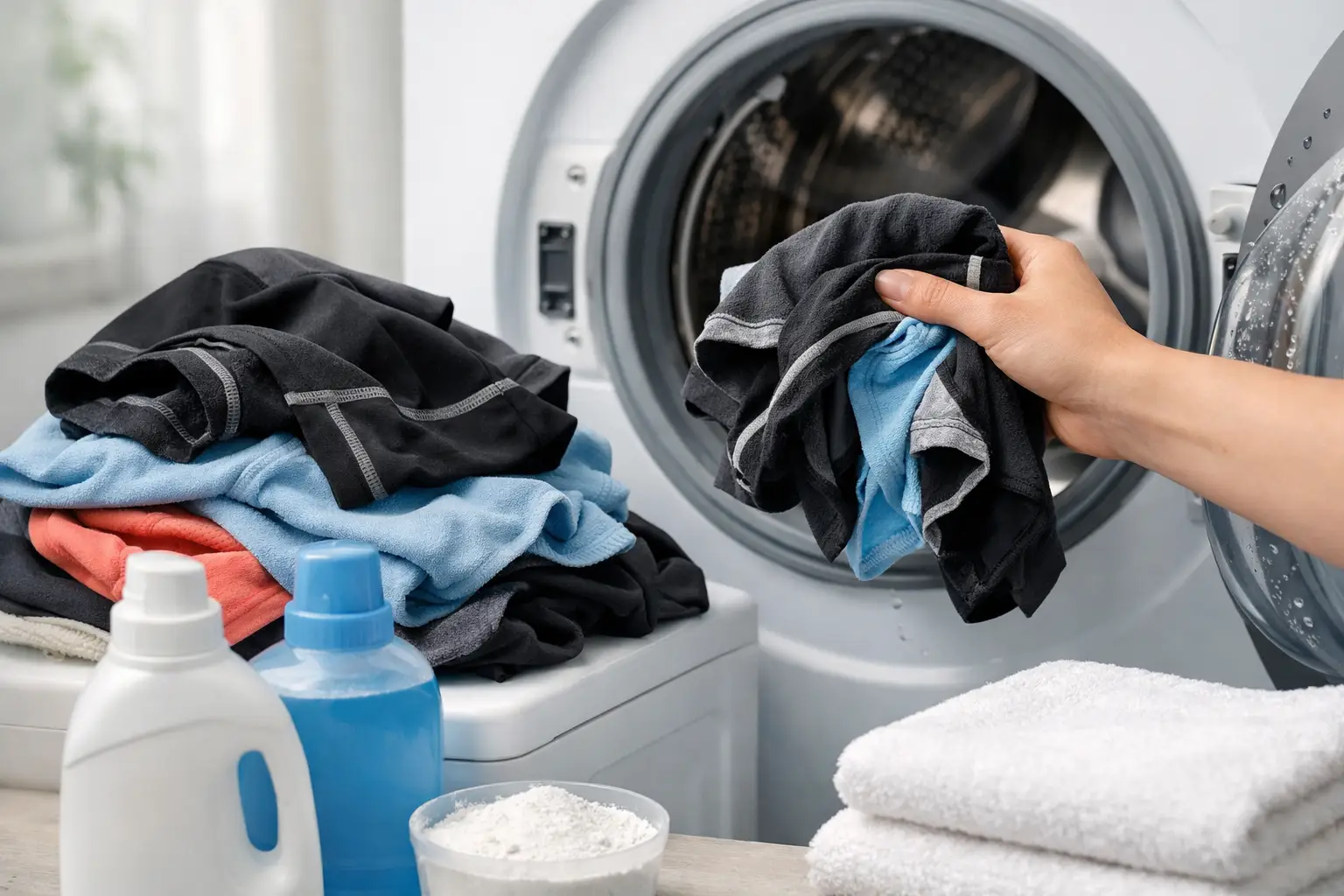
That favourite pair of running shorts only prevents chafing when the fabric is clean, supportive and able to move with you. Knowing how to wash anti chafe clothing is not fussy kit maintenance. It is how you protect the close-fitting panels, soft seams and stretch fibres that make hard miles more comfortable.
Sweat, body oils, sunscreen and anti-chafe balm all build up over time. Leave them in the fabric and your kit can start to smell, feel less breathable or lose the smooth finish that stops rubbing. The answer is not a scorching wash or a heavy dose of detergent. It is a consistent, gentler routine that keeps high-performance clothing doing its job for longer.
Check the care label before anything else
Anti-chafe clothing is not one single fabric. It may be made from recycled polyester, polyamide, elastane, merino blends or several fabrics in one garment. Compression shorts and tights often have a high elastane content, while running tops may use delicate mesh panels to move sweat away from the skin. The care label is the final word because the right temperature and drying method can vary.
As a general rule, wash technical running kit at 30°C on a gentle or sportswear cycle. Cooler water is kinder to elastic fibres and uses less energy than a hot wash. It is also usually enough to remove everyday sweat and dirt when you use the correct detergent and do not allow damp kit to sit for days.
Turn garments inside out before washing. This protects the outer face of the fabric from abrasion, while allowing sweat, oils and deodorant residue close to the skin-contact side to wash away properly. Close zips, fasten hook-and-loop tabs, and keep delicate running pieces away from rough items such as jeans, towels and anything with exposed hardware.
How to wash anti chafe clothing after a run
Start by taking your kit out of the running bag as soon as you can. If you cannot wash it straight away, hang it up to air dry rather than leaving it bundled in a damp heap. A closed gym bag is an ideal breeding ground for the bacteria behind stubborn odour.
For a normal training session, turn the garment inside out and wash it at 30°C with similar lightweight synthetics. Use a small amount of liquid detergent intended for sportswear or delicate fabrics. Powder can sometimes leave particles behind in low-temperature washes, especially if your machine is full or the water is hard.
Avoid overloading the drum. Technical fabric needs water moving through it to rinse properly. Cramming in a week’s worth of washing may feel efficient, but it can leave detergent and sweat residue behind – exactly what you are trying to avoid.
If you have used anti-chafe balm, give high-friction areas a quick rinse in cool water first. Pay attention to inner thighs, underarms, bra bands, waistbands and seams. Most balm residue will come out in a normal wash, but a short pre-rinse stops it building up over repeated wears.
For kit that smells even after washing
Persistent odour does not always mean the item is worn out. More often, detergent, fabric conditioner and body oil have coated the fibres, trapping odour-causing bacteria. Rewash the piece inside out on a gentle cycle with sports detergent, using the recommended amount rather than adding extra.
For a deeper refresh, soak the garment according to the detergent instructions before washing. Do not reach automatically for bleach or very hot water. Both can damage colour, elastane and technical finishes, and they are far harsher than most running kit needs.
If the smell remains after a careful deep clean, assess the garment honestly. A well-made piece should earn plenty of miles, but no fabric lasts forever. The goal is to extend the useful life of each item, not to keep worn-out kit in service once its support and comfort have gone.
Skip fabric conditioner and harsh stain removers
Fabric conditioner is a poor match for anti-chafe running clothing. It coats fibres to create a soft feel, but that coating can reduce moisture-wicking performance and leave the fabric less able to breathe. It may also cause a residue that holds odours in place. Your kit should feel clean and smooth because the fabric is functioning well, not because it has been heavily scented.
Strong stain removers, chlorine bleach and aggressive household cleaners can be equally unhelpful. They may fade bright colours, weaken stretch fibres and irritate sensitive skin when residue remains. For mud or grass marks, rinse with cool water and work a small drop of detergent gently into the area before washing. For sunscreen or body-oil marks, treat the spot promptly rather than baking it in with heat.
This is one of the simplest ways to buy less and get more from what you already own. Fast fashion encourages us to replace performance clothing at the first sign of trouble. A more responsible approach is to care for dependable gear properly, repair what can be repaired and replace it only when it no longer performs.
Drying anti-chafe running kit properly
Air drying is the safest default. Reshape shorts, tights, tops and base layers while damp, then hang them in a ventilated space away from direct, intense heat. This helps preserve elasticity and reduces the chance of shrinking or warping bonded seams.
A tumble dryer is usually the riskier choice, particularly for anything containing elastane. High heat can slowly break down the stretch that keeps a garment close to the body. Once that fit loosens, fabric can bunch and rub, undoing the anti-chafe benefit you bought it for.
Drying outside can work brilliantly, but do not leave bright technical fabrics in harsh sun all day. Sunlight can fade colours and prolonged exposure is not ideal for elastic fibres. In damp Northern Irish weather, an indoor drying rack near good airflow is often the more practical option.
Never iron anti-chafe clothing unless its care label specifically says it is safe. Heat can damage prints, reflective details and synthetic fibres. Most technical pieces dry quickly enough that ironing is unnecessary anyway.
Wash less often, but not too little
There is a sensible middle ground between washing every item after a gentle walk and wearing sweaty compression gear repeatedly. Clothing that sits directly against high-friction areas – underwear, running shorts, tights, sports bras and fitted base layers – should generally be washed after every run. Clean fabric is less likely to hold sweat, salt and balm residue against your skin.
Looser outer layers can sometimes be aired and worn again if they are dry, odour-free and did not have direct skin contact. It depends on the session, the weather and how much you sweated. A rainy easy run and a humid tempo session do not create the same laundry load.
Use a mesh wash bag for lighter pieces, especially garments with reflective transfers, fine mesh or delicate straps. It is a small protective step that prevents snagging and helps keep matching items together. Keep anti-chafe balm separate from the laundry itself – it belongs on clean, dry skin before a run, not in the wash cycle.
A low-waste routine that works
A short post-run habit is better than an elaborate laundry ritual you will not maintain. Air kit promptly, wash close-fitting pieces at 30°C with a modest dose of suitable detergent, skip conditioner, then air dry. That is enough for most runners, most of the time.
At 4R, we believe practical running gear should help you move freely without creating needless waste. Looking after anti-chafe clothing means fewer premature replacements, fewer disappointing runs and more value from every garment in your rotation.
Treat your running kit like the useful piece of equipment it is. A little care after the miles gives it the best chance of staying smooth, supportive and ready when your next run calls.