

Blog
How to Store Running Lights Between Runs

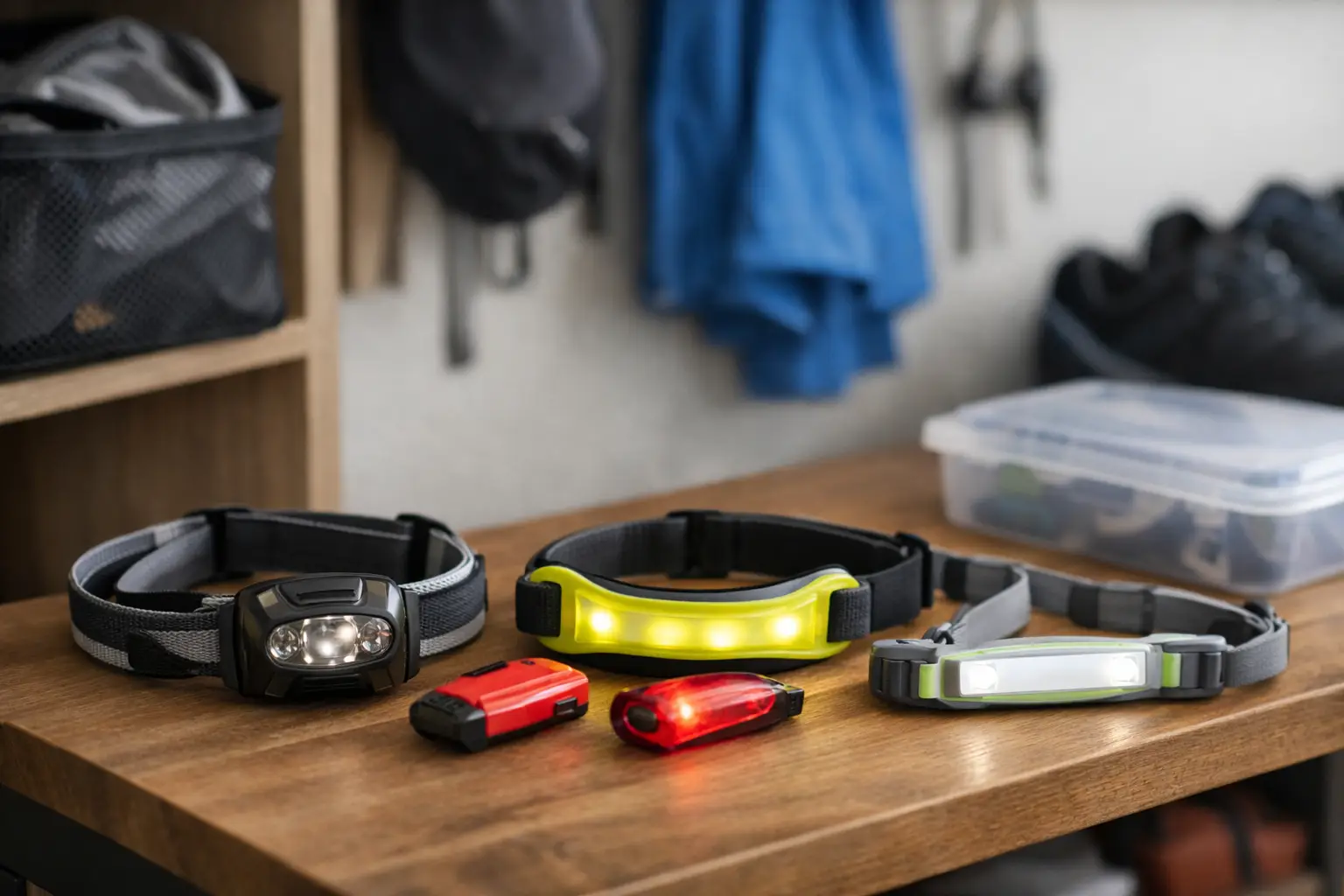
A running light that fails halfway through a dark route is more than annoying. It can leave you hard to see on a country lane, a busy pavement or a wet park path. Knowing how to store running lights properly helps protect battery life, keeps straps and casings in good condition, and means your kit is ready when an early morning or evening run calls.
Good storage is not about buying more gear or treating every light like a fragile gadget. It is about a simple routine: clean it, dry it, charge it sensibly and put it somewhere safe. That is how dependable kit earns its place in your running drawer rather than becoming another disposable purchase.
How to store running lights after a run
Start before you put the light away. Sweat, rain, road spray and energy-gel residue can all build up on a head torch, LED chest light or reflective vest light. Most running lights are designed to handle poor weather, but waterproof does not mean they should be stored wet for days.
Wipe the housing, lens and charging-port cover with a soft, dry cloth. If the strap is particularly sweaty or muddy, follow the care instructions for the specific product. Usually, a gentle wipe with a damp cloth is enough. Avoid soaking electronic parts or using harsh cleaning products, which can damage seals and cloud a clear lens.
Then leave the light somewhere airy until it is completely dry. Do not zip a damp chest light into a running belt, squash it into a kit bag or leave it in the pocket of your jacket. Trapped moisture can cause corrosion around charging contacts, create unpleasant smells in fabric straps and shorten the useful life of the gear.
Once dry, store it in a clean, dry place at room temperature. A drawer, shelf, dedicated kit box or breathable pouch works well. Keep it away from direct sunlight, radiators, window ledges and freezing sheds. Extreme heat is especially hard on rechargeable lithium-ion batteries, while prolonged cold can reduce their available charge until they warm up again.
Protect the battery, not just the light
Rechargeable running lights make practical, lower-waste sense. They save you repeatedly buying and binning single-use batteries, but they still need sensible care. The battery is usually the part most affected by poor storage habits.
For a light you use several times a week, charging it after a run is perfectly reasonable. Let it cool and dry first, then use the correct cable and a suitable power source. Do not charge it on a bed, sofa or under a pile of clothes. Use a hard, clear surface and unplug it once it has finished, unless the manufacturer specifically states that the light has protection designed for long-term connection.
If you will not use the light for several weeks, do not store it completely empty. Aim for a partial charge, roughly around half to three-quarters, where possible. A battery left flat for a long time may fall into deep discharge and struggle to recharge. At the other extreme, leaving it permanently at 100% in a hot place can gradually reduce its capacity.
Check stored lights every couple of months. Turn them on, inspect the casing and make sure there is no swelling, leaking, unusual heat or damaged cable. If a rechargeable battery appears swollen or the device becomes excessively hot, stop using it. Do not try to repair a damaged battery yourself.
Remove disposable batteries for long breaks
Some compact safety lights still use replaceable batteries. If you are taking a long break from night running, remove them before storage. Even quality batteries can leak eventually, and leaked battery fluid can ruin contacts and plastic housings.
Keep spare batteries in their original packaging or a purpose-made battery case. Loose batteries should never rattle around beside coins, keys or metal objects, which could connect the terminals and create a fire risk. Store them in a cool, dry cupboard, well out of reach of children and pets.
Give straps, clips and lenses room to last
It is easy to focus on the electronics and forget the parts that make a running light comfortable to wear. Elastic headbands and chest straps lose their shape faster when they are continually stretched, twisted or stored damp. Loosen adjustable straps before putting the light away rather than leaving them tightened at your running fit.
Avoid tightly wrapping a strap around the light unit or cable. It may seem tidy, but repeated sharp bends can weaken elastic, stress clips and put pressure on charging ports. Lay the strap flat, or fold it loosely in a pouch or drawer.
Protect the lens too. A scratched lens can scatter light and reduce useful visibility, even when the LEDs are working perfectly. Keep the light separate from keys, tools and loose change. If you carry your kit to work or travel with it, a small soft pouch makes a real difference without adding clutter.
For clip-on lights, check the clip and attachment point before every few runs. Dirt caught in a clip can make it less secure, and a cracked mount is not something to ignore when you are relying on it beside traffic. Reliable visibility comes from the whole setup, not simply the brightest setting.
Build a storage spot that supports your routine
The best place to store a running light depends on when you run. If most of your miles happen before sunrise, keep your light near your shoes, reflective layer and running socks. Making it visible at home makes it far less likely that you will set out without it.
For evening runners, a simple charging station near your usual kit drop can work well. Keep cables organised and use one place for your head torch, chest light and reflective accessories. You do not need a drawer full of duplicates because the first one has disappeared under a pile of laundry.
A small dedicated box is useful for runners sharing a home, travelling regularly or storing seasonal kit. Include the light, charging cable, a clean cloth and any spare batteries. Label the cable if your household has several similar leads. That small act prevents the familiar pre-run scramble for a charger that has wandered off to another room.
At 4R, we believe practical gear should work hard for longer. Storing your running lights properly is a simple way to get more use from what you already own, cut avoidable waste and stay ready for the miles that fit around real life.
Storage mistakes that shorten a light’s life
A few habits create most avoidable problems. Leaving a light in a hot car is a common one. Even on a mild day, the temperature inside a parked car can rise quickly, putting unnecessary strain on batteries and plastic components.
Another is putting a wet light straight on charge. Water around the port can interfere with charging and, in the worst case, damage the connection. Dry the unit fully, check the port cover and cable end, then charge it.
Also resist the temptation to store a light at the bottom of a gym bag indefinitely. The bag is often humid, full of abrasive items and easy to forget. If your light stays there between runs, it is more likely to be flat, scratched or tangled when you need it.
Finally, do not treat a dimming light as an excuse to buy a replacement straight away. Clean the lens, inspect the charging lead, recharge fully and check the battery condition first. Durable running gear deserves a fair chance to keep doing its job.
Before a dark run, make a quick check
Storage does the background work, but a ten-second check before heading out keeps you safer. Switch the light on, cycle through its settings and make sure the beam or LEDs are bright enough for the conditions. Check that the strap, clip or vest attachment is secure, and choose a mode that helps others see you without dazzling people nearby.
For unlit routes, carry enough charge for the full run with some margin for delays. For well-lit urban routes, a chest or clip-on light may be more about being seen than lighting the ground. The right setup depends on your route, weather, pace and the amount of traffic around you.
A well-stored running light is quiet confidence in your kit drawer: charged, clean and ready to help you keep moving when the daylight does not.