

Blog
How to Choose Elastic Laces for Running Shoes

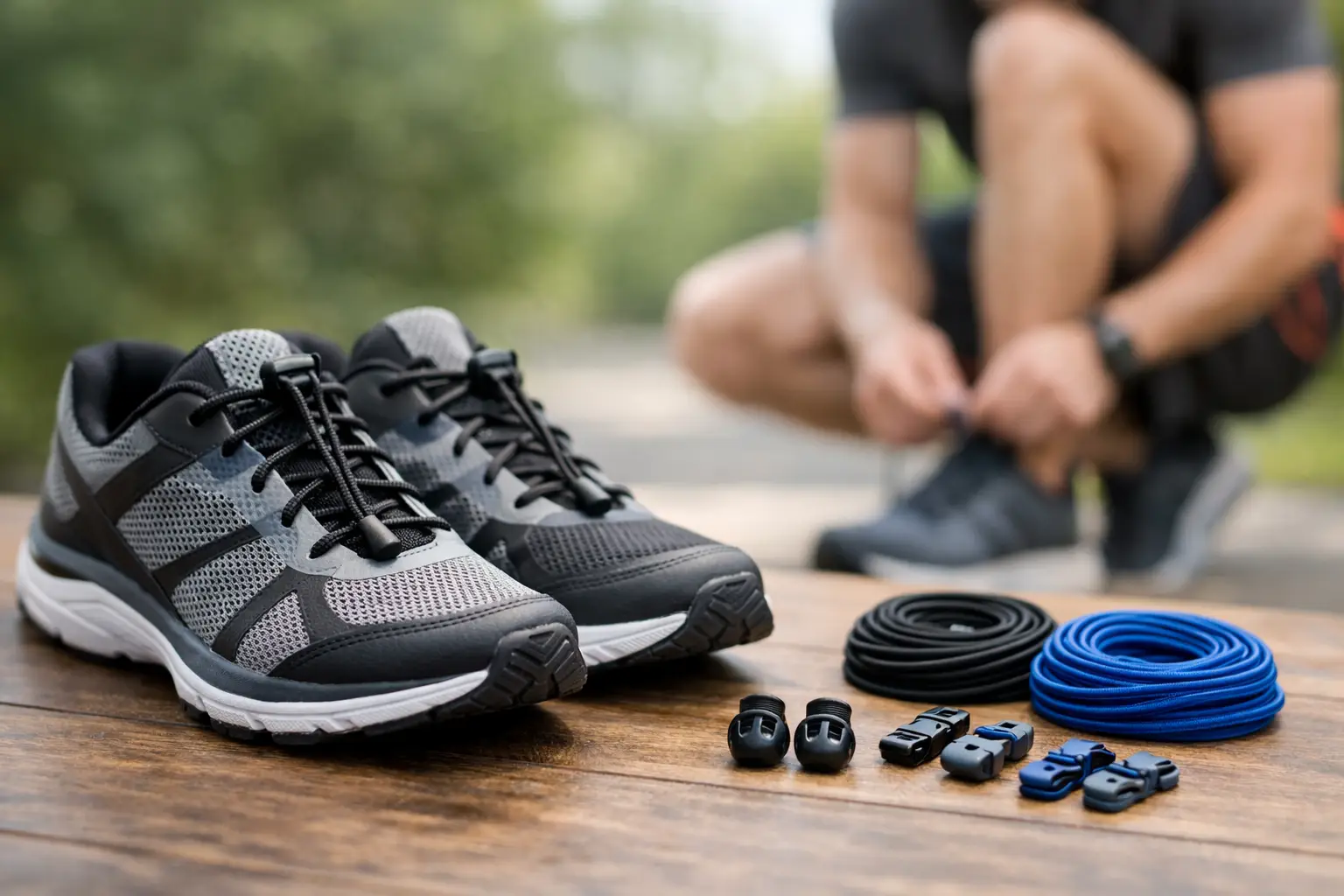
A lace that comes undone at kilometre three can ruin a perfectly good run. So can a shoe that feels secure on the pavement but squeezes your forefoot when your feet warm up. Knowing how to choose elastic laces means solving both problems with one small, practical upgrade.
Elastic laces replace the repeated stop, bend and retie routine with consistent tension. They can make getting out the door faster, help shoes fit more comfortably and keep your focus where it belongs: on the run ahead. But they are not all made alike. The best choice depends on your shoe, your foot shape and the way you train.
How to Choose Elastic Laces for Your Running Style
Start with the job you need the laces to do. For most everyday runners, elastic laces should hold the heel securely while allowing room for natural foot expansion. That balance matters more than a fancy lock or a bright colour.
If you run short, easy routes and want footwear that is simple to pull on, a standard stretch lace with a reliable toggle is usually ideal. Set the tension once, trim the excess if the design allows it, and your shoes are ready for the next session.
For longer runs, hilly routes or faster training, look for firmer elastic with less bounce. Very soft, highly stretchy cord can feel comfortable at first but may allow the foot to shift inside the shoe on descents or sharp turns. A little give is useful. Too much can lead to rubbing, hot spots and a less confident stride.
Elastic laces are also a strong option for walkers, gym-goers, triathletes and anyone with limited hand mobility. The right pair should make your shoes easier to use without making them feel loose or flimsy.
Choose the right stretch level
There is no single perfect level of stretch. Your running shoe and your feet decide it.
Runners with wider feet, high insteps or feet that swell noticeably over distance often benefit from laces with more elasticity. The stretch eases pressure across the top of the foot as your body warms up. This can be especially welcome on summer runs, long road sessions and recovery days when comfort comes first.
Runners with narrow feet or a history of heel slip should favour a firmer cord. It provides a more locked-in feel and is less likely to lose tension over time. You can still enjoy the convenience of no-tie laces, but your shoe should not become a slipper.
A useful test is to put the shoe on and walk briskly for a few minutes before running. Your toes should have space to move, your heel should stay planted, and the top of your foot should not feel compressed. Then jog, turn and run downhill if you can. A fit that feels fine standing still can reveal its weaknesses as soon as the pace changes.
Match the Lace Shape to Your Shoe Eyelets
Elastic laces usually come in round or flat designs. This is a small detail with a real effect on feel and durability.
Round elastic laces are common because they slide easily through eyelets and work well with most trainers. They are quick to install and pair naturally with toggle locks. Their smooth profile suits runners who want a clean, uncomplicated setup.
Flat elastic laces spread pressure over a wider area, which some runners prefer when the top of the foot is sensitive. They can also resemble standard laces more closely, making them a good choice if you want the no-tie benefit without changing the look of your shoes too much.
Check your existing laces before buying. Narrow eyelets may suit a slimmer round cord, while broad fabric loops or larger eyelets can accommodate a wider lace. Forcing a thick lace through a tight eyelet can damage the lace covering and turn a durable purchase into needless waste.
Length matters too. Most elastic laces are made long enough for adult running shoes and can be cut to fit. Measure your current laces, or count the eyelet pairs on your trainers. A shoe with many eyelets, a high-volume upper or a non-standard lacing pattern may need more length than a minimalist road shoe.
Do not overlook the lock
The lock is the component that keeps your chosen tension in place. A poor one can turn good elastic cord into a frustrating accessory.
Look for a lock that is easy to adjust but does not release under pressure. It should sit comfortably on the tongue of the shoe and avoid sharp edges that could catch on socks or irritate the foot. Small details matter when the same point is moving with you for thousands of steps.
A spring-loaded toggle is fast and familiar, particularly for runners who want quick adjustments before a session. A screw or clip-style lock can offer a more fixed setup once fitted. Neither is automatically better. Choose a toggle if you expect to alter tension often, and a more permanent fastening if you want to set it once and forget it.
After fitting, pull firmly on both lace ends and run your fingers around the lock. If it slips, twists or feels fragile before you leave the house, it is unlikely to improve in rain, mud or a hard tempo effort.
Prioritise Durability Over a Cheap Fix
No-tie laces may be a small purchase, but buying disposable accessories again and again is not good value and is not good for the planet. A low price means little if the elastic frays after a few weeks, the outer coating cracks or the lock fails halfway through a run.
Choose laces with a resilient elastic core and a tough outer weave. The material should recover after being stretched rather than staying thin and elongated. Good laces retain their tension through repeated use, weather changes and ordinary washing.
Think about where you run. Trail runners need laces that can handle grit, water and mud without becoming difficult to adjust. Road runners may place more value on a low-profile lock that will not press against the foot during repetitive pavement miles. If you run before work, commute on foot or use the same shoes for the gym, durable cross-functional gear makes more sense than a drawer full of single-purpose products.
That is the standard worth demanding. At 4R, based in Newry, we believe useful running kit should earn its place through dependable performance, not fast-fashion churn. A well-made pair of elastic laces can extend the everyday usefulness of shoes you already own, rather than sending you searching for a replacement at the first inconvenience.
Fit Elastic Laces Properly Before Your First Run
Even the best elastic laces need a careful first fitting. Wear the socks you normally run in, because sock thickness changes how the shoe feels. Lace from the bottom up as you would with regular laces, keeping the tension light and even across each set of eyelets.
Before securing the lock, stand with your weight evenly distributed. Flex your knees, lift your heels and make sure your toes are not touching the front of the shoe. Tighten gradually until your heel feels stable, not trapped. If you use a heel-lock lacing pattern with normal laces, you can often recreate it with elastic laces by using the top eyelets before fitting the lock.
Do not cut the lace immediately. Leave extra length for a few runs while you learn how your feet respond. Your preferred tension may change after a wet run, a long session or the first warmer day of the year. Once the fit is proven, trim carefully and finish the ends as directed by the lace design.
Check the setup after your first two or three runs. Watch for numb toes, pressure marks across the foot, heel movement and any rubbing around the tongue. These are adjustment signals, not reasons to abandon elastic laces altogether. Loosen one section, tighten another, or change the lacing path until the shoe works with your foot.
When Elastic Laces May Not Be the Best Choice
Elastic laces are convenient, but conventional laces can still be better for some situations. If you need highly precise, zone-by-zone tension for racing, technical mountain terrain or a shoe with an unusual upper, standard laces may give you more control. They are also easier to replace individually if a specific lacing method is central to managing an injury or pressure point.
Likewise, do not use elastic laces to compensate for a poorly fitting running shoe. If your toes are cramped, your heel constantly lifts or the shoe feels wrong before lacing, the problem is probably the shoe shape or size. Laces can fine-tune fit, but they cannot rebuild an unsuitable trainer.
Choose elastic laces that match the demands of your actual miles, fit them with patience and give them a proper test close to home. When your shoes stay secure, comfortable and ready to pull on, one less obstacle stands between you and the run you promised yourself.