

Blog
Your Guide to Garment Care Labels for Runners

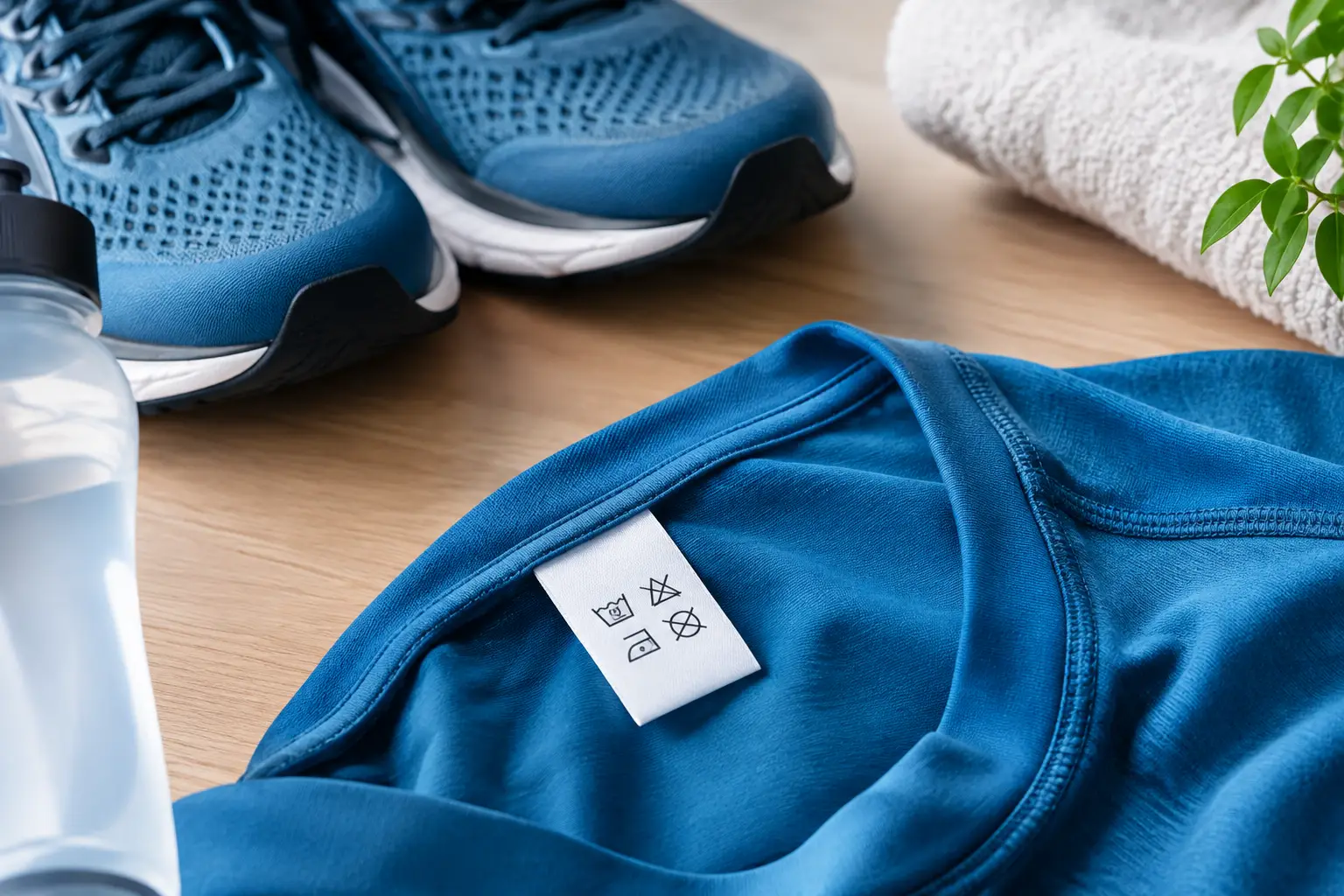
That favourite running top that suddenly holds odour, feels stiff at the shoulders or loses its stretch did not necessarily wear out on the road. It may have been beaten by the wash. This guide to garment care labels gives you the confidence to read the small print, protect the kit you rely on and keep good gear out of the bin for longer.
For runners, care labels are performance instructions, not paperwork. Sweat, salt, body oils, mud, rain and repeated washing all test a garment. The right routine keeps technical fabrics breathable, elastic panels supportive and reflective details working when the light drops. It also makes a practical stand against disposable sportswear. We need fewer garments that fail early, not more of them.
Your guide to garment care labels for running kit
Start with the label sewn into the garment, rather than treating every piece of kit the same. A lightweight polyester tee, a merino base layer, a water-repellent jacket and compression tights may all look like running clothes, but their fibres and finishes need different treatment.
Most labels combine written instructions with internationally recognised symbols. Read them as a sequence: washing, bleaching, drying, ironing and professional cleaning. If the wording and symbol seem to conflict, follow the more cautious instruction. The maker knows the fabric blend, bonded seams, print, reflective finish and trims better than a generic laundry setting does.
A crossed-out symbol means do not use that method. It is not a suggestion to ignore when you are in a rush. One overly hot tumble-dry cycle can damage elastane, crack a logo or weaken heat-bonded details that have survived hundreds of kilometres.
The five symbols worth knowing
You do not need a laundry degree to understand a care label. Learn these five symbol groups and you can make smart decisions for almost every item in your running drawer:
- The wash tub tells you whether the garment can be machine-washed, hand-washed or must not be washed in water. A number in the tub is the maximum wash temperature. A line beneath it means use a gentler cycle.
- The triangle covers bleach. A plain triangle permits it, but most running kit is safer without bleach. A crossed triangle means never use it.
- The square is for drying. A circle inside the square means tumble drying is allowed, while dots indicate the heat level. A crossed symbol means air-dry instead.
- The iron shows whether ironing is permitted. Dots indicate heat, and a crossed iron means keep it away from direct heat.
- The circle refers to professional dry-cleaning. This is uncommon for everyday running layers, but it matters for some insulated or specialist outerwear.
The temperature on the wash tub is a maximum, not a target. If a shirt can be washed at 40°C, a 30°C cycle will often be enough for a normal post-run wash and puts less strain on fibres. Save higher temperatures for genuinely dirty kit where the label permits it.
Why technical running fabrics need different care
Synthetic performance fabrics are brilliant at moving moisture away from the skin, but they can trap oils and odour if washed badly. Too much detergent can leave a coating that reduces wicking. Fabric conditioner can create the same problem, leaving a residue that makes a once-breathable top feel less effective.
Use a modest amount of liquid detergent, preferably one without added softener, and turn garments inside out before washing. This protects printed graphics, reflective elements and the outer surface of the fabric from rubbing against zips, Velcro and rougher items in the drum. Close zips, secure hook-and-loop fasteners and avoid washing a delicate running top with towels, jeans or heavy cotton hoodies.
Elastane deserves special care. It gives leggings, fitted shorts and supportive layers their recovery, but high heat is its enemy. If the label permits tumble drying, it may still be wiser to air-dry when you can. The trade-off is time: a dryer is convenient after a wet run, while line drying asks for a little planning. For the lifespan of stretch fabrics, planning usually wins.
Merino needs a different mindset. It naturally resists odour, so it often does not need washing after every easy outing. Air it out first, then wash cool on a wool or delicate cycle with a wool-safe detergent when needed. Never assume wool and synthetic blends can take the same treatment as a standard gym tee. Check the label every time.
Washing after a run without wrecking your kit
Do not leave sweaty clothes compressed in a kit bag until the weekend. That is where bacteria and odour settle in, particularly in synthetics. If you cannot wash them straight away, turn them inside out and hang them somewhere with airflow. Even a quick rinse after a muddy or salty session is better than letting grime dry into the fibres.
For most everyday running clothing, a cool or 30°C gentle wash is the reliable default, provided the label allows it. Separate lights from darks, but also separate technical garments from lint-heavy cotton. Small loads are useful when you have several delicate items, although there is a sensible environmental balance to strike. Do not run a half-empty wash for one top unless it is urgent. Wait until you have enough similar kit for an efficient load.
Skip fabric conditioner. It can reduce moisture management and affect water-repellent finishes. Avoid chlorine bleach unless the label explicitly allows it, which is rare for performance apparel. If odour persists, first check whether you are overdosing detergent or packing damp gear away. More product is not always the answer.
For stubborn smells, a sports-wash product used exactly as directed can help. But be realistic: no wash routine can reverse fabric that is permanently worn thin, sun-damaged or saturated with years of residue. Caring well from the first run is far cheaper and less wasteful than trying to rescue neglected kit later.
Jackets, reflective details and water-repellent finishes
Running jackets need the closest attention to their specific labels. Many are made with durable water-repellent finishes, membranes, taped seams or coated fabrics. Standard detergent residue and conditioner can interfere with how these surfaces perform. Some jackets need a specialist cleaner; others require a low-heat tumble dry to reactivate a water-repellent finish. The label decides.
Wash jackets only when they are dirty or no longer performing as intended, rather than automatically after every short run. Dirt and body oils can compromise breathability, but over-washing is not harmless either. Empty pockets, fasten zips, wash inside out and keep them away from rough laundry that could damage the face fabric.
Reflective prints and trims help you be seen, but they are not indestructible. Turn the garment inside out, avoid high heat and never iron directly over reflective areas. Check reflective pieces under a bright light before darker runs. Care labels can preserve visibility, but they cannot make a damaged safety feature reliable again.
Drying and storing performance clothing
Air-drying is usually the safest option for running kit. Reshape garments while damp, dry them away from direct radiators and strong sunlight, and give them room for air to circulate. Heat can shrink natural fibres, degrade elastane and make technical coatings less dependable.
There are exceptions. A label may permit low-heat tumble drying, and certain water-repellent jackets benefit from it. Follow that instruction precisely rather than applying a blanket rule. Garment care is not about being precious with every item. It is about giving each fabric the treatment it was built for.
Once dry, store kit clean and completely dry. Do not seal damp layers in a gym bag or leave a jacket crumpled in the boot of the car. For off-season storage, fold clean tops and tights, and hang jackets if space allows. Keep them away from prolonged heat and direct sunlight, which can fade colour and weaken elastic fibres over time.
At 4R, we believe dependable running gear should earn its place in your wardrobe through repeated use, not a short-lived trend. The care label is part of that promise. Read it before the first wash, build a simple routine around it and let every well-looked-after mile prove that performance and lower waste can run together.