

Blog
What Is the Future of Ethical Running Gear?

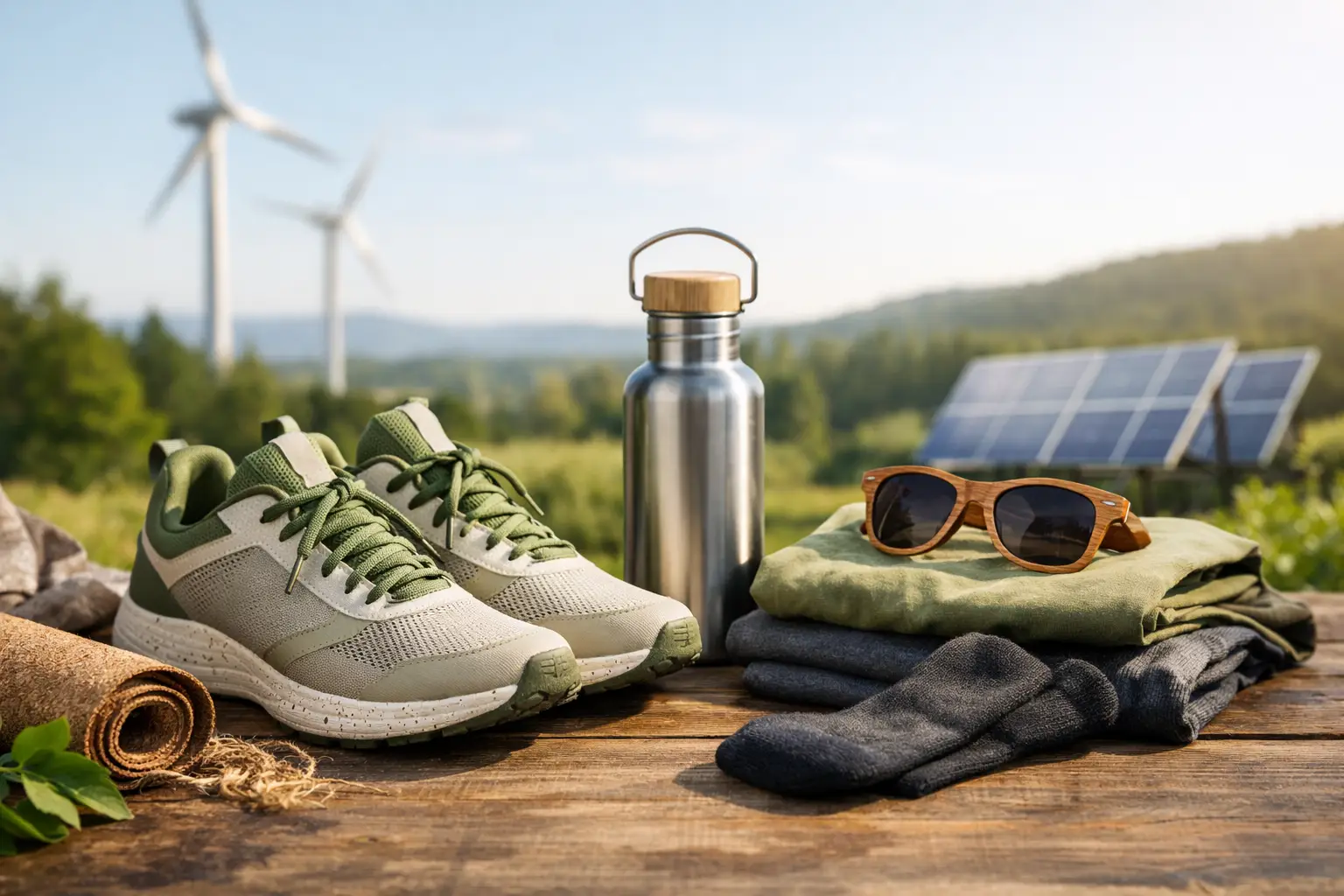
A running top that loses its shape after a few washes is not a bargain. A headlight that dies halfway through a dark winter route is not functional. And a drawer full of cheap kit you barely wear is not progress. The future of ethical running gear is about making every item work harder: for your training, your budget and the planet.
For too long, sportswear has borrowed the worst habits of fast fashion. Constant drops, artificial urgency and disposable fabrics have encouraged runners to buy more than they need. That model creates waste, hides weak supply chains and leaves people with gear that cannot keep up with real life.
Runners are starting to expect better. They want kit that feels good over the miles, lasts through regular use and comes with a clear answer when they ask how it was made. That is not a niche demand. It is where running gear needs to go.
The Future of Ethical Running Gear Means Fewer, Better Pieces
Ethical running gear will not be defined by owning the newest matching set. It will be defined by building a small, dependable rotation that earns its place.
A breathable layer should still perform after a season of training. A reflective vest should be easy to adjust, visible when it matters and sturdy enough for repeated early starts. No-tie laces should stay secure without becoming another throwaway accessory. The best products do one useful job exceptionally well, or work across several situations without compromise.
This is slow fashion with a runner’s mindset. It is not about being precious with your kit or refusing to replace what is worn out. Running puts clothing and accessories under real pressure: sweat, rain, road grit, repeated washing and long miles. It is about choosing products designed for that pressure, then using them fully before buying again.
There is a practical financial upside too. The cheapest item at checkout can become the most expensive if it needs replacing three times a year. Durable gear asks for better design from the start, but it can reduce the cost per run over time. For everyday runners, that matters far more than a logo or a short-lived trend.
Performance Cannot Be Sacrificed for Principles
Ethical choices should not mean accepting kit that rubs, slips, traps heat or lets you down after dark. If sustainable gear fails during a run, it fails the runner as well as the environmental claim.
The next generation of responsible running products must be judged on performance first. Clothing needs comfort, movement and sensible moisture management. Anti-chafe balm must stay effective when training gets warm or wet. Lighting needs reliable battery life and clear visibility. Reflective details need to do their job in actual low light, not merely look good in a product photograph.
This is where functional accessories deserve more attention. A rechargeable headlight can remove the repeated waste of disposable batteries, provided it is well made and has a battery that holds its charge. An LED chest light can help a runner be seen on unlit roads, but it must fit comfortably enough that it does not bounce or distract. Ethical design is not only about the material. It is about whether the product is useful enough to remain in your routine.
There are trade-offs. Recycled synthetics can give new purpose to existing waste and often deliver the durability runners need. Yet synthetic fabrics can still shed microfibres during washing. Natural fibres may feel excellent and have different end-of-life benefits, but they are not automatically the best option for every high-sweat, high-friction use. Honest brands should explain these choices rather than pretending one fabric solves every problem.
Transparency Will Become a Basic Expectation
Words such as “conscious”, “green” and “eco-friendly” are easy to print. They mean very little without evidence. The future belongs to brands that communicate plainly about materials, manufacturing, packaging, durability and the limits of what they currently know.
That does not require a glossy sustainability report full of vague claims. It requires useful detail. What is this item made from? Why was that material chosen? Is it built to be repaired, refilled or used repeatedly? What steps have been taken to avoid excessive packaging? Are workers in the supply chain treated fairly?
No clothing business is impact-free. Making products uses energy, water and raw materials. Shipping has a footprint. Returns create extra transport and waste. Trust comes from admitting that reality while taking meaningful action to reduce harm.
For 4R, being based in Newry is part of that practical approach. Serving runners across the UK and EU from a strategically connected location helps keep buying straightforward, while the bigger goal remains clear: useful gear that is made to stay in use, not disappear into landfill after a handful of runs.
Safety Gear Must Be Built for Real Conditions
Ethical running is not only a conversation about fabric. It is also about making it easier for people to run consistently and safely, whatever the season.
For many runners across Britain and Ireland, training happens before work, after dark or under a heavy grey sky. Visibility gear is not an optional extra in those conditions. It can give drivers, cyclists and other path users the extra moment they need to spot you. A reliable light or reflective strap can also make a nervous beginner feel more confident stepping out on a winter evening.
The ethical question is simple: will this product be used for years, or is it likely to become rubbish by spring? Rechargeable options, replaceable components where possible and hard-wearing straps all make a difference. So does avoiding gimmicks. A product does not need an app, ten flashing modes or unnecessary packaging to improve a run. It needs to be dependable when the weather turns and the route gets dark.
Buying Less Starts With Buying Smarter
The most responsible running purchase is often the one you do not make. Before adding another item to your basket, consider what problem it solves. If your current top is comfortable, functional and still in good condition, a new colourway is not a need. If you are starting to run in darker conditions, a rechargeable light might make a genuine difference to your safety and consistency.
A stronger buying habit is to choose versatile pieces. Look for layers that suit easy runs, walks and general training. Choose accessories that are simple to use and easy to keep close to hand. Prioritise fit, comfort and reliability over novelty.
Care also matters. Wash technical kit only when needed, follow the care guidance and avoid excessive heat where possible. Letting gear air dry can be kinder to fabrics and use less energy than repeatedly using a tumble dryer. Check lights before a run rather than discovering a flat battery two miles from home. These small habits extend the life of the products you already own.
Ethical Gear Will Become More Accessible
Sustainable products have often been presented as a luxury category, priced beyond the reach of ordinary runners. That approach will not change the industry at scale. Ethical gear must be affordable enough to become the normal choice, not a reward for people with spare cash.
Affordability does not mean racing to the bottom on price. It means fair value: products designed to last, sold with clear information and without the inflated cost of constant fashion cycles. It also means offering practical essentials alongside clothing. A runner might not need a new wardrobe, but they may need anti-chafe protection, secure laces or visibility equipment that helps them train safely tomorrow morning.
The brands worth backing will make it easier to choose well without making people feel guilty for having a budget. Progress is built through better everyday decisions, repeated by thousands of runners, not perfection from a select few.
The future will not be won by louder sustainability slogans or endless new collections. It will belong to gear that proves itself one run at a time: comfortable, visible, durable and honestly made. Choose the pieces that help you get out the door, look after them properly and keep moving with purpose.