
Blog
Ethical Factory Standards for Running Gear

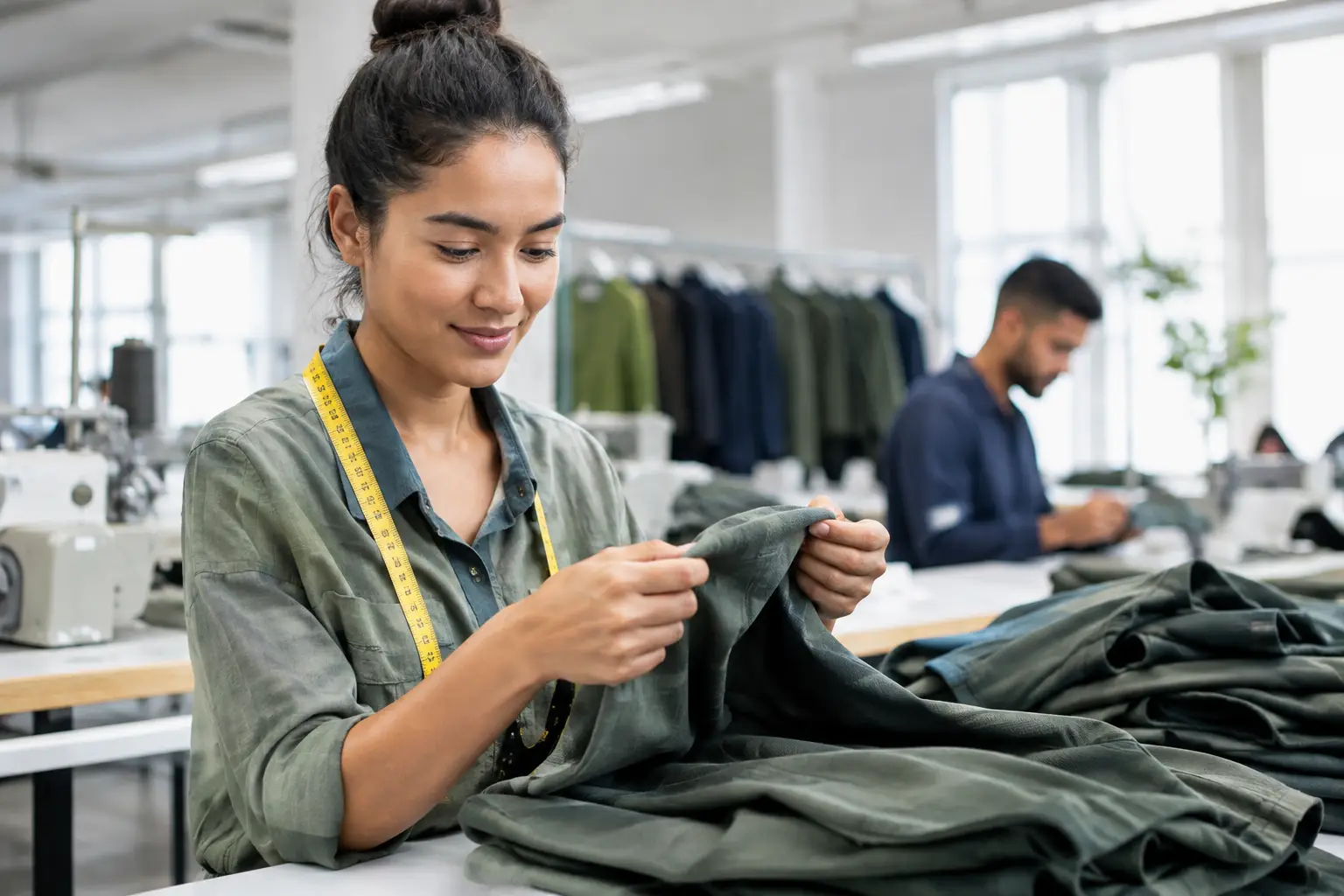
A running top can feel light on your shoulders while carrying a heavy cost elsewhere. Ethical factory standards are about making sure the people who cut, stitch, dye and pack your kit are treated with the dignity they deserve – not squeezed so a brand can sell another disposable “must-have”. For runners who care about performance and the planet, that matters as much as a comfortable seam or a reflective finish.
Fast fashion has trained us to expect endless choice, permanent discounts and clothing that barely needs to survive a season. That model is bad for workers, bad for resources and, frankly, bad value for anyone building a dependable running wardrobe. Better gear should earn its place mile after mile.
What ethical factory standards actually mean
The phrase can sound vague, which is convenient for brands that want the glow of responsibility without doing the work. In practical terms, ethical factory standards set expectations for how a workplace operates, how people are paid and protected, and how a supplier is held accountable.
At the very minimum, this means no forced labour, no child labour, safe working conditions, reasonable hours and fair, legal pay. It also means workers can raise concerns without intimidation, discrimination or retaliation. These are not premium extras. They are the baseline for making clothes and functional gear responsibly.
A credible approach goes further. It looks at whether workers have contracts they understand, whether overtime is voluntary and paid correctly, whether fire exits are clear, whether machinery is maintained, and whether people have a genuine route to representation. A clean factory floor and a polished social media post do not answer those questions on their own.
Safety is more than a checklist
Sportswear production can involve cutting equipment, high-speed stitching, heat pressing, printing chemicals and dye processes. Good safety practice includes training, protective equipment, ventilation, emergency procedures and enough time to do a job without dangerous pressure.
For a runner, this may seem far removed from a wet Tuesday evening training session. It is not. Every zip, seam and reflective detail has been handled by someone. When factories are pushed to produce more at the lowest possible cost, safety is often one of the first corners cut.
Fair pay needs a closer look
Legal minimum wage and a living wage are not always the same thing. Minimum wage is the legal floor set by a government. A living wage is what someone needs to meet ordinary costs such as food, housing, healthcare, transport and family needs in their area.
Brands should be honest about that distinction. Paying the legal minimum may meet a basic requirement, but it does not automatically mean a worker can live securely. Progress towards living wages is difficult, especially across international supply chains, but difficulty is not an excuse for silence or inaction.
Why ethical factory standards matter to runners
Running teaches patience. You do not build fitness from one heroic session. You build it through consistent choices: the steady run, the recovery day, the kit that still works when the weather turns. Buying less, choosing better and expecting decent production follows the same logic.
Ethical production is not a separate issue from durability. A factory given realistic lead times, stable orders and a fair price is better placed to focus on workmanship. One forced into last-minute volume at rock-bottom prices is more likely to face errors, rushed finishing and a workforce under strain.
That does not mean every ethically made item will last forever. Lightweight technical fabrics have trade-offs. A race vest designed to be barely there will not have the hard-wearing life of a heavier mid-layer. But brands should make those trade-offs clear and design for the job, rather than using “performance” as an excuse for short-lived products.
The goal is not a wardrobe full of expensive kit. It is a smaller, more useful rotation: clothing you reach for repeatedly, visibility gear you trust after dark, and practical accessories that solve a real problem. That is the opposite of buying three cheap replacements for one thing that failed too soon.
How to spot meaningful standards, not marketing
You should not need to be a supply-chain auditor to shop with your values. Still, a few straightforward questions can cut through vague claims.
First, look for specificity. A brand that says it is “ethical” but cannot explain where products are made, what expectations suppliers must meet, or how those expectations are checked is asking for blind trust. Clear information is more useful than perfect-sounding slogans.
Second, look for accountability. Independent audits, recognised social compliance programmes and public supplier information can help, although none is a magic stamp of approval. Audits are snapshots. They can miss hidden subcontracting, coached interviews or problems that emerge after inspectors leave. The strongest brands use audits as one tool alongside long-term supplier relationships, worker feedback and regular follow-up.
Third, pay attention to the commercial behaviour behind the claim. Ethical factory standards cannot survive if brands cancel orders at the last minute, demand impossible turnaround times or negotiate suppliers down to unsustainable prices. Responsible purchasing is less glamorous than recycled packaging, but it has a direct effect on workers’ lives.
Finally, be wary of language that makes sustainability sound effortless. Recycled polyester can reduce reliance on virgin materials, but it does not prove fair working conditions. Organic cotton can improve some environmental outcomes, but it does not automatically guarantee safe factories or fair pay. Materials, labour and product lifespan all need attention.
The standards worth expecting from running brands
You do not need perfection before making a better choice. Supply chains are complex, and responsible brands should be able to admit where they are improving. What matters is evidence, direction and a willingness to be held to account.
Expect brands to prohibit forced and child labour, protect workers from harassment and discrimination, and maintain safe, hygienic workplaces. Expect legal pay, controlled working hours and proper overtime compensation. Expect traceability beyond a vague country label, especially for garments made through several stages. And expect products to be built for use, with quality checks and care guidance that help them stay out of landfill for longer.
There is a price reality here. Fairer labour practices, better materials and more durable construction can cost more than a throwaway bargain. But higher price alone is not proof of ethics. Luxury branding, dramatic mark-ups and glossy campaigns can hide the same poor practices. Value comes from transparent decisions, useful design and a product that keeps showing up for your runs.
At 4R, that is the standard worth backing: practical running gear that performs without treating people or the planet as disposable. From our base in Newry, we believe responsible kit should be accessible to everyday runners, not reserved for a select few.
Make your next purchase count
Before adding another item to your basket, pause for a moment. Will it solve a genuine need: chafing on long runs, poor visibility on dark mornings, kit that has worn out beyond repair? Can it work with what you already own? Is the brand prepared to tell you how and where it was made?
That pause is not about guilt. It is about putting your money behind the kind of industry you want to exist. Choose gear that is useful, look after it properly, repair or repurpose it where possible, and support brands that treat ethical production as a working commitment rather than a seasonal campaign.
Every run is a vote for the habits that carry you forward. Make the next one count for the people behind your kit too.