

Blog
Durable Versus Disposable Activewear for Runners

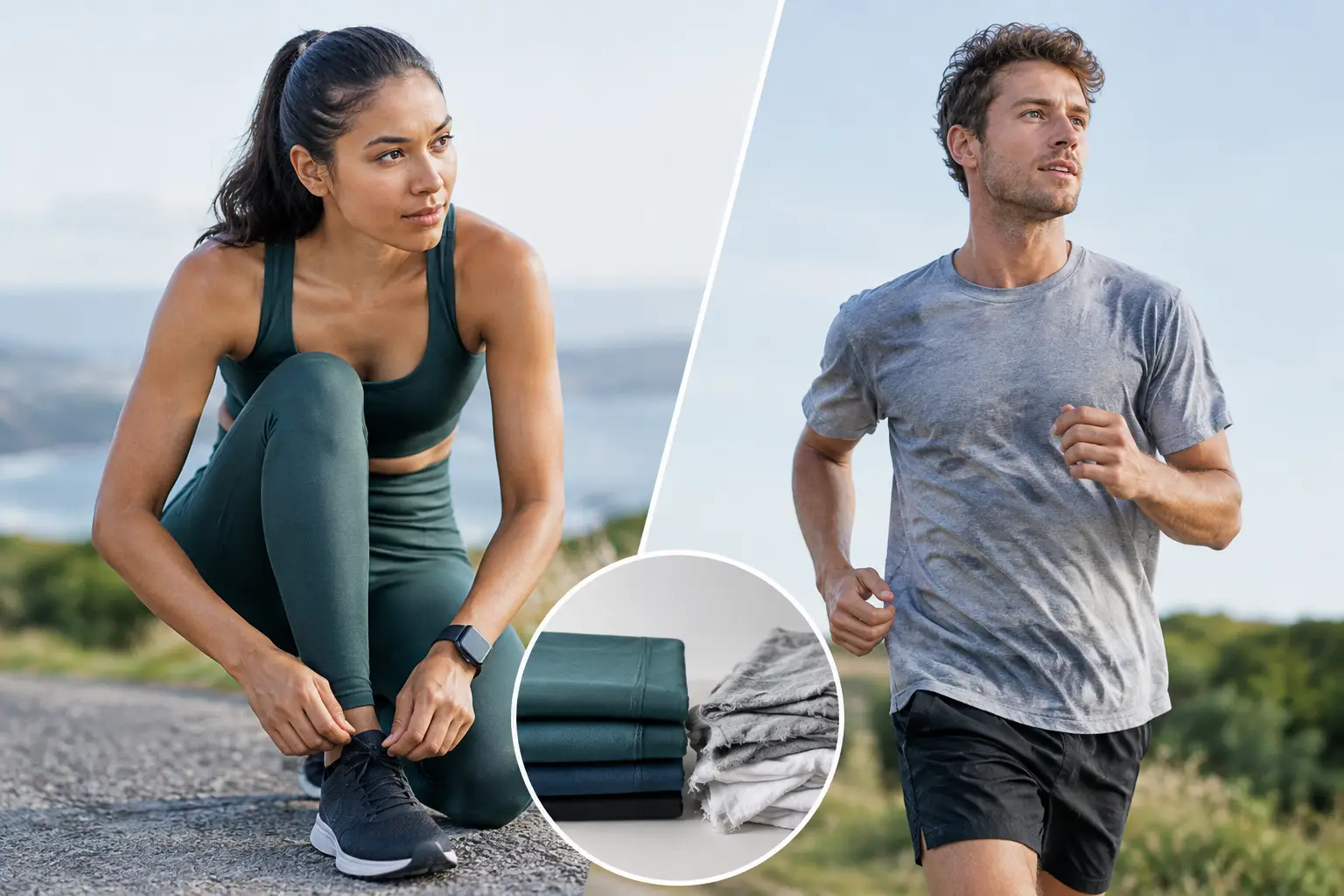
A waistband that rolls halfway through a 10K. A reflective print that fades after a few washes. A top that traps sweat, then loses its shape before the season changes. These are not minor annoyances. Durable versus disposable activewear is a choice that affects how confidently you run, what you spend over time and how much unnecessary clothing ends up as waste.
For runners, kit has a job to do. It must move when you move, manage sweat when the pace rises and stay dependable through dark mornings, wet footpaths and repeat wash cycles. Cheap gear can look like a bargain at checkout, but it is no bargain if it needs replacing before it has earned its place in your running drawer.
Durable versus disposable activewear starts on the run
Disposable activewear is made for the quick sale. It often follows fast-fashion cycles, with low prices, loud newness and little evidence that it will perform after regular use. The fabric may feel fine on the hanger, yet stretch thin, pill, sag or hold odour after a handful of runs.
Durable activewear takes a different view. It is designed to be worn repeatedly, washed responsibly and relied upon when training gets real. That does not mean every long-lasting item has to feel heavy, plain or expensive. It means the materials, construction and purpose have been considered beyond the first outing.
The difference matters because running exposes weak design quickly. Repeated friction tests seams. Sweat tests fabric. A rainy evening tests visibility and weather resistance. If a piece of kit cannot cope with normal training, it is not truly serving the runner who bought it.
There is also a financial reality. A £15 running top that lasts ten runs costs more per wear than a £35 top that remains comfortable and functional for a year of regular training. Price is part of value, but it is not the whole calculation. The better question is: will this still help me get out the door months from now?
What durable activewear actually looks like
Durability is not a single label or a marketing claim. It is a combination of sensible material choices, useful design and quality control. You do not need a laboratory to spot the signs, but you do need to look beyond the colour and the discount sticker.
Fabric that recovers, breathes and keeps its job
Running fabrics need to balance competing demands. They should be light enough to feel comfortable, durable enough to resist abrasion and structured enough to retain their shape. In leggings and fitted layers, good recovery matters. If the fabric stays baggy at the knees or waistband after a few wears, the garment will soon become frustrating.
Breathability matters too. A top that shifts moisture away from the skin can make an easy run feel easier and reduce the clammy chill that follows a hard effort. But lightweight does not automatically mean flimsy. Well-chosen technical fabrics can be both light and resilient when they are made and finished properly.
Sustainability requires honesty here. Synthetic performance fibres can offer genuine benefits for runners, including durability and fast drying. The goal is not to pretend every fabric has zero impact. The goal is to choose gear that stays useful for longer, uses materials thoughtfully and does not turn a few workouts into another throwaway purchase.
Construction that respects movement
Look at the places where your body and your clothing work hardest: inner thighs, underarms, waistbands, shoulders and the point where a pack or running belt sits. Flat or carefully placed seams reduce rubbing. Secure stitching helps garments hold up under stretch. A waistband with enough structure stays put without digging in.
Small details tell a bigger story. Are pockets positioned to stop a phone bouncing? Does a zip feel secure? Is reflective detailing integrated for regular low-light use rather than added as a flimsy afterthought? Functional design is durability in practice because useful gear gets worn, while irritating gear gets abandoned.
Accessories deserve the same scrutiny. A rechargeable light should give reliable visibility, not leave you guessing whether it will fail on an unlit route. Elastic laces should hold their tension. Anti-chafe balm should make a genuine difference on longer runs. The best running essentials remove problems without creating fresh clutter.
A design you will want to wear again
Durability is also behavioural. A perfectly constructed jacket is not sustainable if it remains unworn because the fit is wrong or it only suits one very specific occasion. Cross-functional pieces work harder: a breathable layer for runs, walks and the school drop-off; reflective gear for winter training and evening errands; comfortable shorts that earn their space all summer.
This is where a smaller wardrobe can be a stronger one. You do not need a new outfit for every race, gym session or social post. You need dependable pieces that feel good, perform well and fit into your actual routine.
The hidden cost of disposable kit
Fast fashion encourages a habit of replacing rather than repairing, washing more aggressively than necessary and treating low-cost clothing as temporary. The environmental cost includes the resources used to make, package and transport each replacement, as well as the challenge of dealing with worn-out blended fabrics at end of life.
For runners, there is a personal cost as well. Poorly made kit can lead to chafing, distraction and a reluctance to run in bad weather or darkness. It can make a beginner feel as though running is uncomfortable when the real problem is an unreliable layer or badly designed waistband.
Disposable gear also makes it harder to know what works for you. When you constantly swap out failed tops, lights or socks, you never build a dependable system. A reliable rotation lets you focus on pacing, recovery and enjoying the miles rather than wondering what will rub, slip or stop working next.
Buy less, but buy smarter
Buying durable activewear does not mean buying the most expensive option available. Premium pricing is not proof of ethical production or longevity. Equally, a lower price is not automatically a warning sign. What matters is whether the product is clearly designed for repeat use and whether the brand gives you a reason to trust its standards.
Start with the problem you are trying to solve. If winter darkness is limiting your runs, prioritise dependable visibility gear before another short-sleeve top. If inner-thigh chafing is cutting runs short, focus on fit, seam placement and a practical anti-chafe solution. If your laces come loose during every session, a simple durable alternative can improve every run that follows.
Then think about frequency. A garment you will wear two or three times a week deserves more consideration than an item for a single event. Choose colours and fits that work with what you already own. Check care guidance before buying. And be wary of claims that sound impressive but do not explain how the product will stay useful.
It depends on your training, of course. A trail runner needs different protection from a road runner. Someone training before sunrise needs visibility that a lunchtime runner may not. The point is not to own identical gear. It is to build a kit collection with a clear purpose and a long working life.
Make good activewear last longer
Even well-made running gear needs sensible care. Wash it soon after sweaty sessions when possible, but avoid blasting every item with high heat. Turn garments inside out to reduce surface friction, use the recommended detergent amount and skip fabric softener when it can interfere with moisture-wicking finishes.
Air drying is usually kinder to elastic fibres, prints and reflective details than a hot tumble dryer. Give lights and rechargeable accessories a quick check before heading out, rather than discovering a flat battery at the start of a dark run. Store gear dry, especially after a wet session, so odour and mildew do not shorten its useful life.
Repair is worth considering when the rest of the item is sound. A loose seam, damaged drawcord or worn lace does not always mean the whole product has failed. Extending the life of a piece you genuinely use is often the most practical sustainable choice you can make.
Replace gear for the right reasons
Long-lasting does not mean holding on to something once it is no longer safe or fit for purpose. Replace a headlight that has become unreliable, reflective equipment that no longer offers clear visibility, or clothing that has lost the support and coverage you need. Worn kit can affect comfort and confidence, particularly on longer runs or darker routes.
The key is replacing with intention, not replacing for novelty. Before buying, ask whether the new item solves a real problem, fills a genuine gap or improves a piece of kit that has reached the end of its useful life. That one pause can prevent plenty of wasteful purchases.
From Newry, 4R believes runners should never have to choose between practical performance, fair value and respect for the planet. Your kit should back your goals, not become another disposable habit. Choose the pieces that keep showing up for your next run, then give them the care to keep going.