

Blog
Can No Tie Laces Slip? Get a Secure Running Fit

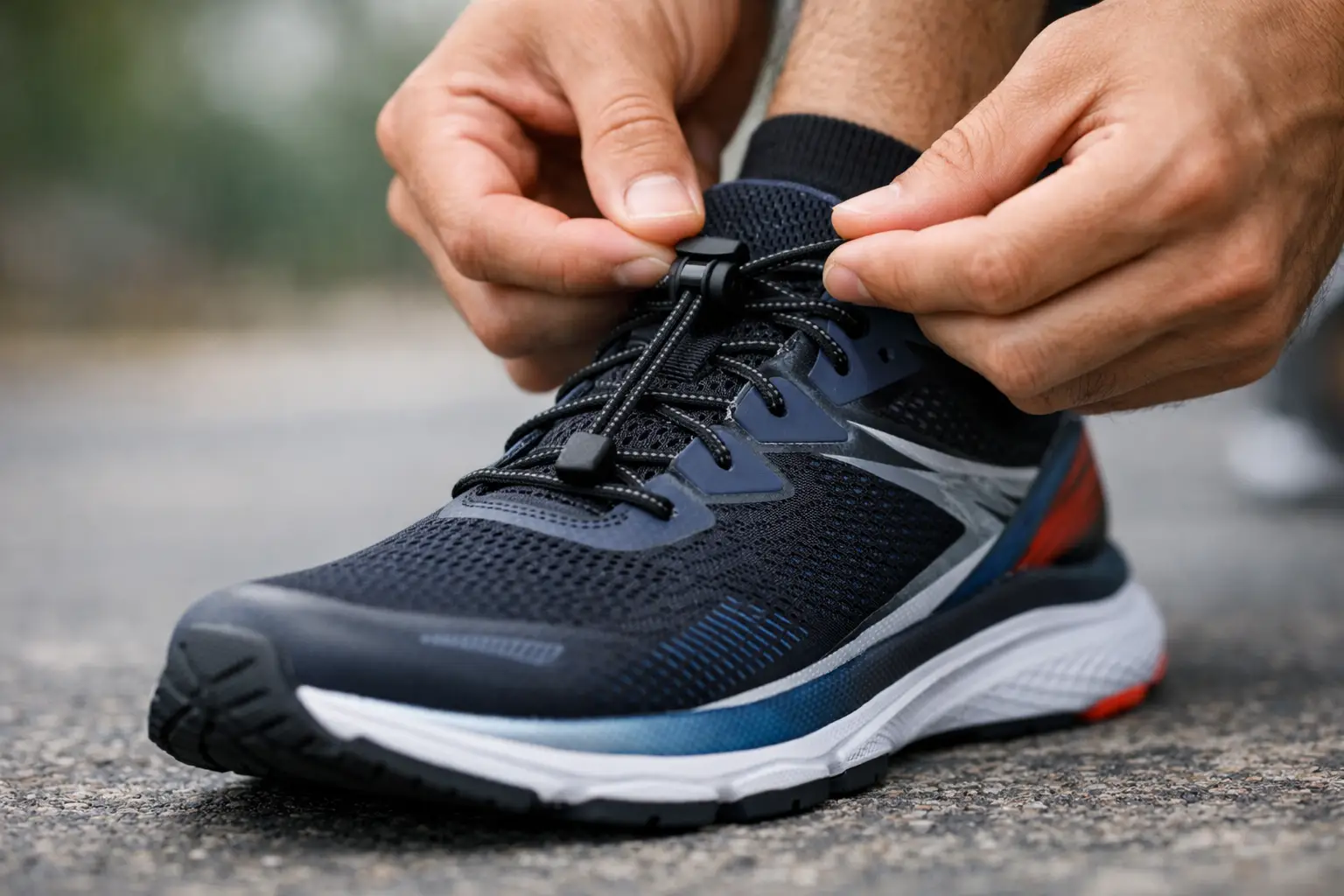
A lace coming loose at the far end of a run is more than an annoyance. It can change how your foot sits in the shoe, create rubbing, and break your rhythm just when you want to keep moving. So, can no tie laces slip? Yes, they can – but a properly fitted pair should stay secure for everyday running, walking, gym sessions and busy life on the move.
No-tie elastic laces are not magic. They replace the repeated tying and retying of conventional laces with controlled stretch and a locking mechanism. The result should be a consistent fit that is quick to put on, comfortable across the top of the foot, and dependable mile after mile. If they are slipping, the issue is usually the setup rather than the idea itself.
Can no tie laces slip during a run?
They can, particularly when the laces have been fitted too loosely, cut too long, or secured with a lock that has not been fully closed. Elastic laces can also gradually lose tension after a long period of hard use, just as any performance accessory will eventually wear.
There is an important distinction between normal stretch and actual slippage. A good elastic lace system gives slightly as your foot expands and flexes during a run. That is useful. It helps avoid the numb toes and painful pressure points that come from pulling ordinary laces too tight. Slippage is different: your heel starts lifting, your foot slides forward on descents, or the lace lock shifts and leaves the shoe feeling noticeably looser.
For most runners, no-tie laces are highly reliable once adjusted correctly. They are especially useful for easy runs, commuting, parkruns, travel, recovery walks and anyone who wants to get out of the door without a fiddly knot. But fit still matters. A shoe that moves around on your foot will not become secure simply because its laces are elastic.
Why elastic laces start to move
The most common cause is overestimating how much room the foot needs. Many people set no-tie laces to feel relaxed while standing indoors, then discover that the shoe is too roomy once they start running. Your foot needs space, but not enough to slide.
A lock that is not pressed or screwed into place properly is another frequent culprit. Before trimming the lace ends, test the mechanism several times. Pull gently on the laces, walk around, then jog a few strides. If the lock moves under light pressure, refit it before relying on it outdoors.
Lace routing matters too. If the laces skip eyelets, sit twisted, or fail to hold the middle of the foot, the pressure is concentrated in the wrong places. You may feel the shoe tighten at the toes while remaining loose at the heel. That can lead to blisters, especially on wet days or longer runs.
Finally, check the shoe itself. A stretched heel collar, worn-out midsole, incorrect size or upper that no longer holds its shape can all cause movement. No-tie laces can improve a good shoe’s fit. They cannot rescue a pair that has reached the end of its useful running life.
How to fit no-tie laces so they stay put
Fit them in the same conditions in which you plan to run. Put on your usual running socks and stand with your weight evenly through both feet. Your feet often swell slightly during exercise, so do not create a painfully tight fit indoors, but do not leave excess slack either.
Thread the laces through every eyelet in the same pattern as the original laces. Keep them flat and make sure the tension feels even from the toes to the ankle. The goal is a secure, held feeling across the midfoot, with enough give to flex naturally.
Next, tighten the lace lock gradually. Take a few minutes to walk, lift your knees, squat and jog on the spot. Your heel should stay settled in the heel cup. Your toes should not hit the front of the shoe, and you should not feel a sharp band of pressure across the instep.
Only cut the excess length once you are confident. Leave a little extra at first. It is easy to shorten laces later; it is frustrating and wasteful to discover they have been cut too short after one test run. Secure the ends as instructed by the lace system so they cannot flap, catch, or work their way back through the lock.
Test before race day
Do not make any major footwear change on the morning of a race, long run or trail event. Wear your no-tie laces for a short, familiar route first. Pay attention to the shoe after ten minutes, not just when you leave the house.
If your heel begins to lift, tighten the upper section slightly. If your forefoot feels cramped or your toes tingle, ease the tension a fraction. Small changes make a real difference, and there is no prize for forcing one identical fit for every type of run.
Adjust the fit for your running style
The best tension depends on where and how you run. An easy 5K on flat pavements allows for a more relaxed setting than a hilly trail route with long descents. On uneven ground, your shoe needs more security around the midfoot and heel because every camber and change of direction asks more of the upper.
Runners with high insteps may need to leave extra give across the middle eyelets while keeping the top section secure. Those with narrow heels often benefit from firmer tension nearer the ankle. If your shoes have an extra eyelet at the top, use it when appropriate to create a more locked-in heel fit before attaching the no-tie system.
There are trade-offs. Extremely tight elastic laces may prevent movement, but they can restrict circulation and make a comfortable shoe feel harsh. Very loose laces may feel pleasant at the start, but allow friction to build over distance. The right setting is firm, flexible and almost forgettable.
When no-tie laces may not be the best choice
No-tie laces suit a wide range of runners, but they are not compulsory for everyone. If you regularly need radically different tension settings between short speed sessions, technical mountain routes and long road runs, traditional laces offer more on-the-spot adjustment. Some runners simply prefer the precise, segmented control of a tied knot.
They may also be less suitable if a particular shoe already feels unstable. Solve sizing and shoe choice first. Similarly, if you have persistent foot pain, numbness, repeat blisters or a history of injury, do not keep tightening laces in the hope of fixing it. Review your footwear and seek appropriate professional advice where needed.
That said, convenience has genuine performance value. Fewer pre-run fusses mean fewer excuses to skip a session. For runners managing mobility challenges, parents getting out before the school run, or anyone tired of stopping to retie wet laces, a dependable elastic system can make movement easier.
Know when to replace them
Inspect no-tie laces as you would any other piece of running gear. Replace them if the elastic has become visibly frayed, feels permanently slack, cracks, or no longer returns to its original length. Check the lock for damage and make sure the end clips remain secure.
Replacing one small, worn component is better than tolerating an unreliable fit or throwing away perfectly usable shoes. That practical mindset matters. Running gear should earn its place in your kit through repeat use, durability and function – not because it is disposable or dressed up as the latest trend.
At 4R, we believe functional gear should help you run more often while asking less of the planet. A well-fitted pair of no-tie laces can keep an older, still-supportive pair of trainers in regular rotation and remove one small point of friction from your day.
Give your laces one proper fitting session, test them on a short run, and make small adjustments with purpose. Once they hold your foot securely without squeezing it, you can stop thinking about them and put your energy where it belongs: the next mile.