

Blog
Can Anti Chafe Balm Stain Running Clothes?

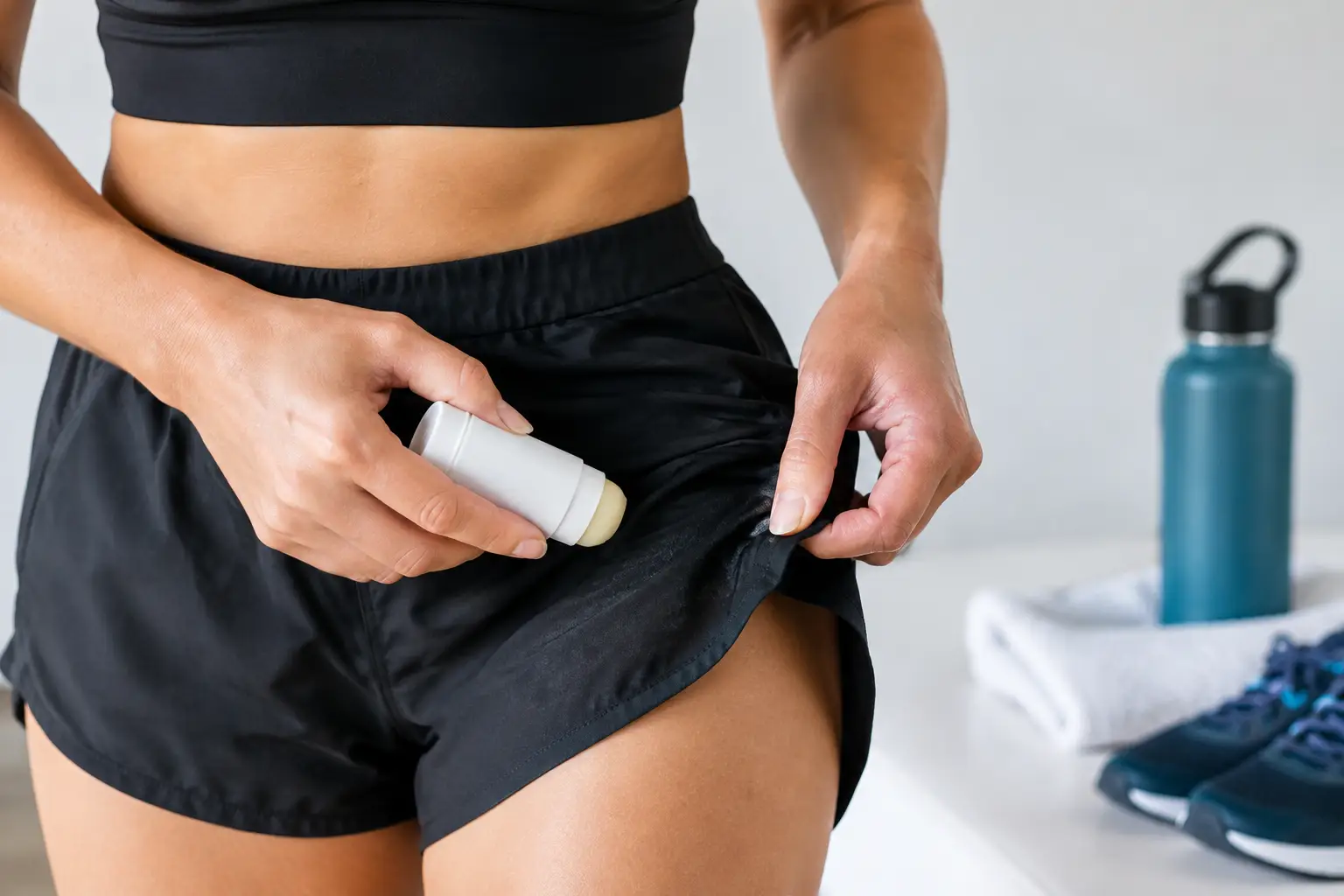
A great run can be derailed by rubbing in minutes, so anti-chafe balm earns its place in any runner’s kit bag. But can anti chafe balm stain running clothes? It can leave marks, particularly on light-coloured fabrics or when too much is applied. The good news is that a balm mark is usually manageable, and a few simple habits can protect both your skin and the running kit you want to keep in rotation for years.
At 4R, we believe performance gear should last. That means choosing products that solve real problems, then using them properly rather than treating kit as disposable after a few hard sessions.
Can anti chafe balm stain running clothes?
Yes. Most anti-chafe balms are made with oils, waxes, butters or petroleum-based ingredients that create a protective barrier between your skin and fabric. That barrier is what stops friction. It can also transfer to tights, shorts, running tops or sports bras and leave a greasy-looking patch.
A visible mark does not always mean the garment is permanently stained. Often, it is a residue sitting in the fibres rather than a dye or chemical reaction. Fresh balm is far easier to remove than balm that has been through a hot wash or tumble dryer.
The likelihood of staining depends on the formula, how generously you apply it, the colour of your clothing and the fabric itself. Pale technical tops can show an oil patch quickly. Dark shorts may hide it, but still hold residue if they are not washed properly. Delicate merino blends and highly absorbent natural fibres need more care than sturdier synthetic running fabrics.
Why balm marks happen
Anti-chafe products are designed to stay put while you sweat, stride and move. A balm that vanished straight away would not offer much protection at kilometre 12. The trade-off is that long-lasting formulas can be transferred to your clothes where skin and fabric meet.
Common areas include the inner thighs, underarms, bra lines, waistbands, nipples, toes and the edge of a hydration vest. Heat makes a difference too. On a warm run, the balm softens against the skin and can spread further than expected.
Applying balm after you are already dressed is another frequent cause. It is easy to brush your fingers over a top, tights or waistband without noticing. This does not mean you need to choose between comfort and clean kit. It simply calls for a more deliberate routine.
The amount matters more than you think
More balm is not always better. Apply a thin, even layer directly to clean, dry skin. You want enough coverage to create slip, not a thick coating that sits on the surface and transfers at the first sign of sweat.
If you are testing a new balm before a race, use it on an ordinary training run first. Every runner’s skin, stride, climate and clothing combination is different. What works brilliantly on a cool 5K may need a lighter application for a humid long run.
How to prevent anti-chafe balm from marking kit
The simplest habit is to apply balm before getting dressed. Give it a moment to settle, then wash your hands with soap and water before touching your running clothes. This small pause prevents most accidental fingerprints on waistbands and tops.
Choose close-fitting, moisture-wicking clothing for areas prone to rubbing. Loose seams and fabric that bunches repeatedly create friction, which encourages people to apply more balm than they need. Well-designed running kit and a sensible amount of balm work together.
It is also worth being realistic about garment colour. If you regularly use balm on your thighs, a pair of black or dark running shorts will be more forgiving than pale fabric. That is not an excuse to replace perfectly good kit. It is just a practical consideration when adding your next durable piece to the running drawer.
Keep the balm stick or tin in a small pouch rather than loose beside clothes, keys and electronics. A softened balm in a hot car, gym bag or suitcase can transfer onto anything it touches. Store it somewhere cool and close the lid firmly after use.
How to remove anti-chafe balm stains
Act quickly where possible. If you spot a fresh mark, gently blot away any excess with a clean cloth or paper towel. Do not rub hard, as that can push the oily residue deeper into the fibres and spread the patch.
Next, apply a small amount of washing-up liquid or liquid laundry detergent directly to the affected area. These products are designed to break down grease. Work it in gently with your fingertips, then leave it for around 10 to 15 minutes before washing.
Wash the garment according to its care label, ideally on a cool or lukewarm cycle with a sports detergent if you use one. Technical running fabrics benefit from gentler treatment. High heat can set oily marks and may damage stretch fibres, reflective details or moisture-wicking finishes.
Before drying, inspect the affected area in good light. If the mark remains, repeat the pre-treatment and wash it again. Do not put the item in a tumble dryer until the residue has gone. Dryer heat is the step most likely to turn a temporary patch into a stubborn stain.
For white or very pale garments, a fabric-safe stain treatment may help, but avoid reaching for bleach without checking the care label. Bleach can weaken performance fabrics, affect colour and shorten the useful life of a garment. Keeping clothing in use is better for your wallet and better than feeding the waste cycle created by throwaway sportswear.
Avoid fabric softener on running gear
Fabric softener is not a good match for most technical running clothing. It can coat fibres, reduce their ability to move moisture and sometimes make greasy residues harder to shift. A straightforward wash with the right detergent is usually all your kit needs.
If you have accidentally washed balm-covered clothes with other items, do not panic. Check the load for greasy spots before drying. Rewash any affected pieces with detergent rather than assuming the marks are permanent.
What about shoes, socks and reflective gear?
Balm can transfer to socks and the inside of shoes, especially when applied around the toes or heel. Treat socks in the same way as clothing: pre-treat, wash cool and air dry if possible. For shoes, wipe away excess balm with a damp cloth and a tiny amount of mild soap, taking care not to soak the upper or insoles.
Keep balm away from reflective straps, LED chest lights, rechargeable headlights and their charging points. These are functional pieces of safety equipment, not surfaces to test cleaning products on. If balm gets onto a strap or light casing, wipe it off promptly with a soft, slightly damp cloth and follow the product care guidance.
The sensible runner’s approach
Anti-chafe balm is there to keep you moving comfortably, whether you are building towards your first 10K, clocking up Sunday miles or squeezing in a run before work. A small risk of residue should not put you off using a product that prevents painful rubbing and skin damage.
Apply lightly, let it settle, wash your hands, and treat any transfers before heat gets involved. Your running clothes are made to support thousands of steps, not one season of use. Look after them, use what you own well, and save your energy for the next mile.