
Blog
Running Accessories for Beginners: Your Guide to What You Actually Need

So, you’ve got the shoes. You’re ready to hit the pavements of Dublin or the trails of Wicklow. But a quick search for running accessories for beginners can leave you scrolling through a dizzying list of gadgets and gear. It’s easy to feel overwhelmed and worry about wasting your hard-earned euros on things you might never use. You’re not alone in wondering what’s a necessity and what’s just a gimmick.
This guide is here to cut through that noise. Forget the complicated tech and expensive fads. We’re focusing on the practical, affordable essentials that truly improve your safety and comfort. We’ll show you exactly what you need to prevent chafing, stay visible on those grey Irish mornings, and carry your keys without them jangling. Think of this as your straightforward checklist to get started confidently, ensuring every euro you spend helps you build an enjoyable and lasting running habit.
Key Takeaways
- Focus on building a consistent habit before investing in lots of gear; a few key items are all you need to start.
- Prioritise accessories that solve the biggest beginner problems: safety in low light and comfort-killers like chafing.
- Learn to distinguish between essential running accessories for beginners and ‘quality of life’ upgrades to buy gear as your commitment grows.
- Discover a clear path for gearing up, from your first run to tackling specific goals like a 5k or 10k.
First, Let’s Talk About What You *Don’t* Need
When you first decide to start running, one question quickly follows: “What do I actually need to buy?” A quick search can leave you feeling overwhelmed, with an endless list of gadgets and gear. Let’s clear that up right now. The most important thing is building a consistent, enjoyable habit, not owning a pro-level kit on day one. Focusing on a few key running accessories for beginners will make a huge difference to your comfort, but you don’t need to buy them all at once.
Before we dive into our recommended gear, it’s crucial to debunk a common myth. You do not need a €500 GPS watch or the most advanced performance running apparel to get out the door. That cotton t-shirt and old pair of shorts are perfectly fine for your first few runs around the block. The initial focus should always be on comfort and consistency, not cost or looking the part.
Shoes Are Priority #1 (This Guide is Priority #2)
The single most important investment you will make is in a proper pair of running shoes. This isn’t a sales pitch; it’s the foundation of injury prevention. The right shoes support your specific foot type and running style, helping to prevent common pains in your shins, knees, and hips. We strongly recommend visiting a specialist running store for a gait analysis. This guide will cover all the other essentials that come after you’ve found that perfect pair.
The ‘Start Simple, Add as You Go’ Philosophy
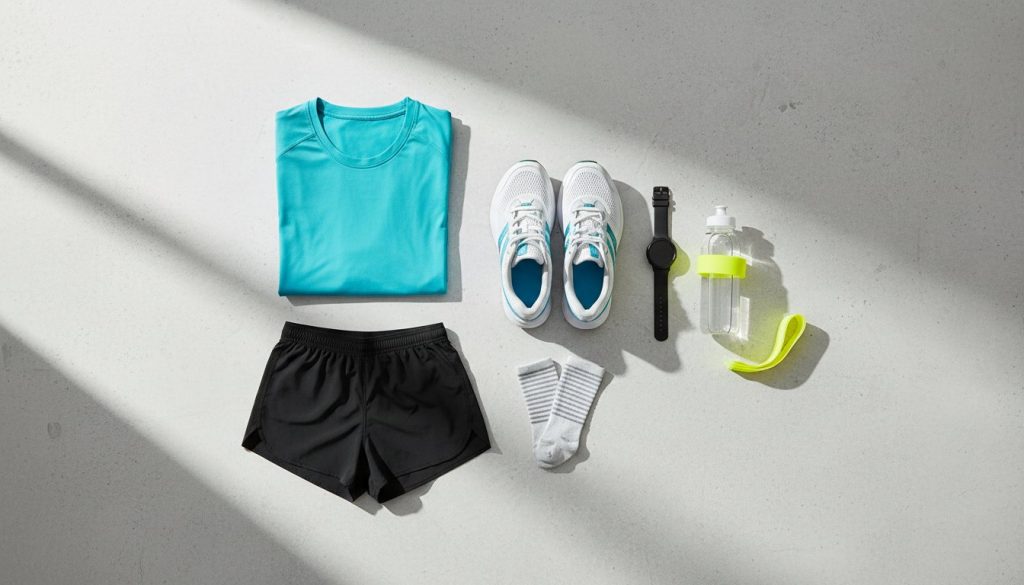
Our approach is practical and honest: start with the basics and add gear only as you discover a real need for it. This saves you money and ensures every item you own serves a purpose. We break down running accessories for beginners into three simple categories, which we’ll explore in the next sections.
- The Essentials: Non-negotiable items that directly impact your comfort and safety from day one.
- The Convenience Crew: Smart additions that solve common annoyances, like carrying keys or your phone.
- The Performance Boosters: Tools to help you track progress and push your limits once you’re hooked.
Get a few weeks of running under your belt first. You’ll quickly learn what irritates you, what you’re missing, and what would genuinely make your run better. That’s the perfect time to start building your kit.
The Essentials: Non-Negotiable Accessories for Safety and Comfort
Once you have your shoes, the next step is a small starter kit of non-negotiable items. These aren’t fancy gadgets; they are the core running accessories for beginners that solve the most common problems that can stop you in your tracks: discomfort and safety concerns. Getting these basics right from day one is the key to building a consistent routine that you actually enjoy.
See and Be Seen: Essential Safety Gear
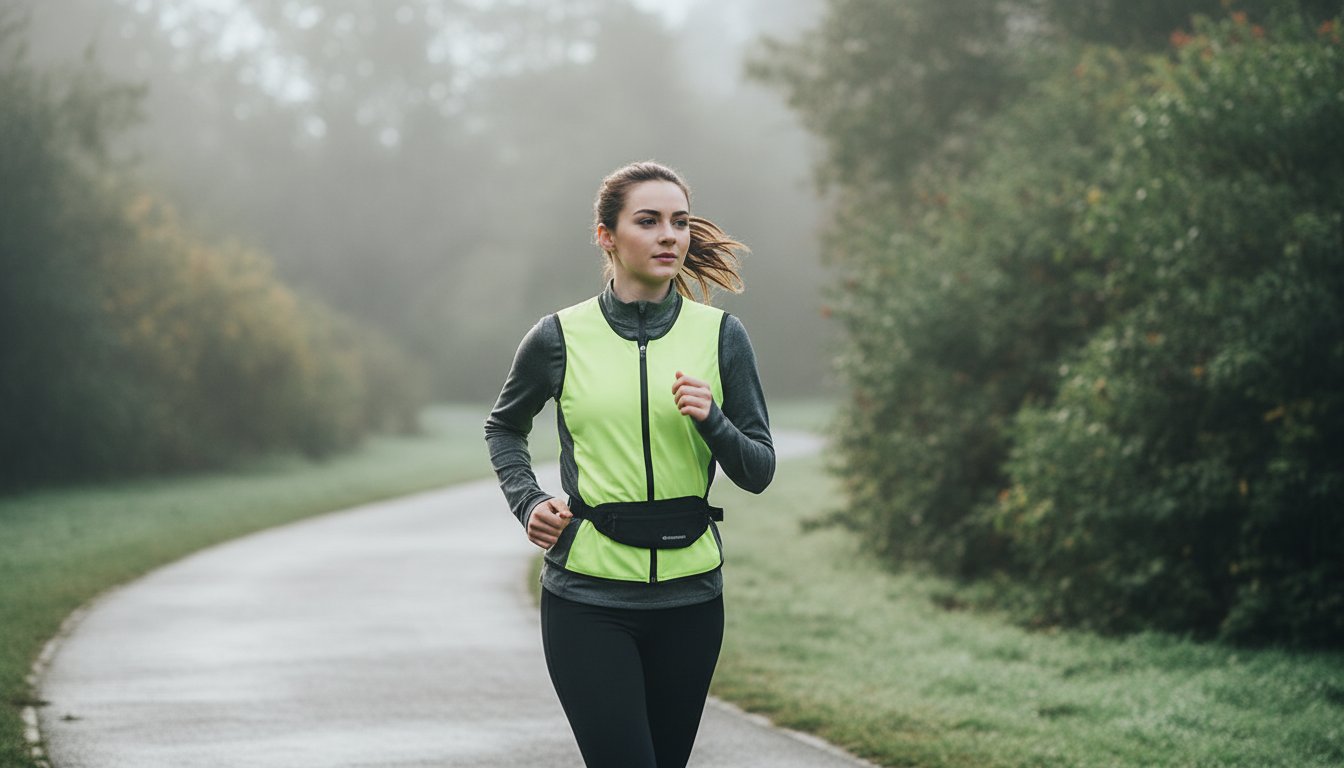
In Ireland, with our famously unpredictable weather and short winter days, visibility isn’t optional-it’s essential. Running in low light, whether at dawn, dusk, or on a grey, overcast afternoon, means you need to be seen by traffic. A simple high-visibility vest or reflective straps are an affordable, effective first step. For darker runs, a rechargeable chest light or head torch illuminates your path and makes you unmissable. Explore our affordable high-visibility gear.
The Secret Weapon Against Blisters: Technical Running Socks
Here’s a rule every new runner should learn: cotton is rotten. Standard cotton socks soak up sweat, creating the perfect environment for painful blisters. Technical running socks, made from moisture-wicking synthetic or wool blends, pull sweat away from your skin to keep your feet dry and comfortable. Good socks are widely recognized as a game-changer, consistently appearing at the top of essential running gear lists for a reason. Look for features like a snug fit and seamless toes to eliminate friction points.
Solving a Painful Problem: Anti-Chafe Balm
Chafing-the painful irritation caused by skin-on-skin or fabric-on-skin friction-can stop a run in its tracks. It’s a common issue for runners of all levels, especially in areas like the inner thighs, underarms, and along bra or vest lines. Don’t let it discourage you. A quality anti-chafe balm creates an invisible, sweat-resistant barrier that allows skin to glide smoothly. Applying it before you run is a simple, preventative step that makes a huge difference. Discover how our anti-chafe stick can save your run.
The Upgrades: Accessories for Convenience and Consistency
Once you’ve found your rhythm and running has become a regular habit, it’s time to focus on the small details that make a big difference. These upgrades aren’t strictly necessary on day one, but they solve the minor annoyances that can disrupt your flow and motivation. While a good pair of shoes is the foundation, many runners find that other essential running gear can be added over time to improve comfort and convenience.
Carrying Your Phone, Keys, and Cards
Figuring out what to do with your essentials is a common beginner challenge. While shorts with pockets seem like an easy answer, they often lead to your phone and keys bouncing uncomfortably with every step. Armbands can work but may feel restrictive or cause chafing. For most runners, a slim, adjustable running belt is the most practical solution. It sits snugly against your waist or hips, keeping your items secure and bounce-free, so you can focus on your run, not your rattling keys.
A Secure Fit, Every Time: No-Tie Laces
There’s nothing more frustrating than stopping mid-run to re-tie a loose shoelace. No-tie elastic laces are a simple, affordable fix to this universal problem. They replace your standard laces, allowing you to slip your shoes on and off while maintaining a consistent, secure pressure across the top of your foot. This small change ensures your shoes feel the same on every run, eliminating interruptions and pressure points. It’s one of the easiest upgrades you can make.
Music and Podcasts: Safe Listening on the Move
Running with your favourite playlist or podcast can be a great motivator, but safety must come first. Traditional and noise-cancelling headphones block out your surroundings, which is dangerous on busy roads or shared paths. It’s vital to maintain situational awareness. Consider investing in bone-conduction or open-ear headphones. These allow you to enjoy your audio while still hearing traffic, cyclists, and other people around you, making your run both enjoyable and safe.
These simple yet effective running accessories for beginners are designed to remove friction from your routine. By solving the small problems, you make it easier to stay consistent and enjoy every kilometre. Check out the practical gear at 4R to find solutions that support your running journey.
The Next Level: Gear for Tracking Progress and Tackling Goals
You’ve built a solid routine and running is now a habit. Congratulations! As you set your sights on a first 5k, 10k, or simply running further, a few key pieces of gear can help you train smarter. This isn’t about flashy tech; it’s about practical tools to help you understand your performance, stay consistent, and reach your goals.
Tracking Your Runs: GPS Watches vs. Phone Apps
Your smartphone is a brilliant starting point, and free apps like Strava or Nike Run Club do a great job. But as you run more frequently, a dedicated GPS watch offers real, practical benefits without a huge price tag. Consider a watch if you want:
- Better Accuracy: More reliable GPS and distance tracking than most phones.
- Convenience: Check your pace, time, and distance with a quick glance at your wrist.
- Heart Rate Data: Most entry-level watches include wrist-based sensors to help you gauge your effort.
- Longer Battery Life: It saves your phone’s battery for music, podcasts, or emergencies.
You don’t need the most expensive model on the market. A simple, reliable watch is a fantastic training partner.
Staying Hydrated on Longer Runs
Once your runs regularly extend beyond 45-60 minutes, carrying water becomes important for maintaining your energy. For distances like a 5k or 10k, a simple handheld water bottle is the most practical solution. It’s lightweight, affordable, and easy to use. While waist packs and hydration vests are great for longer distances like a half-marathon, a handheld is the perfect first step to keep you feeling strong on the run.
Aiding Recovery: Foam Rollers and Massage Balls
Consistency is key to improving, and staying injury-free is a huge part of that. Foam rollers and massage balls are simple but effective tools for recovery. Using one is a form of self-massage that helps release muscle tightness in your legs, hips, and back. A few minutes of rolling after a run can reduce soreness and improve flexibility, helping you feel ready for your next session. These affordable running accessories for beginners are an investment in your consistency and enjoyment of the sport.
Gear Up and Get Going: Your Next Steps
Starting your running journey is exciting, and finding the right running accessories for beginners shouldn’t be overwhelming. Forget the pressure to buy every gadget on the market. As we’ve covered, the key is to begin with the non-negotiable essentials that guarantee your safety and comfort-think high-visibility gear for dark evenings and anti-chafe solutions for longer runs. As you build consistency and confidence, you can then thoughtfully add upgrades that match your new goals and help you tackle new challenges.
When you’re ready to take that step, we’re here to help. At 4R, we create gear designed for everyday runners in Ireland and the UK. We believe in practical, sustainable, and ethically made essentials that solve real problems without breaking the bank. Ready to find your perfect kit? Shop our ethically made, affordable running accessories and get free shipping on qualifying orders.
Remember, the best gear supports your journey-it doesn’t define it. Now, get out there and enjoy the run!
Frequently Asked Questions
What are the absolute must-have running accessories for a total beginner?
Focus on the essentials for safety and comfort first. After a good pair of shoes, your priorities should be visibility and blister prevention. A simple reflective vest or a rechargeable LED light is crucial for dark Irish mornings and evenings. A pair of proper moisture-wicking running socks is a game-changer for foot health. These core running accessories for beginners make the biggest difference without breaking the bank. Start simple and add more gear later.
How do I run safely at night or in the early morning?
Visibility is everything. The key is to see and be seen. Wear bright, reflective clothing and use a rechargeable LED chest light or head torch to illuminate your path and alert drivers. Many Irish roads are poorly lit, making you visible is non-negotiable. Always try to run facing oncoming traffic so you can see cars approaching, and let someone know your route before you head out. Your safety always comes first.
Do I really need special running socks, or can I use my gym socks?
Yes, you really do! Standard cotton gym socks absorb sweat, which creates friction and leads to painful blisters. Proper running socks are made from synthetic, moisture-wicking materials that pull sweat away from your skin, keeping your feet dry and comfortable. They often feature extra padding in high-impact zones and a seamless toe design. It’s a small, affordable investment that makes a huge difference in your overall comfort and enjoyment.
Is an expensive GPS watch worth it for a beginner runner?
For most beginners, an expensive GPS watch isn’t necessary. Your smartphone can track your distance, pace, and route using free apps like Strava or MapMyRun. A high-end watch, often costing over €200, is a fantastic tool for advanced training but can be overkill when you’re just starting out. Focus on building a consistent running habit first. You can always upgrade your gear later if you get serious about tracking detailed performance metrics.
What’s the best way to carry my phone and keys when I run?
You have a few great, practical options. A running belt is a popular choice as it sits snugly around your waist and prevents your items from bouncing. An armband is another solid, minimalist option if you only need to carry your phone. Many modern running shorts and leggings now come with dedicated zip pockets designed to hold a phone securely against your body. Find what feels most comfortable and doesn’t distract you.
How can I prevent painful skin chafing on longer runs?
Chafing is caused by friction, so the goal is to reduce it. Apply an anti-chafe balm to sensitive areas like your inner thighs, underarms, and along your bra or vest line before you run. Also, be sure to wear proper moisture-wicking running gear, as wet fabric from sweat makes chafing much worse. Choose well-fitting clothes without rough seams in high-friction spots. A little preparation goes a long way in preventing painful irritation.
When should I start thinking about carrying water on my runs?
A good rule of thumb is to carry water for any run lasting longer than 45-60 minutes, especially on warmer or humid days. For shorter runs, your body is typically well-hydrated enough if you drink water consistently throughout the day. When you do need it, you can use a handheld water bottle designed for running or a hydration vest for longer distances. The most important thing is to listen to your body-if you feel thirsty, it’s time to drink.