

Blog
Is Polyester Recyclable for Running Gear?

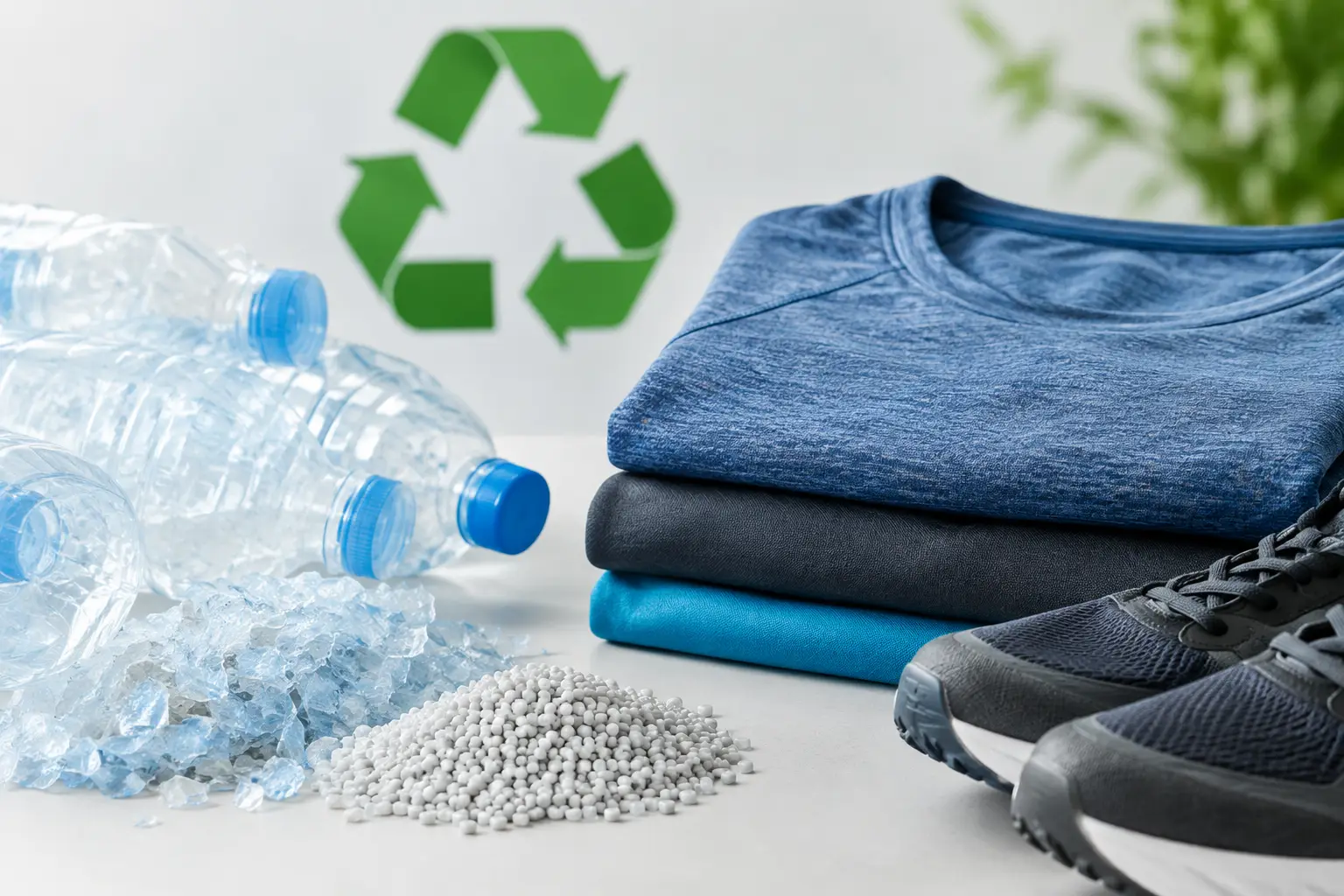
A running top can feel light, wick sweat brilliantly and survive hundreds of miles. But when it finally wears out, is polyester recyclable? The honest answer is yes, sometimes. The more useful answer is that recycling polyester is not as simple as dropping any old sports top into a household recycling bin.
That distinction matters. Sportswear is packed with polyester because it is durable, quick-drying and affordable. Yet the fashion industry has taught us to treat cheap synthetic clothing as disposable. That is a bad fit for runners and a worse fit for the planet. Gear built for movement should be made to stay in the game, not designed for a few wears and a landfill finish.
Is polyester recyclable? Yes, but it depends
Polyester is a plastic-based fibre, most commonly made from PET, the same family of plastic used in many drinks bottles. In principle, it can be recycled and turned into new material. In practice, whether a garment can be recycled depends on its construction, condition and the facilities available where you live.
A clean, single-material polyester garment is the easiest starting point. A running tee made from 100% polyester has a clearer route than a jacket combining polyester with elastane, cotton panels, a waterproof coating, zips, reflective prints, foam, glued seams and labels. Performance features are useful on the road or trail, but they make separating materials at end of life harder.
Recycling also varies widely between local authorities and specialist collection schemes. Most kerbside recycling services are designed for packaging, not clothing. Putting textiles in the wrong bin can contaminate a recycling stream, so always follow local guidance rather than assuming a polyester top belongs with plastic bottles.
What recycled polyester actually means
There are two main ways polyester can be recycled. Mechanical recycling shreds, melts and reforms plastic into a new raw material. This process is widely used for PET bottles and can produce recycled polyester yarn for clothing. It is established, useful and generally less resource-intensive than making virgin polyester from fossil fuels.
The trade-off is quality. Repeated heat and processing can shorten polymer chains, so mechanically recycled material may eventually need virgin material blended in to maintain performance. Many recycled polyester garments are currently made from bottles rather than from worn-out clothing. That is better than using fresh fossil fuel feedstock, but it does not fully close the clothing loop.
Chemical recycling breaks polyester down into its building blocks before creating new polyester. In theory, this can deliver material comparable to virgin polyester and may handle some coloured or lower-quality feedstock. It is promising, but it is not yet available at the scale needed to deal with the sheer volume of synthetic clothing produced every year. It can also demand significant energy and careful handling of chemicals.
So, recycled polyester is a positive step, not a free pass. It reduces reliance on new oil and gives existing materials more value. It does not make overproduction, throwaway buying or poor garment design acceptable.
Why running clothes are difficult to recycle
Running gear has a tough job. It needs stretch in the right places, sweat management, visibility in low light and enough strength to cope with repeated washing and friction. That often means blends and finishes.
Elastane is a common challenge. A small amount can make leggings, socks or fitted tops much more comfortable, but it makes fibre-to-fibre recycling more complicated. Water-resistant coatings, silicone grip details, heat-transfer logos and reflective elements create the same issue. None of this means functional sportswear is wrong. It means we should be honest about the end-of-life compromise and demand better design from the industry.
The fastest route to less waste is not pretending every item is endlessly recyclable. It is buying fewer pieces that work harder, wearing them longer and choosing practical kit over trend-led colour drops that are obsolete before the season changes. That is slow fashion with purpose.
How to choose better polyester running gear
Start with the job the item needs to do. If you mainly run two or three times a week, one reliable technical tee that washes well and layers easily may serve you better than a drawer full of novelty tops. Look for a fit you will genuinely wear, seams that will not rub, and fabric weight suited to your usual conditions.
When comparing garments, check the fibre label. A high recycled polyester content is worth considering, particularly when the item is made by a brand that also values durability and transparent production. But do not treat the highest percentage as the only measure of sustainability. A 100% recycled top that loses shape after a handful of washes is not a smarter choice than a durable piece you wear for years.
Where performance allows, simpler construction can help. Fewer mixed materials and unnecessary decorative details can make future recycling more achievable. For high-stretch essentials, a blend may still be the right choice. The goal is not perfection in a label. The goal is gear that earns its place in your rotation.
Before buying, ask four straightforward questions:
- Will I wear this regularly across more than one season?
- Is it made with recycled content or designed with fewer material mixes where practical?
- Can I repair, pass on or repurpose it if it is no longer right for me?
- Does the brand make durability and responsible production part of the product, rather than a marketing afterthought?
At 4R, that is the standard worth chasing: dependable running essentials that help you get out the door without feeding the wasteful fashion cycle.
Make your kit last before recycling it
The greenest running top is usually the one already in your kit bag. Sweat, sun cream and trail grime are hard on technical fabrics, but a few habits can add real life to polyester gear.
Wash only when needed, ideally on a cool cycle with similar synthetic items. Turn garments inside out to protect prints and reflective details, avoid fabric conditioner, and use a washing bag designed to capture microfibres if you have one. Fabric conditioner can coat technical fibres and reduce their ability to move moisture. Air-drying is kinder than high heat from a tumble dryer, which can damage elastane and shorten a garment’s useful life.
Treat snags, loose hems and minor seam damage early. A small repair is often all that stands between a favourite layer and the textile bin. If the fit no longer works but the garment is sound, pass it to another runner, donate it where suitable, or keep it for messy jobs and indoor training.
What to do when polyester kit reaches the end
Once an item is genuinely beyond wearing, inspect it before binning it. Specialist textile collection points, take-back schemes and charity shops may accept clean sportswear, although each programme has different rules. Some items will be resold, some reused as wiping cloths or insulation, and only a smaller proportion may be recycled back into fibre. Honest systems should make that clear.
Do not donate stained, damp or heavily damaged clothing unless the collector specifically accepts it. It can create more sorting work and reduce the value of other donations. Remove personal items from pockets, wash the garment, and check whether the collector accepts shoes, accessories and technical fabrics separately.
If no responsible local option exists, keep the item in use as long as safely possible. A faded running top may become a warm-weather base layer, a gardening shirt or a cloth for cleaning bikes. Repurposing is not a perfect circular solution, but it is better than treating useful material as instant rubbish.
Recycling matters, but buying habits matter more
Polyester has a place in running. It delivers lightweight comfort, weather resistance and durability that natural fibres cannot always match. The problem is not that polyester exists. The problem is an industry that makes far too much, asks too few questions about where it ends up, and expects shoppers to absorb the consequences.
Choose recycled polyester where it makes sense. Choose simple, durable construction where you can. Then give every piece of kit the longest, hardest-working life possible. Your next run does not need a brand-new outfit. It needs gear you trust, a route worth taking and the confidence to leave fast-fashion habits behind.