

Blog
How to Wash Technical Clothing Without Ruining It

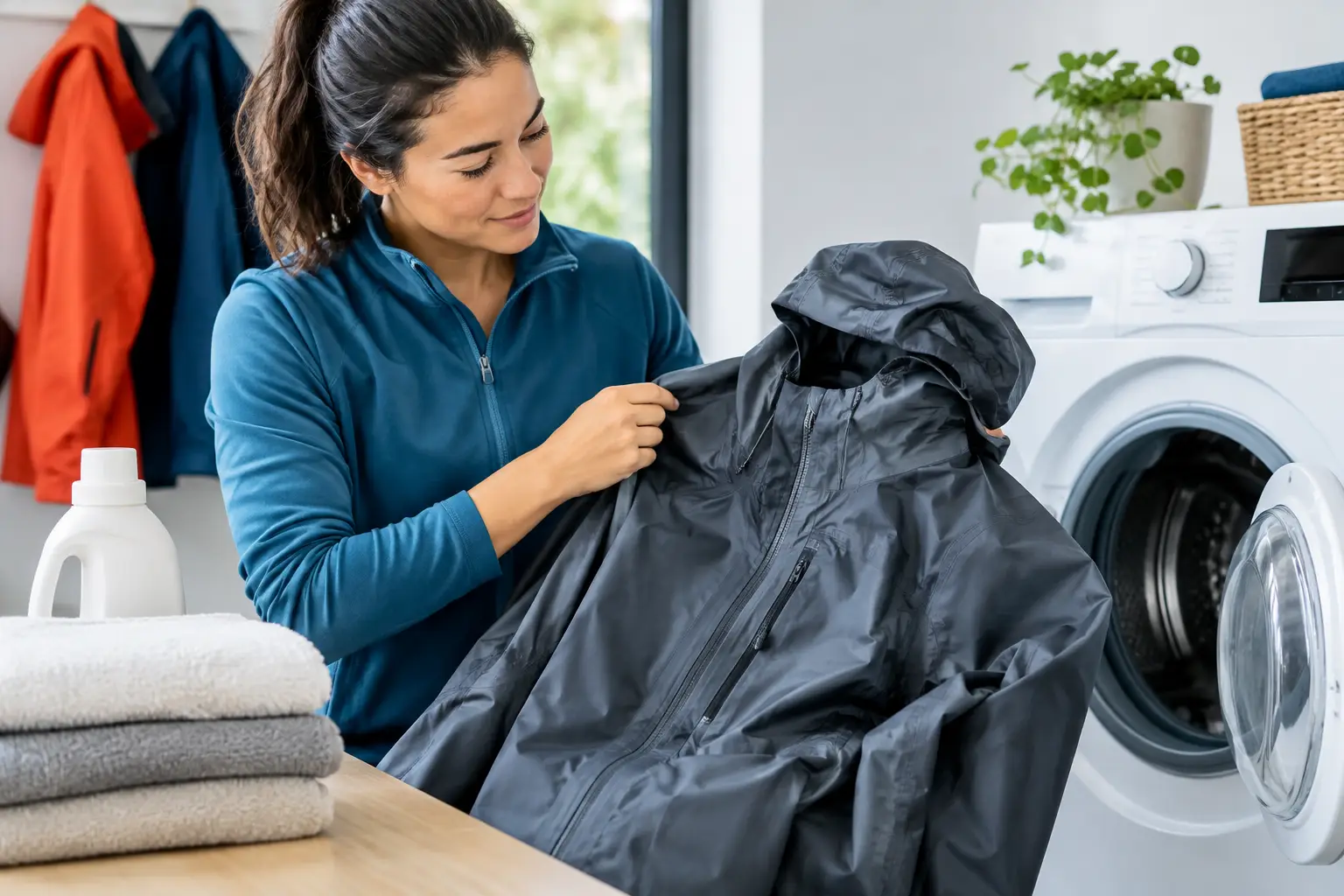
A hard session leaves its mark: salt around the collar, mud at the ankles and that familiar smell that appears long before a favourite running top looks worn out. Knowing how to wash technical clothing is not about treating your kit like it is fragile. It is about keeping the features you paid for working – sweat-wicking fabric, stretch, breathability, weather protection and reflective detail – for far longer.
That matters for your running budget and for the planet. Clothing built for a few wears before losing shape or performance is exactly the wasteful cycle we should be leaving behind. Wash well, wear hard, repair where possible, and get the full life from every piece of kit.
How to wash technical clothing after a run
Start with the care label. It is not thrilling reading, but it is the instruction that applies to that specific fabric blend, coating and trim. If the label conflicts with general advice, follow the label.
For most synthetic running layers, washing soon after use is the sensible move. Sweat contains oils, salt and bacteria. Left sitting in the fabric, they can block the tiny spaces that help moisture move away from your skin. A quick rinse is useful if you cannot wash the item straight away, especially after a wet or muddy run, but it is not a replacement for a proper wash.
Turn garments inside out before they go in the machine. This protects the outer face of the fabric from rubbing against zips and the drum, while allowing sweat and body oils to be cleaned from the inside. Fasten zips, close hook-and-loop tabs and empty every pocket. Loose fasteners can snag lightweight material or damage mesh panels.
Wash technical clothing with similar lightweight sportswear, rather than with towels, jeans or cotton sweatshirts. Heavy fabrics create friction and shed lint, both of which are unhelpful for delicate performance materials. Keep bright whites separate too, as you would with any laundry.
A cool or 30°C wash is usually the sweet spot. It is warm enough for a good clean with the right detergent, but kinder to stretch fibres, glued seams, printed logos and water-repellent finishes. Choose a gentle or synthetics cycle with a moderate spin. Your kit does not need a punishing, hot wash to come clean.
Choose detergent carefully
Use a small amount of liquid detergent, ideally one made for technical or activewear. Standard liquid detergent can work for many running tops and tights if it is used sparingly, but avoid products that leave additives behind.
Fabric conditioner is the main culprit. It can coat synthetic fibres, making it harder for fabric to wick moisture and reducing breathability. It may make clothes feel soft in the short term, yet it can undermine the reason you wear technical kit in the first place. Bleach is also out. It is harsh on fibres, dyes and reflective detailing.
Powder detergent is not automatically wrong, but it can be harder to rinse out, particularly in quick or low-temperature washes. Residue contributes to stiffness, irritation and odour. Less detergent is often better than more: excess suds do not mean a better wash, and they can remain trapped in the fabric.
If your clothing has a persistent smell, do not reach immediately for scent boosters. Run it through an extra rinse first. Odour is often caused by detergent build-up or bacteria lodged in the fabric, not a lack of perfume. For stubborn cases, use a specialist sportswear wash according to its directions, then let the garment dry fully in fresh air.
Treat mud, marks and salt without overdoing it
Let thick mud dry before brushing it off gently. Rubbing wet mud deeper into a lightweight running jacket rarely helps. For a grass stain, sunscreen mark or nutrition spill, apply a little suitable liquid detergent to the affected area and gently work it in with your fingers before washing. Avoid aggressive scrubbing, which can roughen fabric and damage prints.
Salt marks are common after long runs, even on cool days. A rinse in cool water before washing can lift much of the salt and prevent pale streaks from setting. This small habit is particularly useful for caps, running belts and lightweight layers that may not need a full wash after every outing.
Do not soak technical garments for hours unless the care label specifically permits it. Extended soaking can affect colours, elastic fibres and coatings. A targeted pre-treatment and normal wash cycle will solve most problems.
Dry technical kit the low-impact way
Air drying is the default. Hang tops and jackets on a line or drying rack, away from direct radiators and intense sunlight. Heat can fatigue elastane, affect bonded seams and shorten the life of water-repellent treatments. Drying indoors is fine if there is good airflow, although a damp garment left bunched in a gym bag is an open invitation for odour.
Avoid tumble drying unless the care label says it is safe. Some waterproof or water-resistant shells may benefit from a short, low-heat tumble after washing because heat can help reactivate a durable water-repellent finish. This is an exception, not a rule. Check the label, use low heat only and take the jacket out as soon as it is dry.
Never iron technical running clothing. If it looks creased, wear it. It will survive. High direct heat is more likely to cause permanent damage than improve anything that matters on a run.
Waterproof jackets need a different approach
A waterproof or water-resistant running jacket has more going on than a simple training tee. Dirt, body oils and detergent residue can make the outer fabric absorb water, causing the jacket to look wet and feel less breathable even when its waterproof membrane remains intact.
Wash the jacket when it is visibly dirty or when water no longer beads on the surface. Use a cleaner designed for waterproof breathable fabrics, rinse thoroughly and follow the garment instructions for drying. If water still soaks into the outer face after cleaning and drying, it may be time to restore the water-repellent finish with an appropriate treatment.
Do not assume every jacket needs reproofing after every wash. Over-treating is wasteful and unnecessary. Clean first, test it in light rain or under a tap, then reproof only when the finish has genuinely stopped doing its job.
Protect reflective details and running accessories
Reflective prints, heat-transferred logos and lightweight mesh deserve a little extra care. Turn garments inside out, avoid high heat and keep them away from rough loads. Small choices make a real difference over dozens of washes.
For removable accessories, separate the washable from the electronic. Take rechargeable lights, batteries and detachable LED units off vests or straps before cleaning. Wipe the electronic component with a lightly damp cloth only if its instructions allow it, and make sure everything is fully dry before reassembling. No washing machine can rescue a battery compartment.
Hand-wash caps, gloves and delicate running accessories where practical. Use cool water and a little mild detergent, rinse well, reshape and air dry. This helps them keep their fit without the needless wear of a machine cycle.
Wash less, but wash properly
Not every item needs washing after every easy run. A jacket worn over a clean layer in dry weather may only need airing. A base layer soaked in sweat needs washing promptly. Use judgement rather than a rigid rule.
The aim is not to create more laundry. It is to avoid letting sweat and grime shorten the life of gear that is still perfectly capable of performing. From Newry’s damp roads to a humid holiday run, dependable kit earns its place by being used again and again.
Treat your running clothing as equipment, not disposable fashion. A few calm minutes on wash day keeps it comfortable, visible and ready for the next mile – and that is a better result for your run, your wallet and the planet.